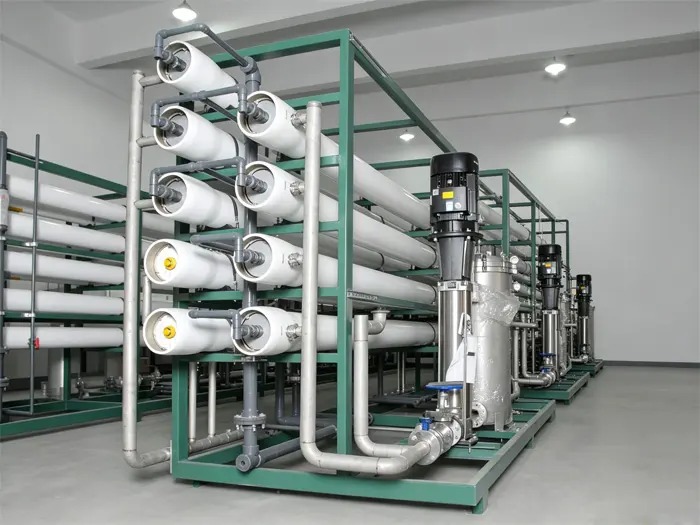
Converting seawater to drinking water requires a carefully engineered multi-stage process that begins long before reverse osmosis membranes ever encounter the raw feedwater. A seawater to drinking water plant must implement robust pretreatment to protect expensive RO equipment and ensure consistent high-quality output. Without proper pretreatment, RO membranes face scaling, fouling, biofouling, and chemical degradation that dramatically reduce system lifespan and operational efficiency.
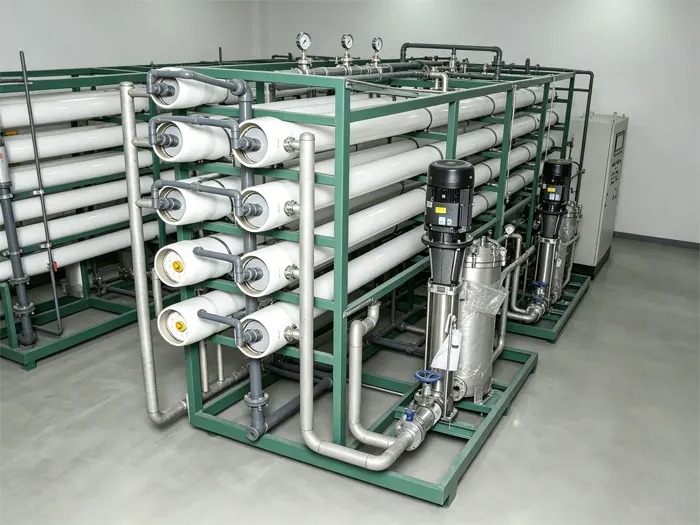
The pretreatment strategy for seawater desalination differs significantly from freshwater RO systems because seawater contains higher dissolved solids, suspended particles, biological organisms, and chemical contaminants. Each treatment stage serves a specific function: removing particulates, reducing fouling potential, controlling scale formation, and eliminating biological threats. Understanding these pretreatment requirements helps operators design systems that maximize membrane life, minimize maintenance downtime, and deliver cost-effective desalination at scale.
Physical Pretreatment: Removing Particles and Suspended Solids
Intake Screening and Coarse Filtration
The first barrier in any seawater treatment system is intake screening, which removes large debris, marine life, and organic matter from the raw seawater source. Traveling screens or bar screens with openings of 1–5 mm catch fish, seaweed, plastic, and other macroscopic contaminants before water enters the facility. This critical pretreatment step protects downstream equipment from blockages and reduces biological load. Following coarse screening, many plants employ a sand filter or multimedia cartridge filter with a nominal rating of 20–50 microns to further reduce suspended solids concentration.
Sand Filtration and Media Depth Filtration
Sand filtration serves as the workhorse of physical pretreatment in desalination facilities. A dual or multimedia filter bed containing sand, anthracite, and gravel removes suspended solids down to approximately 5–10 microns while maintaining reasonable flow rates. This pretreatment process typically reduces turbidity from 5–10 NTU (raw seawater) to less than 1 NTU, meeting the inlet requirements for RO membranes. Backwashing removes accumulated sediment and maintains filter performance, extending the operational window between filter changes. Some advanced seawater treatment plants employ cartridge filters as a polishing stage immediately before RO to achieve turbidity below 0.5 NTU, providing additional membrane protection.
Chemical Pretreatment: Controlling Scaling and Fouling
Acid Dosing for Scale Prevention
Seawater contains high concentrations of calcium and magnesium carbonates that precipitate on RO membranes, forming rock-hard scale deposits. Chemical pretreatment using hydrochloric acid or sulfuric acid lowers seawater pH from approximately 8.2 to 6.5–7.0, dissolving carbonate alkalinity and preventing calcium carbonate scale formation on the membrane surface. This desalination pretreatment technique is critical because scale deposits reduce flux, increase operating pressure, and shorten RO membrane lifespan from years to months. Careful acid dosing maintains optimal pH while avoiding membrane damage or corrosion of mild steel pipework. Real-time pH monitoring and automated dosing systems ensure consistent protection throughout operation.
Antiscalant Addition for Polysilicate Control
Beyond carbonate scale, seawater contains silica and other minerals prone to forming colloidal or crystalline deposits on membranes. Antiscalant chemicals modify the crystalline structure of potential scale minerals, preventing them from adhering to membrane surfaces while remaining in solution. Typical antiscalant dosing ranges from 2–5 ppm and must be calibrated based on specific seawater composition and RO recovery rate. This chemical pretreatment approach works synergistically with acid dosing to provide comprehensive scale prevention, allowing RO systems to operate at higher recovery percentages and lower operating pressures. Without antiscalant, polysilicate scaling can develop within weeks, necessitating expensive CIP (clean-in-place) procedures or membrane replacement.
Biological and Advanced Pretreatment: Protecting Against Fouling
Biofouling Control and Oxidant Removal
Seawater contains diverse microbial populations including bacteria, algae, and biofilm-forming organisms that colonize RO membranes if left unchecked. Biofouling causes severe flux decline, heterogeneous degradation of membrane integrity, and accelerated membrane failure. Many desalination facilities employ chlorine or sodium hypochlorite as an oxidant disinfectant to kill microorganisms in the seawater before desalination pretreatment progresses. However, residual chlorine is extremely damaging to thin-film composite RO membranes, so activated carbon filtration or sodium bisulfite dosing must follow immediately after oxidant injection to reduce free chlorine to near-zero levels. This pretreatment requirement means two sequential steps are necessary: chlorination for microbial control, then dechlorination to protect membranes. Alternatively, some advanced seawater treatment plants use ozonation or UV disinfection as non-oxidant alternatives that leave no harmful residuals.
Iron and Manganese Removal
Natural seawater and intake water sometimes contain elevated iron and manganese concentrations from coastal geological formations or subsurface mineral deposits. These metals oxidize and precipitate on RO membranes, causing irreversible fouling and flux decline. Seawater pretreatment systems addressing this challenge typically employ greensand filters or additional oxidation followed by sand filtration to remove iron and manganese hydroxide precipitates. Testing raw seawater composition guides whether this pretreatment stage is necessary; coastal facilities in volcanic or iron-rich regions almost always require it. Neglecting metal removal in susceptible locations results in rapid membrane degradation and expensive early replacement cycles.
FAQ
Why is seawater pretreatment more complex than freshwater RO?
Seawater contains approximately 35,000 ppm total dissolved solids compared to 500–1500 ppm in typical freshwater. This higher mineral concentration, combined with increased biological activity, higher turbidity variability, and corrosive salt exposure, demands additional pretreatment barriers to prevent rapid fouling, scaling, and membrane degradation. Freshwater RO systems often require only basic filtration and antiscalant, while seawater treatment systems must implement multiple chemical and biological pretreatment stages.
What is the typical pretreatment cost for a seawater desalination system?
Pretreatment infrastructure typically accounts for 20–35% of total capital cost in a seawater to drinking water plant, plus an additional 10–15% of operating costs through chemical dosing, filter media replacement, and backwash water disposal. The investment is essential because effective pretreatment reduces RO operating pressure, extends membrane lifespan from 3–5 years to 5–8 years, and minimizes unscheduled downtime. Operators that underinvest in pretreatment experience higher per-unit water production costs due to frequent membrane replacement and system cleaning events.
Can pretreatment alone eliminate the need for RO membrane cleaning?
No. Even well-designed pretreatment cannot prevent all fouling or scale formation on membranes during extended operation. Effective seawater treatment systems implement both excellent pretreatment design and regular CIP protocols using mild acids or specialized detergents to restore membrane performance. Best practice involves monthly or quarterly CIP cycles depending on seawater source quality and system recovery rate, combined with continuous pretreatment monitoring to detect early warning signs of fouling or scaling.

 EN