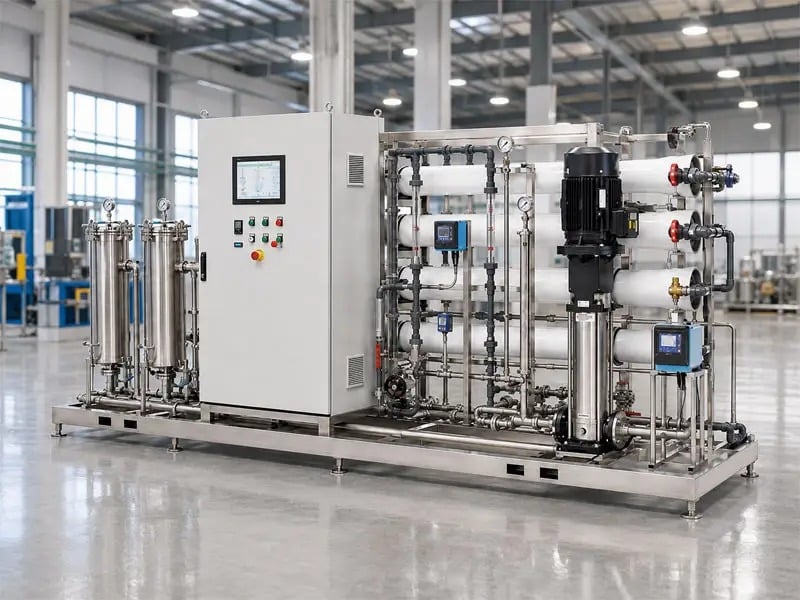
Seawater desalination systems represent one of the most critical technologies for addressing global freshwater scarcity, particularly in coastal and island regions. The design and operational efficiency of these systems depend heavily on understanding how feed water salinity influences reverse osmosis (RO) membrane performance and overall energy consumption. When engineers design seawater desalination systems, they must account for the complex relationship between incoming salinity levels, membrane pressure requirements, and system energy demands.
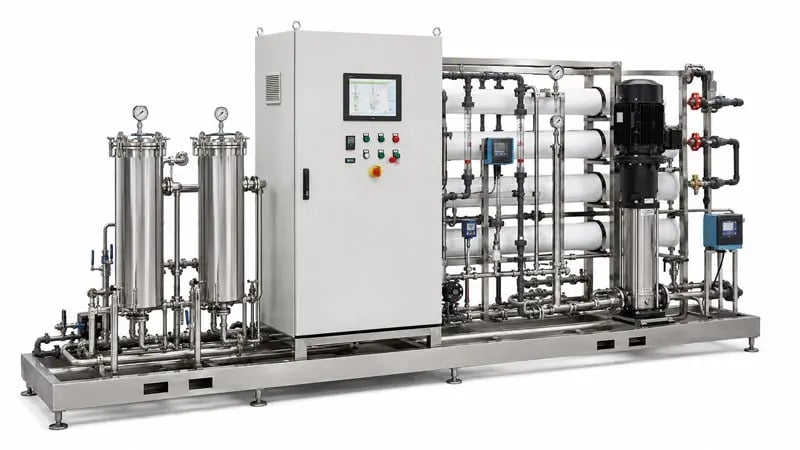
Understanding the interplay between salinity and RO technology is essential for operators seeking to minimize operational costs while maintaining consistent water quality. Higher salinity levels require greater membrane pressure, which directly translates to increased energy consumption. This relationship forms the foundation of effective seawater desalination system design, influencing membrane selection, pretreatment strategy, and overall system architecture.
Salinity's Role in RO Membrane Pressure Requirements
Understanding Osmotic Pressure and Salinity
Osmotic pressure increases proportionally with dissolved salt concentration in seawater. When salinity rises, the osmotic pressure of the feed water increases, requiring the RO system to apply greater pressure to push water molecules through the membrane while rejecting salt ions. Typical seawater contains approximately 35,000 parts per million (ppm) of dissolved solids, but variations in geography and season can shift this value significantly. For seawater desalination systems operating in different coastal environments, understanding local salinity patterns becomes critical for proper membrane specification and pressure vessel design.
Pressure Vessel Design Implications
Higher salinity demands thicker membrane housings and more robust pressure vessels to safely contain system pressure. When designing RO systems for high-salinity seawater, engineers must select pressure vessels rated for increased operational pressures, typically 55 to 70 bar for standard seawater applications. The relationship between salinity and required pressure directly affects capital expenditure, material costs, and system footprint. Seawater desalination systems in regions with unusually high salinity may require specialized high-pressure equipment, escalating both initial investment and maintenance complexity.
Energy Consumption Drivers in High-Salinity Applications
Pump Power Requirements and Energy Cost
Energy represents the largest operational cost in seawater desalination, and salinity levels directly determine pump power requirements. Higher salinity seawater demands greater hydraulic energy input, which translates directly into higher electricity consumption per cubic meter of freshwater produced. In seawater desalination systems, a 10 percent increase in feed salinity typically requires approximately 5 to 7 percent additional energy input. This relationship makes salinity forecasting and seasonal variation analysis essential components of operational budgeting and energy efficiency planning.
Recovery Rate Optimization
Recovery rate—the percentage of feed water converted to fresh permeate—becomes increasingly constrained as salinity rises. Higher salinity seawater allows lower recovery rates before RO membranes risk damage from excessive mineral scaling and osmotic stress. When operating seawater desalination systems with elevated salinity levels, reducing recovery from 50 percent to 35 percent may be necessary to maintain membrane longevity, effectively reducing energy efficiency. Operators must balance energy consumption against membrane replacement costs, creating complex operational trade-offs that require continuous monitoring and adjustment.
Pretreatment and System Architecture Adjustments
Advanced Pretreatment for High-Salinity Seawater
High-salinity seawater introduces greater fouling and scaling potential, demanding more aggressive pretreatment strategies within seawater desalination systems. Multi-stage filtration, chemical dosing for anti-scaling, and sometimes activated carbon treatment become necessary investments. These pretreatment enhancements increase capital and operating costs but extend RO membrane life and improve system reliability. When salinity exceeds typical seawater levels—such as in hypersaline brine applications—specialized pretreatment becomes indispensable for maintaining viable seawater desalination system performance.
Energy Recovery and Efficiency Enhancement
Modern seawater desalination systems increasingly incorporate energy recovery devices (ERDs) to recapture pressure energy from the concentrated brine stream. Higher salinity applications generate brine at elevated pressure, making energy recovery more effective and economically justifiable. Turbochargers, pressure exchangers, and isobaric RO systems can recover 20 to 30 percent of the energy typically consumed in high-salinity applications. For seawater desalination systems operating continuously, energy recovery technologies represent the most cost-effective path to improving overall system efficiency and reducing long-term operational expenses.
FAQ
How does seawater salinity affect RO membrane lifespan?
Higher salinity increases scaling potential and osmotic stress on RO membranes, reducing operational lifespan. Seawater desalination systems operating at elevated salinity levels require more frequent chemical cleaning and experience faster membrane degradation. Proper pretreatment, conservative recovery rates, and suitable membrane materials significantly extend membrane life in high-salinity seawater applications.
What pressure levels do seawater desalination systems typically require?
Standard seawater RO systems operate at 55 to 70 bar, with higher pressures necessary for particularly saline water sources. Salinity variations between geographic regions can require pressure adjustments of 5 to 10 bar. System designers must evaluate local salinity data and seasonal variations to specify appropriate high-pressure equipment for reliable seawater desalination system operation.
Can energy recovery devices reduce operational costs in high-salinity applications?
Yes, energy recovery devices in seawater desalination systems can capture 20 to 30 percent of applied energy from brine streams, substantially reducing operational electricity consumption. High-salinity applications generate concentrated brine at elevated pressure, making energy recovery economically viable and typically providing payback within 3 to 5 years of continuous operation.

 EN