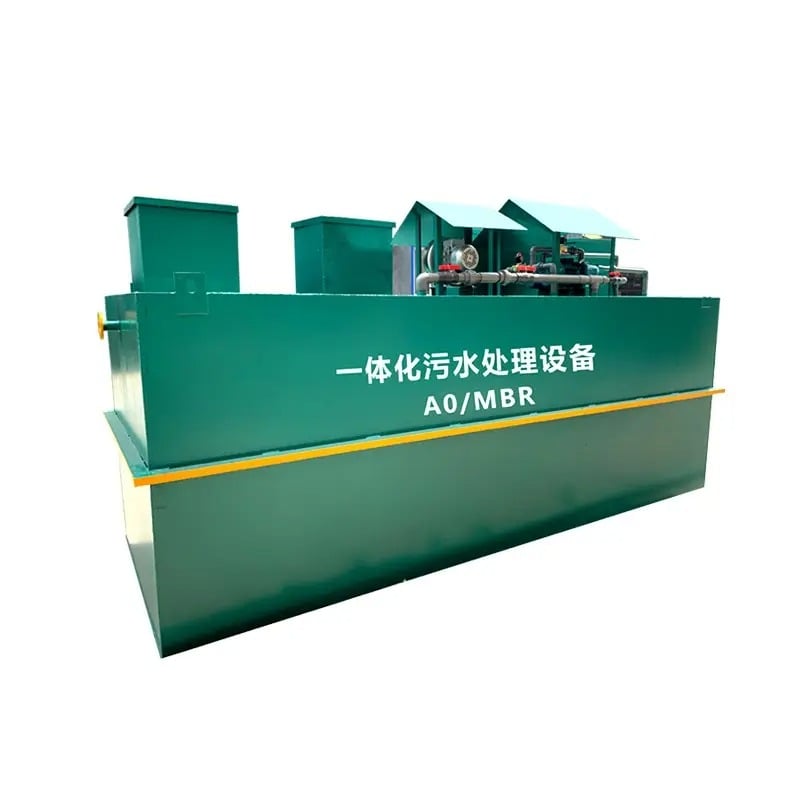
Pharmaceutical water treatment represents a critical infrastructure challenge that demands simultaneous attention to both production and recovery. Modern pharma facilities must produce ultra-pure water for manufacturing while managing the wastewater streams that result from processing, cleaning, and purification cycles. The convergence of these two processes—water production and wastewater treatment—defines operational efficiency, regulatory compliance, and long-term cost sustainability in the industry.
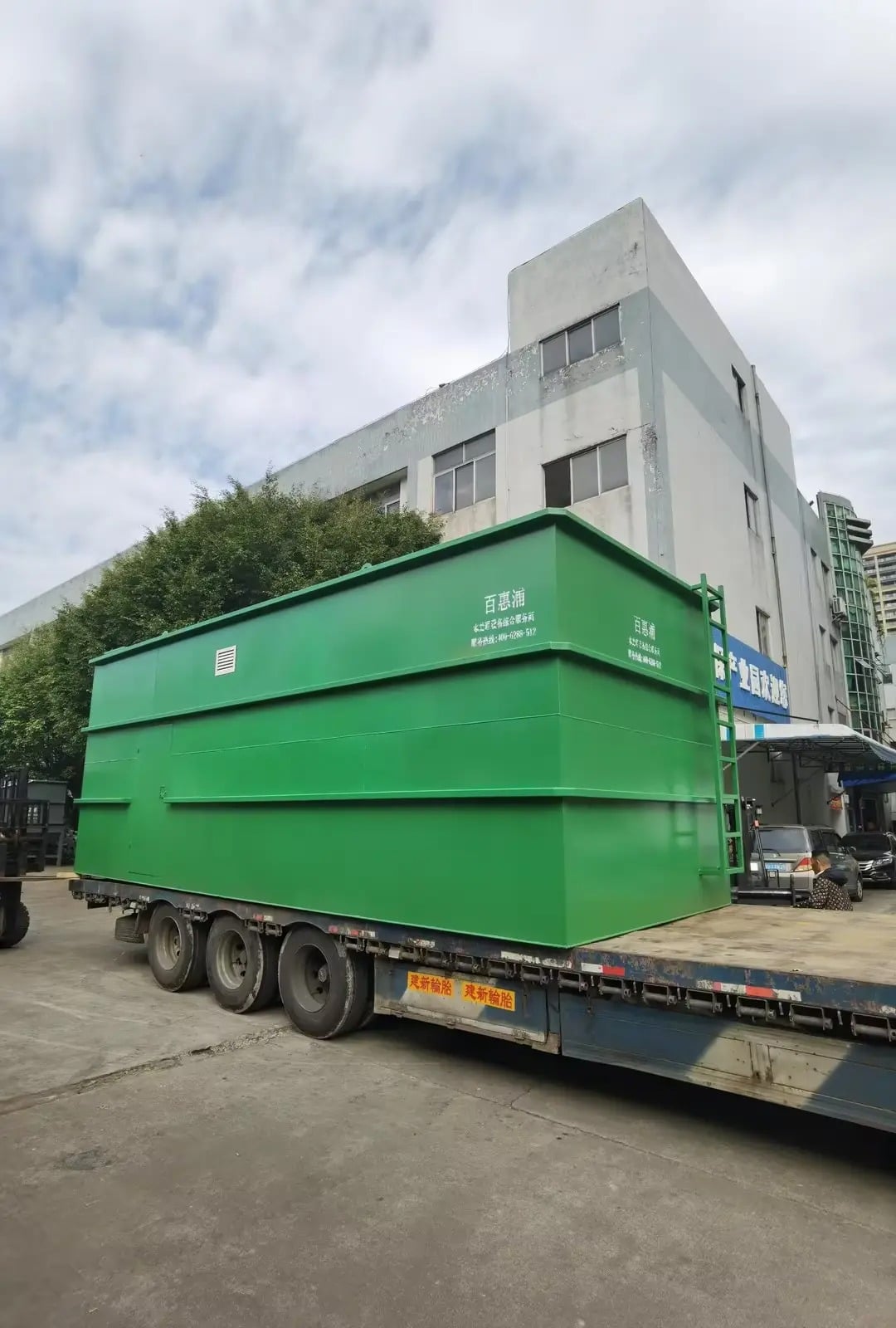
Understanding the integration between pure water production and wastewater management is essential for pharma operations. When pharmaceutical facilities approach pharmaceutical water treatment as a closed-loop system rather than separate functions, they unlock operational advantages including reduced freshwater consumption, lower discharge liability, and improved resource efficiency. This integrated perspective transforms wastewater from a disposal burden into a reuse opportunity.
Pure Water Production and Quality Standards
Quality Requirements in Pharma Manufacturing
Pharmaceutical manufacturing demands pure water that meets stringent pharmacopeial standards. The pharma industry requires water free from microorganisms, dissolved solids, endotoxins, and organic contaminants that could compromise product integrity or safety. Pure water systems must deliver consistent quality across reverse osmosis, ion exchange, and electrodeionization stages to support drug formulation, processing, and equipment cleaning.
Quality specifications vary by application within the facility. Purified water serves general manufacturing and cleaning needs, while high-purity water is reserved for sensitive formulations and final rinse operations. Pharmaceutical water treatment protocols define specific conductivity, total organic carbon, and bacterial limits that production systems must maintain continuously. Meeting these standards requires robust pre-treatment, multi-stage purification, and ongoing monitoring infrastructure.
Production Efficiency and System Design
Modern pure water systems combine multiple technologies to achieve pharmaceutical-grade purity efficiently. Membrane separation, activated carbon filtration, and ion exchange resins work sequentially to reduce dissolved salts, organics, and particulates. System design directly influences production cost, energy consumption, and maintenance requirements across the pharma operation. Optimized configurations minimize backflushing frequency and chemical regeneration needs while maximizing output consistency.
Capacity planning for pure water systems must account for peak manufacturing demand, equipment cleaning cycles, and safety margins. Undersized systems create production bottlenecks and forced overtime that increases operational stress and system wear. Conversely, oversized systems incur unnecessary capital investment and standby energy costs. Balancing these factors requires detailed analysis of actual pharma facility usage patterns rather than theoretical maximum demand.
Wastewater Streams and Treatment Integration
Sources and Composition of Pharmaceutical Wastewater
Wastewater from pharmaceutical facilities originates from multiple sources throughout the manufacturing process. Pre-treatment discharge from pure water systems contains dissolved minerals and hardness ions removed during initial purification stages. Equipment cleaning and batch rinses introduce residual active ingredients, solvents, and cleaning agents into waste streams. Ion exchange resin regeneration produces brine waste high in sodium chloride and displaced ions that require specialized handling in wastewater treatment.
Each waste stream carries distinct chemical profiles and contamination profiles that influence treatment strategy. Pharmaceutical wastewater often contains compounds that resist conventional biological treatment, requiring advanced oxidation, activated sludge, or membrane technologies. Wastewater treatment systems must reduce chemical oxygen demand, remove suspended solids, and eliminate any residual pharmaceuticals before discharge or reuse. Understanding source composition enables targeted treatment that reduces both cost and environmental impact.
Advanced Treatment Technologies
Advanced pharmaceutical wastewater treatment combines physical, chemical, and biological processes to meet discharge standards and enable reuse applications. Membrane bioreactors concentrate microorganisms while filtering treated effluent, producing cleaner water suitable for non-potable reuse. Reverse osmosis further polishes membrane bioreactor effluent to levels acceptable for equipment washing or irrigation. Ozonation and ultraviolet disinfection eliminate residual pharmaceutical compounds and microorganisms prior to wastewater discharge or treatment completion.
Each technology selection reflects site-specific wastewater composition, reuse goals, and regulatory discharge requirements. Combining multiple treatment stages ensures removal of diverse contaminants while managing operational complexity and chemical costs. Treatment process optimization through pH adjustment, coagulation optimization, and retention time refinement extends equipment life and reduces chemical dosing waste.
Water Reuse and Closed-Loop Operations
Reuse Applications Within Pharmaceutical Facilities
Water reuse strategies transform treated wastewater into valuable resources within pharma operations. Equipment cooling water, non-contact cooling, and washdown operations accept reused wastewater meeting modest quality thresholds. Cooling tower makeup and irrigation applications further expand reuse opportunities without requiring pharmaceutical-grade purity. These non-potable reuse pathways reduce freshwater demand while generating measurable utility cost savings across the facility.
Implementing successful reuse requires careful matching between treated water quality and intended application. Over-treating wastewater for applications requiring only moderate quality inflates treatment costs unnecessarily. Conversely, insufficient treatment compromises cooling tower performance or introduces biological growth risks. Optimized reuse design selects treatment depth strategically, balancing water quality delivery against real operational demand and regulatory safety margins.
Regulatory and Risk Considerations
Pharmaceutical facilities operating water reuse programs must navigate regulatory frameworks governing recycled water quality and application. Wastewater quality standards for reuse vary by jurisdiction and end-use, requiring verification that treated water meets both pharma-specific purity targets and environmental discharge limits. Reuse systems demand robust monitoring, documentation, and change management procedures to demonstrate ongoing compliance and operational safety.
Cross-contamination prevention remains critical when treated wastewater enters production or cleaning water loops. Dedicated piping, pressure maintenance, and isolation valves prevent accidental contact between reused wastewater and product-contact surfaces. Redundant water quality monitoring downstream of reuse injection points provides early warning if treatment performance degrades. These safeguards protect product integrity while enabling confident integration of reused water into pharma operations.
FAQ
How does pharmaceutical water treatment reduce overall facility costs?
Integrated pharmaceutical water treatment reduces costs through multiple pathways. Reusing treated wastewater for non-critical applications cuts freshwater consumption and municipal discharge fees simultaneously. Optimized pure water system design minimizes energy use and chemical regeneration costs. Wastewater treatment that enables reuse eliminates disposal costs while generating operational credit through resource recovery. Over multi-year operation, these combined savings often justify higher initial investment in integrated treatment infrastructure.
What quality standards must pharma pure water systems meet?
Pure water systems in pharma operations must comply with pharmacopeial standards including USP, EP, and BP specifications. These standards define maximum limits for conductivity, total organic carbon, microbial content, and endotoxins appropriate to water grade. Purified Water typically targets conductivity below 1.3 microsiemens and specific quality thresholds. High-purity Water requires even stricter specifications for sensitive formulation work. Meeting these standards demands regular system testing, process validation, and documented monitoring across all production stages.
Can treated wastewater be reused directly in pharmaceutical manufacturing?
Treated wastewater cannot typically be reused in direct pharmaceutical manufacturing processes without extensive advanced treatment. Product contact requires pharmaceutical-grade pure water meeting stringent pharmacopeial purity. However, treated wastewater excels in supporting applications including equipment cooling, facility washdown, irrigation, and cooling tower makeup. These high-volume, non-critical uses provide substantial reuse value while respecting safety and quality boundaries essential to pharmaceutical operations and product integrity.

 EN