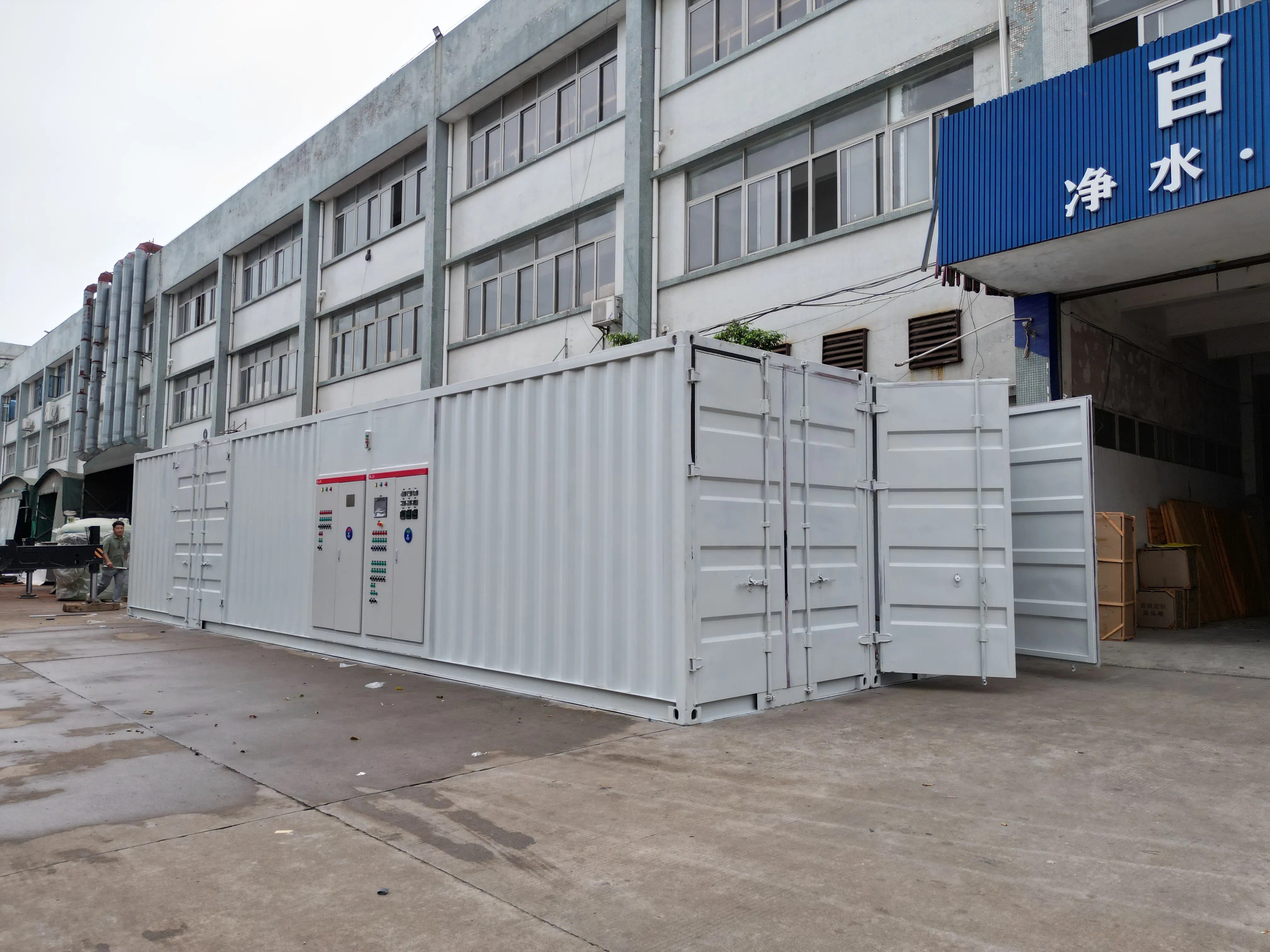
Designing a pharmaceutical wastewater treatment plant requires understanding when basic treatment suffices and when advanced treatment becomes essential. Pharma facilities generate complex wastewater containing APIs, excipients, and residual chemicals that demand strategic treatment decisions. The timing of these decisions directly impacts regulatory compliance, operational costs, and environmental performance. Without a clear framework for evaluating treatment needs, facilities risk inadequate effluent quality, permit violations, and wasted capital investment.
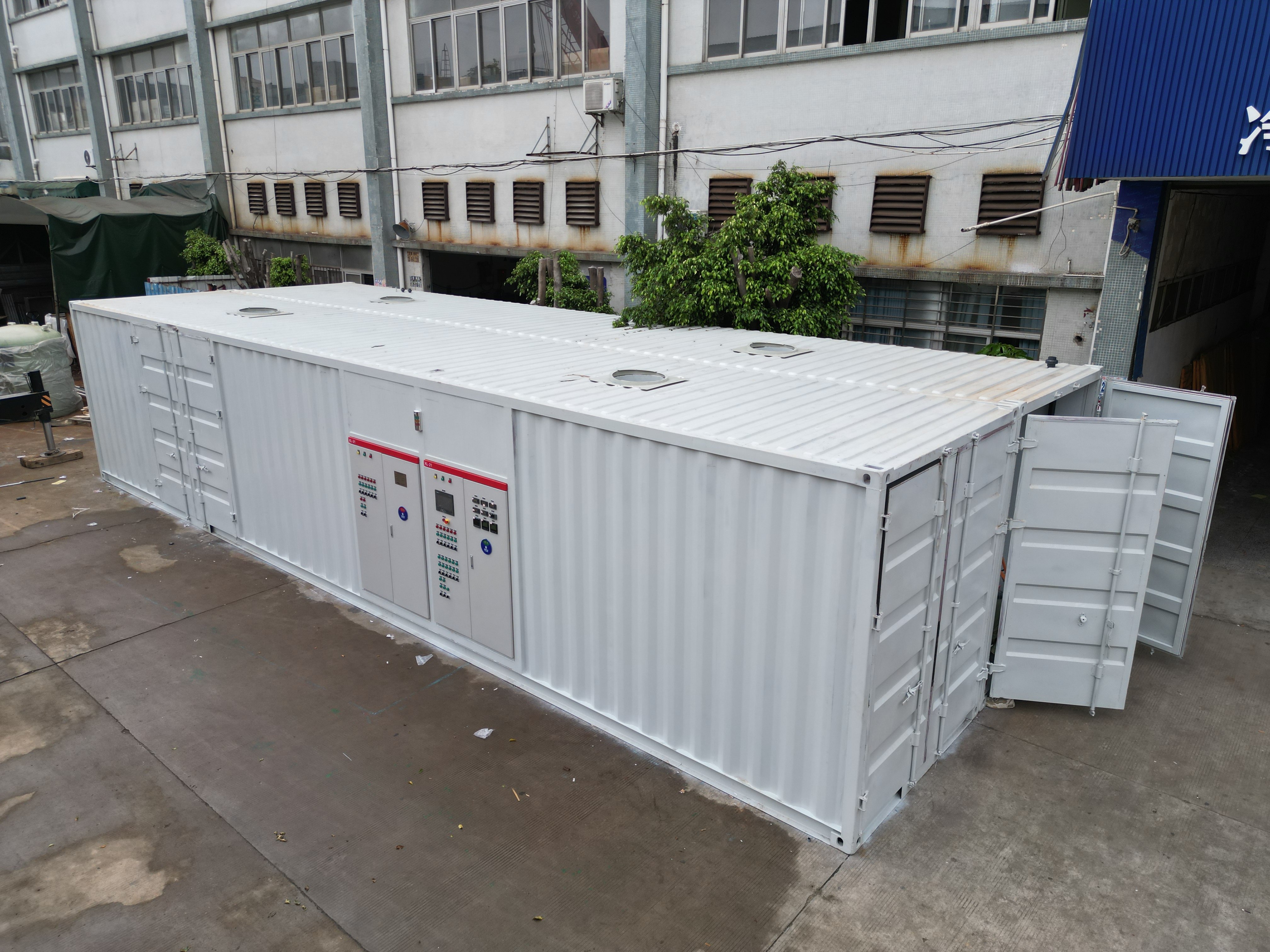
The question of when advanced treatment steps are needed depends on discharge standards, local environmental regulations, and operational reuse goals. Standard primary and secondary treatment may handle generic organic loads, but pharma environments introduce contaminants that resist conventional removal. Advanced treatment technologies address these gaps by targeting persistent compounds, reducing COD to stringent thresholds, and enabling water reuse. Understanding these decision points helps facility operators allocate resources efficiently and avoid costly retrofit situations.
Understanding Pharma Wastewater Complexity
Unique Contaminant Profile in Pharma Operations
Pharmaceutical manufacturing produces wastewater fundamentally different from municipal or generic industrial streams. Active pharmaceutical ingredients, synthetic intermediates, and process solvents create a chemical load that conventional biological treatment alone cannot fully eliminate. Pharma wastewater often contains compounds with poor biodegradability, requiring advanced oxidation or specialized microbial cultures. The presence of antibiotics, steroids, and other potent molecules means that trace residues can pose ecological risks even at parts-per-billion levels. Traditional secondary treatment achieves 85-90% organic removal, leaving residual COD that may violate modern discharge permits.
Regulatory Drivers for Advanced Treatment
Environmental agencies worldwide have tightened limits on pharmaceutical effluent discharge. COD thresholds have dropped from historical 200-300 mg/L to 50-100 mg/L or lower in many regions. Some jurisdictions now mandate removal of specific APIs or limit pharmaceutical markers in receiving waters. These regulations force facility operators to evaluate whether conventional secondary clarification meets current and projected future standards. A pharmaceutical wastewater treatment plant designed without accounting for emerging regulations becomes obsolete within 5-10 years. Advanced treatment steps such as granular activated carbon, UV oxidation, or membrane filtration bridge the gap between current biology and regulatory limits.
Identifying When Advanced Treatment is Essential
COD Discharge Thresholds and Biodegradability Assessment
The most practical decision trigger is comparing projected effluent COD after conventional treatment against permit limits. If secondary treatment alone produces 150 mg/L COD but the permit allows only 75 mg/L, advanced treatment becomes mandatory. Biodegradability testing—using tests like OECD 301—reveals what fraction of organic load responds to microbial metabolism. Pharma streams with low biodegradability indices signal poor treatment efficiency in conventional systems. When biodegradability falls below 40-50%, advanced oxidation or carbon adsorption becomes necessary to achieve final COD targets. Conducting this assessment during design prevents expensive trial-and-error during commissioning.
Reuse Intent and Quality Requirements
Water scarcity and sustainability goals increasingly drive reuse ambitions. If a pharma facility aims to recycle treated wastewater for cooling towers, equipment wash-down, or utility water, advanced treatment becomes non-negotiable. Secondary effluent typically carries 50-150 mg/L residual COD, 5-15 mg/L suspended solids, and microbial populations that make direct reuse risky. Advanced treatment—combining membrane filtration, activated carbon, and UV disinfection—reduces COD below 20 mg/L, removes viruses and bacteria, and produces water suitable for non-potable reuse. Without advanced steps, reuse plans remain theoretical. Facilities targeting water autonomy must invest in advanced treatment from the design phase.
Advanced Treatment Technologies and Integration Points
Granular Activated Carbon and Chemical Oxidation
Granular activated carbon (GAC) excels at removing persistent organic compounds that survive secondary treatment. In pharmaceutical applications, GAC reduces COD by 40-60% and eliminates color, odor, and trace APIs. Chemical oxidation—using ozone, hydrogen peroxide, or advanced oxidation processes (AOPs)—mineralizes recalcitrant molecules into CO₂ and water. Combining chemical oxidation with GAC creates a polishing train that handles both broad-spectrum removal and specific contaminant elimination. The pharmaceutical wastewater treatment plant incorporating these technologies achieves COD reduction to 20-50 mg/L, meeting stringent discharge limits. Capital costs for these modules have decreased over the past decade, making them economically feasible for mid-sized pharma operations.
Membrane and Reuse-Focused Configurations
Ultrafiltration (UF) and reverse osmosis (RO) create barriers against suspended solids, colloids, and dissolved organic matter. Pharma facilities pursuing aggressive reuse implement membrane bioreactors (MBRs) as secondary treatment, followed by RO for final polishing. This configuration achieves ultra-low COD, near-zero suspended solids, and removable salts for water recovery. Advanced treatment in this context spans both biological and physical-chemical domains. The treated water meets or exceeds cooling tower water quality standards, reducing fresh water intake and disposal volume simultaneously. While membrane systems require careful maintenance and pretreatment to avoid fouling, they provide the highest-quality effluent for sensitive applications.
Design Decision Framework
Evaluating Economic and Environmental Trade-Offs
Deciding whether advanced treatment is 'needed' requires balancing multiple factors. If permit limits allow 150 mg/L COD and the pharmaceutical wastewater treatment plant design achieves 130 mg/L with conventional biology, advanced treatment may not be justified economically. Conversely, if limits are 50 mg/L or lower, or if reuse goals exist, advanced treatment becomes a core requirement. Lifecycle costing—summing capital, energy, chemical, and maintenance expenses over 15-20 years—reveals true economics. Advanced treatment adds 20-40% to total wastewater system cost but often saves water procurement expenses and disposal fees. Environmental impact extends beyond treated effluent to energy consumption; some advanced oxidation methods consume significant electrical power, requiring evaluation against climate goals.
Phased Implementation and Future-Proofing
Regulatory landscapes shift, so designing for flexibility reduces retrofit risk. A modular pharmaceutical wastewater treatment plant layout allows adding advanced treatment stages later without demolishing existing infrastructure. Designing secondary clarifiers with capacity for advanced polishing, pre-sizing utility connections, and reserving physical space demonstrates forward-thinking engineering. Future-proofing also means selecting unit operations proven effective on pharma wastewater; legacy technologies may not transition smoothly to new contaminants or lower COD targets. Consulting historical performance data and pilot studies on similar waste streams minimizes surprises during technology scaling.
FAQ
What is COD and why does it matter in pharmaceutical wastewater?
COD (Chemical Oxygen Demand) measures the total organic carbon content requiring oxidation to decompose. In pharmaceutical wastewater, COD reflects the concentration of APIs, intermediates, and solvents present. Regulatory agencies use COD as a proxy for environmental harm; high COD effluent depletes oxygen in receiving water bodies, harming aquatic life. Pharma streams exhibit higher COD than municipal wastewater due to chemical complexity. Advanced treatment is triggered when conventional biology cannot reduce COD to permit-specified levels, typically 50-100 mg/L in modern jurisdictions.
Can all pharmaceutical wastewater be treated with conventional secondary treatment?
No. Conventional activated sludge and trickling filters achieve 85-90% organic removal on average municipal wastewater but often fall short for pharma streams. Pharmaceutical compounds with low biodegradability—many synthetic antibiotics and steroids—resist microbial degradation and pass through secondary clarifiers. Facilities producing these compounds experience effluent COD of 100-200 mg/L even after robust secondary treatment. Advanced treatment technologies are essential when pharma wastewater composition includes persistent organics or when discharge limits demand COD below 75 mg/L.
How does advanced treatment enable water reuse?
Advanced treatment—combining membrane filtration, activated carbon, and UV disinfection—removes organic residues, suspended solids, and microorganisms that prevent reuse. Secondary effluent typically carries unacceptable levels of pathogens and dissolved organics for cooling towers or cleaning applications. Advanced treatment reduces COD below 20 mg/L, eliminates turbidity, and destroys viruses, making water suitable for non-potable recycling. Pharma facilities reusing treated wastewater reduce freshwater consumption and disposal volumes, improving sustainability while lowering operating costs. Reuse intent should be factored into the pharmaceutical wastewater treatment plant design from inception to avoid expensive retrofits.

 EN