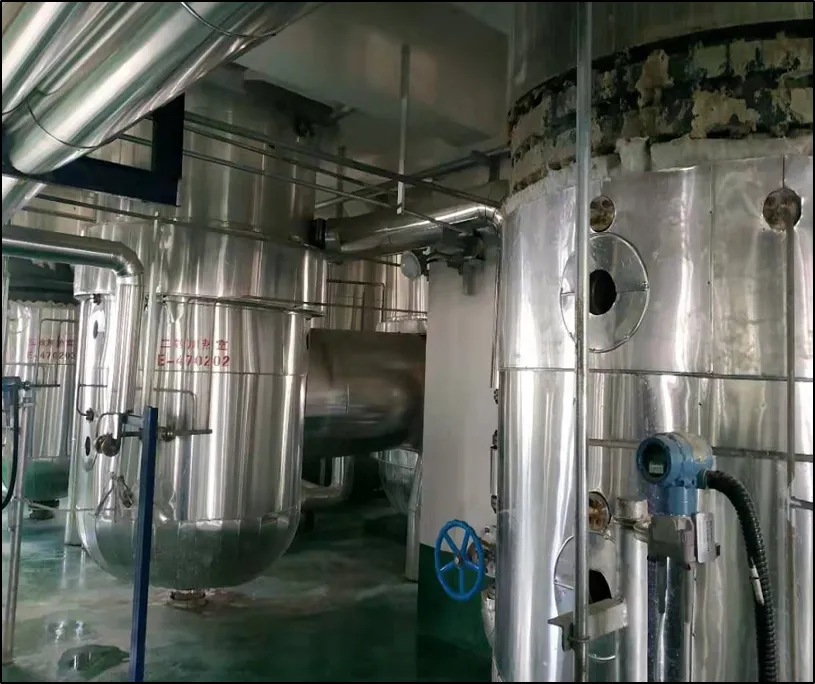
Pharmaceutical wastewater treatment represents one of the most demanding challenges in industrial water management today. The pharmaceutical industry generates complex effluent streams containing active pharmaceutical ingredients, residual chemicals, and hazardous compounds that pose significant environmental and public health risks if not properly managed. Building a robust multi-stage process is essential for facilities seeking reliable compliance, environmental stewardship, and operational excellence in treating pharmaceutical wastewater treatment systems effectively.
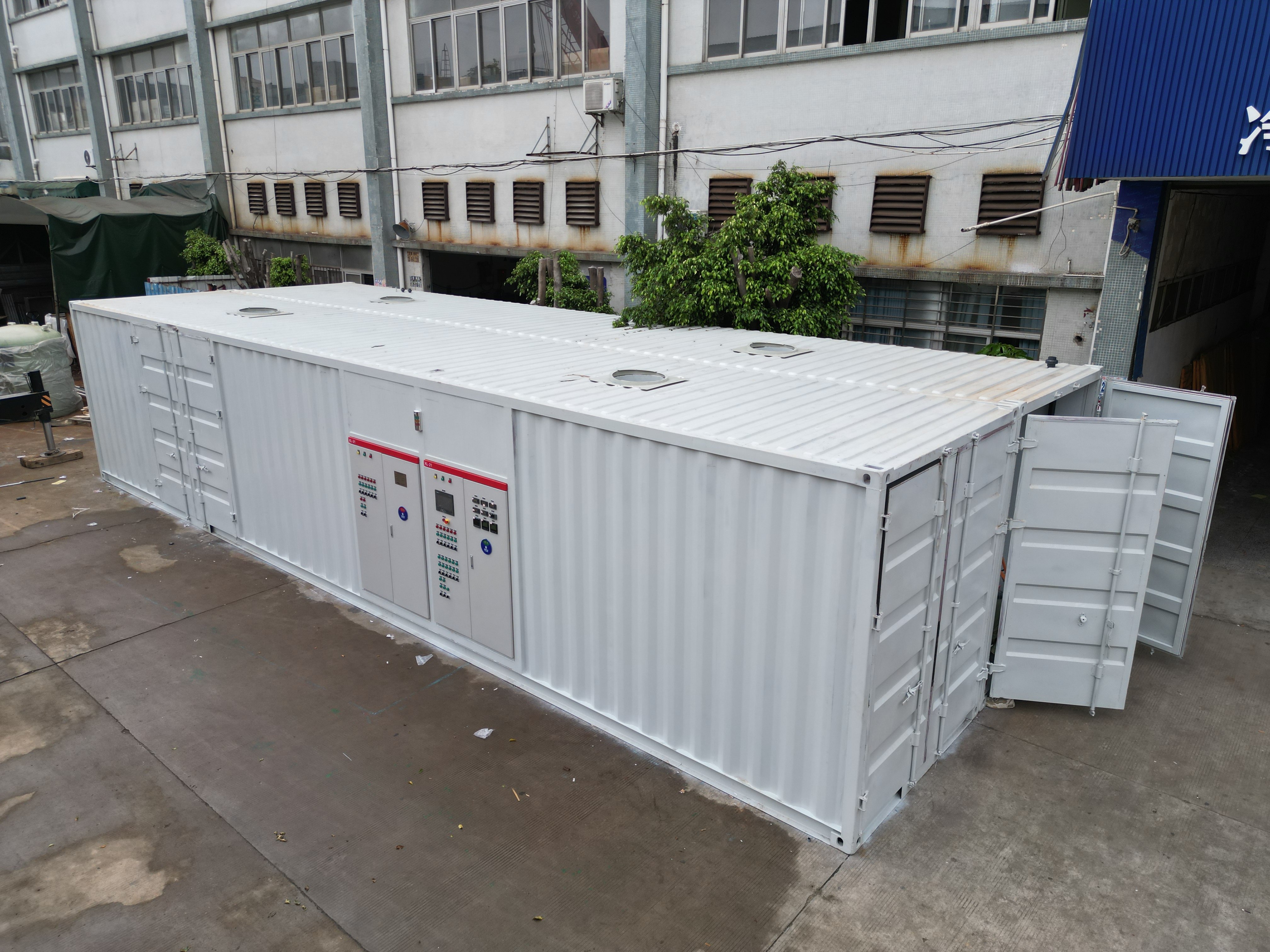
A properly engineered multi-stage approach combines mechanical separation, biological processing, and advanced treatment technologies to address the full spectrum of contaminants unique to pharma facilities. Each stage targets specific pollutant categories, ensuring that effluent meets regulatory discharge limits while minimizing treatment waste and operational costs. Understanding the integration of these stages is critical for facility managers, environmental engineers, and compliance officers responsible for pharmaceutical operations.
Understanding Pharmaceutical Wastewater Characteristics and Treatment Needs
Composition and Regulatory Complexity
Pharmaceutical manufacturing produces wastewater containing residual active ingredients, solvents, suspended solids, and dissolved organic compounds that standard municipal treatment plants cannot adequately remove. These effluent streams often contain compounds resistant to conventional biological degradation, requiring specialized pharma treatment strategies. Regulatory frameworks such as the Clean Water Act, pharmaceutical-specific state guidelines, and local discharge permits mandate treatment standards that address both conventional pollutants and pharmaceutical-specific contaminants.
The complexity of pharmaceutical wastewater treatment extends beyond simple organic loading. Many active pharmaceutical ingredients exhibit poor biodegradability, antimicrobial properties that inhibit biological reactors, or toxicity at trace concentrations. This reality demands a multi-stage framework that combines primary treatment for solids, secondary biological processes where feasible, and tertiary or advanced treatment for resistant compounds and polishing.
Industry-Specific Operational Challenges
Pharma facilities face variable wastewater composition depending on their product portfolio, manufacturing schedules, and batch processes. One day's effluent may contain high concentrations of antibiotics; another may include hormones, biologics, or specialty chemicals. This variability necessitates flexible biological treatment capacity and robust advanced treatment capabilities. Additionally, pharmaceutical operations must balance treatment costs against regulatory penalties, environmental liability, and corporate sustainability commitments.
Core Stages of a Robust Multi-Stage Treatment System
Primary Treatment: Preliminary Separation and Load Reduction
The first stage of pharmaceutical wastewater treatment focuses on removing large solids, oils, and easily settleable materials through screening, grit removal, and primary clarification. Equalization tanks buffer variable flow rates and concentration spikes, preventing shock loading to downstream biological processes. These preliminary steps reduce the organic load entering biological reactors by 20 to 40 percent, extending reactor efficiency and lifespan while reducing biosolids generation.
Oil and grease removal becomes critical in pharma facilities where manufacturing processes include solvent extraction, tablet coating, or lipid-based formulations. Skimming, dissolved air flotation, or coalescing systems efficiently separate these materials before biological treatment, preventing accumulation in reactor biomass and improving overall system stability.
Secondary Treatment: Biological Process Integration
The secondary stage employs aerobic or anaerobic biological processes to oxidize biodegradable organic matter and reduce biochemical oxygen demand. Activated sludge systems, sequencing batch reactors, or moving bed biofilm reactors provide robust biological treatment platforms for pharmaceutical facilities. These multi-stage biological systems achieve high removal rates for conventional pollutants while accommodating variable influent composition typical of pharma operations.
However, biological treatment alone cannot address refractory compounds, antimicrobial residues, or non-biodegradable pharmaceutical metabolites. This limitation is why advanced treatment follows biological processing in a multi-stage pharmaceutical wastewater treatment framework. Biosolids generated during biological treatment require proper handling, including dewatering, disposal, or beneficial use pathways compliant with pharmaceutical regulations.
Advanced Treatment: Polishing and Resistant Compound Removal
Advanced treatment technologies form the critical third stage in pharmaceutical wastewater treatment systems, addressing residual dissolved contaminants that biological processes cannot effectively remove. Activated carbon adsorption provides excellent removal of trace pharmaceuticals, hormones, and persistent organic pollutants through physical adsorption mechanisms. Ultraviolet oxidation with hydrogen peroxide or ozone-based advanced oxidation processes chemically degrade resistant compounds into biodegradable intermediates or complete mineralization.
Membrane technologies including nanofiltration and reverse osmosis achieve high removal of dissolved contaminants through size-based separation, while ion exchange specifically targets ionic pharmaceutical residues. Many progressive pharma facilities integrate membrane bioreactors as their secondary biological stage, combining biological treatment with membrane filtration in a single compact unit. This multi-stage integrated approach simplifies plant footprint while ensuring consistent polishing quality regardless of influent variability.
Design Integration and Operational Optimization
System Sizing and Capacity Planning
Sizing a multi-stage pharmaceutical wastewater treatment system requires detailed characterization of facility wastewater composition, flow rates, and peak loading conditions across all manufacturing scenarios. Hydraulic and organic loading rates must account for seasonal variations, campaign-based production schedules, and emergency discharge scenarios common in pharma operations. Advanced modeling tools simulate multi-stage performance under diverse scenarios, ensuring biological reactors receive appropriate feed composition and preventing process upsets.
Redundancy and flexibility emerge as essential design principles for pharmaceutical wastewater treatment facilities operating under strict compliance requirements. Parallel treatment trains for critical stages, equalization capacity exceeding two to three days of average flow, and flexible operational modes ensure continuous compliance even during maintenance or unexpected influent variations. Modular, skid-mounted configurations enable phased expansion as facility production increases without complete system reconstruction.
Monitoring, Control, and Performance Verification
Robust instrumentation and automated control systems are fundamental to multi-stage pharmaceutical wastewater treatment success. Real-time monitoring of pH, dissolved oxygen, oxidation-reduction potential, turbidity, and flow rate enables rapid process adjustments preventing treatment failures. Periodic effluent sampling and analysis verify compliance with discharge permits while identifying opportunities for process optimization or advanced treatment technology enhancement.
Data management systems collect treatment performance metrics across all multi-stage processes, enabling trend analysis and predictive maintenance scheduling. Documentation of pharmaceutical wastewater treatment operations demonstrates regulatory compliance and supports facility audits by environmental agencies. Continuous improvement cycles integrate operational experience into system upgrades, ensuring long-term reliability and cost efficiency throughout the facility lifecycle.
FAQ
Why is multi-stage treatment necessary for pharmaceutical wastewater rather than single-process solutions?
Pharmaceutical wastewater contains extremely diverse contaminants including biodegradable organics, antimicrobial compounds that inhibit biological treatment, trace pharmaceuticals resistant to standard degradation, and potentially hazardous metabolites. No single treatment process can effectively address all these compound classes simultaneously. A multi-stage pharmaceutical wastewater treatment approach applies each technology to specific pollutant categories where it performs optimally, ensuring comprehensive contaminant removal while maintaining operational stability and cost efficiency.
How do biological treatment stages specifically function within pharma multi-stage systems?
Biological treatment in pharmaceutical wastewater treatment processes leverages microorganisms to oxidize biodegradable organic compounds, reducing biochemical oxygen demand by 80 to 90 percent. Activated sludge or membrane bioreactor configurations provide controllable environments where biological community composition adapts to pharma effluent characteristics. However, biological processes cannot eliminate trace pharmaceuticals or refractory compounds, which is why advanced treatment stages follow biological treatment, completing the multi-stage framework and ensuring final effluent polishing.
What advanced treatment technologies are most effective in pharma wastewater systems?
Activated carbon adsorption, ultraviolet advanced oxidation, ozone treatment, and membrane technologies represent the most effective advanced treatment options for pharmaceutical wastewater treatment applications. Activated carbon removes trace pharmaceuticals and organic micropollutants through physical adsorption. Oxidation processes chemically transform refractory compounds into simpler, more biodegradable molecules or complete mineralization. Nanofiltration and reverse osmosis provide size-based separation of dissolved contaminants. Facility selection depends on specific influent composition, discharge permit requirements, and cost-benefit analysis of operational expenses versus compliance assurance.

 EN