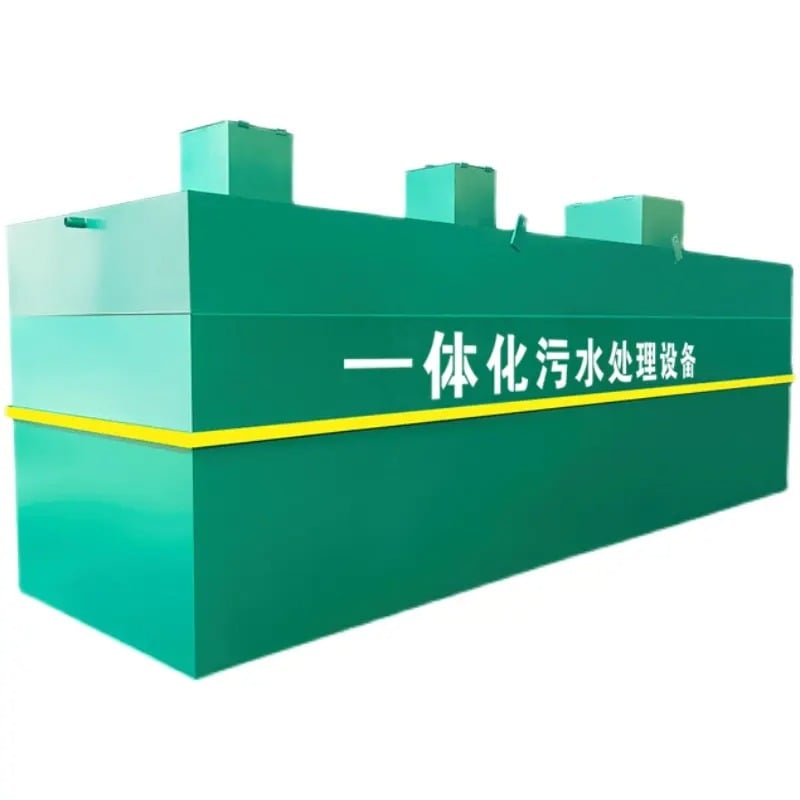
The pharmaceutical industry generates some of the most challenging wastewater streams in industrial manufacturing. These effluents contain high concentrations of organic compounds, salts, and complex chemical residues that standard treatment methods cannot adequately handle. Effective pharmaceutical industry wastewater treatment requires a strategic approach that begins with understanding the composition and characteristics of each process stream before they enter the main treatment plant.
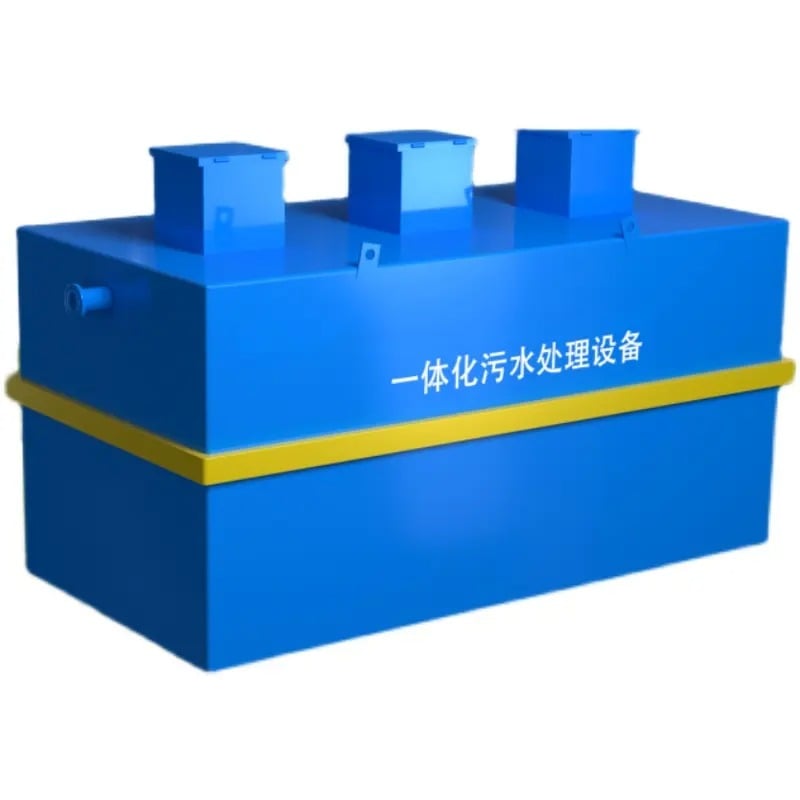
Stream segregation is the cornerstone of modern pharma wastewater management. By separating high-strength process streams from general wastewater, facilities can apply targeted treatment technologies that maximize efficiency and minimize operational costs. This article explores how pharmaceutical manufacturers can implement effective stream segregation strategies, pretreatment approaches, and advanced technologies to manage high-COD effluents and meet increasingly stringent discharge regulations.
Understanding Pharmaceutical Wastewater Stream Characteristics
High-COD Content in Pharma Process Streams
Chemical oxygen demand (COD) is a critical parameter for pharmaceutical industry wastewater treatment. Process streams from drug manufacturing, fermentation, and synthesis operations typically contain dissolved organic compounds that consume substantial oxygen during biological degradation. High-COD streams can reach concentrations of 5,000 to 50,000 mg/L or higher, far exceeding the capacity of conventional activated sludge systems. Understanding the source and nature of these high-COD contaminants is essential for designing appropriate pretreatment solutions.
Stream Segregation as a Foundational Strategy
Stream segregation involves separating wastewater at the point of generation rather than mixing all effluents into a single treatment train. Pharmaceutical manufacturers typically generate multiple waste streams, including cooling water, rinsing water, mother liquors from crystallization, reactor washouts, and cleaning solutions. Each stream has distinct characteristics and concentration levels. By implementing stream segregation early in the process, facilities can route high-COD streams to specialized treatment units while directing lower-strength water to conventional systems, significantly improving overall treatment efficiency.
Pretreatment Technologies for High-Strength Pharmaceutical Streams
Advanced Pretreatment Methods for High-COD Wastewater
Pretreatment is critical when pharmaceutical industry wastewater treatment must handle high-COD effluents. Advanced technologies such as membrane filtration, activated carbon adsorption, and chemical precipitation can remove suspended solids, colloids, and certain dissolved contaminants before the stream enters biological treatment. These pretreatment steps reduce the organic load on downstream systems and improve their performance. For extremely high-COD streams, evaporation and crystallization technologies can concentrate the waste stream, allowing valuable materials to be recovered or disposal costs to be minimized.
Integration of Pharma-Specific Pretreatment with Stream Segregation
Effective pharmaceutical wastewater systems combine stream segregation with targeted pretreatment. Streams with suspended solids undergo primary clarification or filtration first. Streams containing problematic compounds undergo chemical oxidation or adsorption-based pretreatment. Mother liquor streams from crystallization may be routed directly to specialized evaporation units. By matching pretreatment technology to the specific characteristics of each segregated stream, pharmaceutical manufacturers achieve better removal efficiencies and reduce the burden on final polishing stages.
Implementing Effective Treatment for Segregated High-COD Streams
Secondary Treatment and Biological Processes
After pretreatment and stream segregation, high-COD pharmaceutical streams typically enter biological treatment systems designed to handle their specific composition. Conventional activated sludge systems often struggle with pharmaceutical compounds due to their recalcitrance and toxicity to microorganisms. Membrane bioreactors (MBRs), sequencing batch reactors (SBRs), and extended aeration systems offer better performance for pharma wastewater. Some pharmaceutical industry wastewater treatment facilities employ upflow anaerobic sludge blanket (UASB) reactors to treat high-COD streams, recovering biogas while removing organic contaminants.
Polishing and Final Treatment Before Discharge
Segregated and pretreated streams still require polishing stages to meet discharge standards. After secondary biological treatment, effluent may contain residual dissolved organic compounds, nitrogen, and phosphorus. Advanced oxidation processes (AOPs), ozone treatment, and ultraviolet (UV) disinfection can remove recalcitrant pollutants and reduce COD to acceptable levels. For pharmaceutical industry wastewater treatment in sensitive environments, activated carbon polishing or constructed wetlands may provide additional buffering and contaminant removal. The combination of proper stream segregation, tailored pretreatment, and robust polishing ensures that segregated high-strength streams meet regulatory requirements while protecting receiving waters.
FAQ
What are the main benefits of stream segregation in pharmaceutical wastewater treatment?
Stream segregation allows pharmaceutical facilities to apply specific treatment technologies suited to each wastewater type rather than using a one-size-fits-all approach. This targeted strategy reduces treatment costs, improves removal efficiency for high-COD streams, enables resource recovery from concentrated streams, and typically results in better effluent quality and regulatory compliance compared to mixing all waste streams together.
How does pretreatment reduce the burden on biological treatment systems?
Pretreatment removes suspended solids, inhibitory compounds, and a portion of dissolved organic matter before wastewater enters biological reactors. By reducing the initial COD load and eliminating substances toxic to microorganisms, pretreatment allows biological systems to operate more efficiently and stably. This extended sludge age and improved biosolids handling directly reduce operational challenges and improve the pharmaceutical industry wastewater treatment performance across the entire facility.
Why are high-COD pharmaceutical streams particularly challenging to treat?
Pharmaceutical synthesis and fermentation generate complex, often recalcitrant organic compounds that resist standard biological degradation. High concentrations of these chemicals overwhelm conventional treatment systems, while some pharmaceutical compounds inhibit or kill the microorganisms in biological reactors. The combination of extreme organic load, toxic compounds, and variable stream composition makes high-COD pharma wastewater particularly difficult, necessitating specialized pretreatment and segregation strategies rather than conventional approaches.

 EN