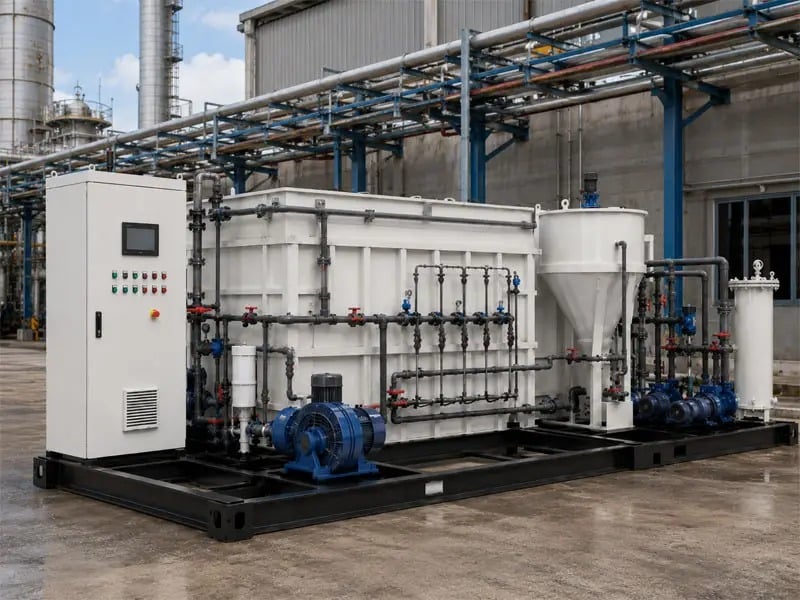
A pharmaceutical effluent treatment plant represents a critical infrastructure investment for any pharma manufacturing facility. The challenge lies not in treating wastewater alone, but in managing the inherent complexity and variability that characterizes pharmaceutical discharge streams. Unlike conventional industrial wastewater, pharma effluent contains multiple active pharmaceutical ingredients, metabolites, and byproducts that demand sophisticated treatment strategies.
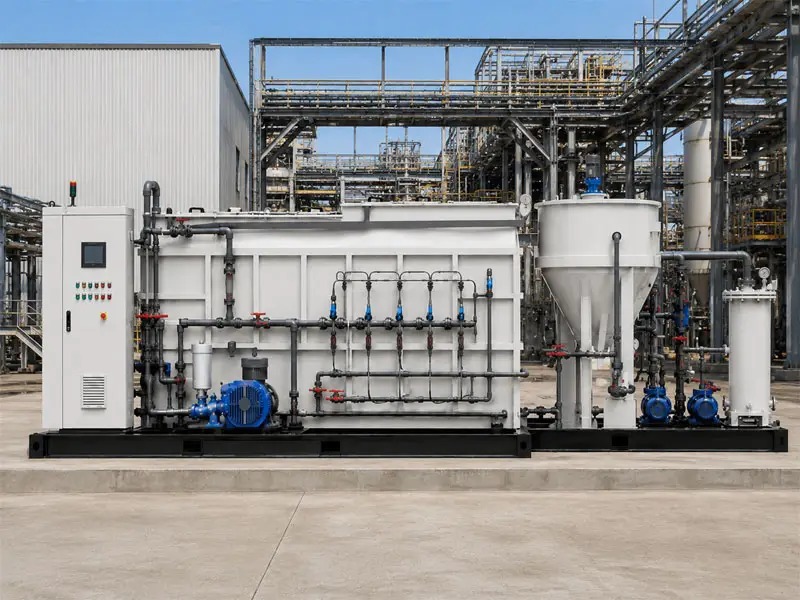
Operating a successful pharmaceutical effluent treatment plant requires understanding the sources of variable wastewater generation throughout your facility. Different production batches, synthesis routes, and formulation processes create discharge streams with vastly different chemical profiles, concentrations, and treatment requirements. This variability demands adaptive treatment technologies and real-time monitoring capabilities.
Understanding Pharmaceutical Wastewater Complexity
Sources and Characteristics of Pharma Discharge
Pharmaceutical manufacturing generates variable wastewater from synthesis reactions, product recovery processes, equipment cleaning, and quality control laboratories. Each production line produces effluent with unique contaminant profiles, making a one-size-fits-all treatment approach ineffective. Active pharmaceutical ingredients, organic solvents, salts, and complex metabolites combine to create highly variable wastewater streams that challenge conventional treatment methodologies.
The variability extends beyond chemical composition. Flow rates fluctuate based on production schedules, shift patterns, and batch timing. Temperature variations occur depending on whether cooling water or heated process streams are involved. pH levels swing dramatically between acidic synthesis operations and alkaline neutralization steps. A robust pharmaceutical effluent treatment plant must accommodate these dynamic conditions while maintaining consistent discharge compliance.
Regulatory Drivers and Treatment Objectives
Environmental regulations increasingly mandate stringent limits on pharma discharge, including COD reduction targets, biological oxygen demand thresholds, and specific pharmaceutical residue concentrations. COD levels in pharmaceutical wastewater often exceed 2,000 to 10,000 mg/L before treatment, far exceeding typical municipal discharge limits of 125 mg/L. Achieving these reductions requires multi-stage treatment strategies that your pharmaceutical effluent treatment plant must integrate seamlessly.
Compliance extends beyond COD metrics. Regulatory agencies now focus on pharmaceutical compound persistence, bioaccumulation potential, and ecotoxicity endpoints. This means your facility must employ treatment technologies capable of destroying or removing both bulk organic loads and trace-level pharma residues. The complexity of regulatory requirements drives investment in advanced treatment capabilities.
Pretreatment Strategies for Variable Wastewater Management
Primary Screening and Segregation
Effective pretreatment begins with source segregation and waste stream characterization. Segregating variable wastewater streams according to origin and composition allows your pharmaceutical effluent treatment plant to apply tailored treatment approaches. High-strength synthetic waste from APIs requires different handling than cleaning wastewater or cooling tower discharge. Screening equipment removes suspended solids, preventing downstream equipment fouling and improving treatment efficiency.
Real-time characterization of incoming streams informs treatment decisions. Installing online monitoring for pH, flow rate, and COD concentration enables automated adjustment of chemical dosing and treatment sequencing. This adaptive approach transforms your pharmaceutical effluent treatment plant from a static system into a responsive treatment facility capable of handling the inherent variability in pharma discharge.
Chemical Adjustment and Equalization
Pretreatment involves pH adjustment, coagulation, and flocculation to remove suspended solids and precipitate metal contaminants. Variable wastewater entering equalization tanks allows mixing of different batch discharges, buffering pH swings and moderating COD fluctuations. This equalization reduces shock loads on downstream biological treatment stages, improving process stability and treatment reliability across your pharmaceutical effluent treatment plant.
Chemical pretreatment precipitates metal ions, oxidizes certain pharma compounds, and adjusts wastewater rheology. Ferric chloride or aluminum sulfate addition promotes aggregation of colloidal particles. Lime addition raises pH for metals removal while creating a more amenable substrate for biological treatment stages. These pretreatment steps reduce the organic loading on downstream units and improve overall COD reduction efficiency.
Advanced Treatment Technologies and COD Reduction
Biological Treatment for Organic Degradation
Activated sludge systems remain the core technology for COD reduction in most pharmaceutical effluent treatment plant designs. Aerobic microorganisms oxidize soluble organic compounds into carbon dioxide and biomass, achieving substantial COD removal when wastewater composition remains relatively stable. However, variable wastewater containing recalcitrant pharma compounds challenges biological systems, requiring longer residence times or supplemental treatment stages.
Sequential batch reactors and membrane bioreactors offer greater flexibility for handling variable wastewater than conventional continuous-flow systems. These technologies provide better control over solids retention time and allow selective cultivation of specialized microbial populations capable of degrading specific pharma compounds. Extended COD reduction often requires 15 to 25 day sludge ages, substantially higher than conventional municipal wastewater treatment.
Advanced Oxidation and Polishing
Pharmaceutical effluent treatment plant designs increasingly incorporate advanced oxidation processes for compounds resistant to biological treatment. Ozonation, UV photolysis, and hydrogen peroxide oxidation target refractory pharma residues that biological systems cannot fully degrade. These polishing stages ensure final effluent meets stringent COD thresholds and pharmaceutical residue limits, protecting receiving waters from potential ecotoxicity impacts.
Granular activated carbon adsorption provides a complementary treatment approach for specific pharma compounds and color removal. Combining biological treatment with carbon polishing extends COD reduction capabilities and addresses variable wastewater composition challenges. Your pharmaceutical effluent treatment plant may employ carbon as a final polishing stage or integrate it into a multi-barrier treatment train for maximum contaminant removal.
System Integration and Operational Resilience
Process Control and Monitoring Infrastructure
Modern pharmaceutical effluent treatment plant designs emphasize robust process control systems capable of responding to variable wastewater fluctuations automatically. Continuous pH, dissolved oxygen, temperature, and flow monitoring enables real-time adjustment of chemical feeds, aeration rates, and bypass flows. Automated control systems reduce operator burden and maintain treatment performance despite upstream variability.
Data logging and trend analysis identify emerging problems before they impact discharge compliance. Monitoring COD concentrations in real time allows operators to adjust sludge wasting rates, aeration intensity, and chemical supplementation to optimize pharma degradation. Integration with laboratory analytical results creates a comprehensive picture of treatment performance across your pharmaceutical effluent treatment plant.
Operational Flexibility and Redundancy
Designing a pharmaceutical effluent treatment plant for variable wastewater requires built-in flexibility and redundancy. Parallel treatment trains allow one unit to undergo maintenance while production continues. Equalization capacity should accommodate two to three days of production variability, buffering transient peaks. Backup power systems ensure treatment continuity during grid interruptions, preventing unauthorized discharge during emergencies.
Training operators to recognize early warning signs of treatment upset improves response times and prevents discharge violations. Your pharmaceutical effluent treatment plant requires staff familiar with pharma wastewater characteristics, treatment chemistry, and regulatory compliance requirements. Investment in operator education directly translates to improved treatment reliability and lower compliance risk.
FAQ
What makes pharmaceutical wastewater more difficult to treat than typical industrial variable wastewater?
Pharmaceutical wastewater contains active drug compounds, synthesis intermediates, and metabolites specifically designed to resist degradation in biological systems. These pharma compounds resist conventional treatment mechanisms, requiring extended residence times, specialized microorganisms, or advanced oxidation technologies. Additionally, variable wastewater composition across different batches means treatment systems cannot optimize for a single contaminant profile, necessitating more robust and flexible treatment infrastructure than standard industrial facilities require.
How does COD reduction specifically relate to pharmaceutical effluent treatment plant compliance?
COD measurement quantifies the total organic load in pharmaceutical effluent treatment plant discharge, serving as a regulatory proxy for overall contaminant removal effectiveness. Regulatory agencies establish COD discharge limits based on receiving water protection standards and aquatic ecosystem sensitivity. Achieving required COD reduction typically demands multi-stage treatment combining primary pretreatment, biological oxidation, and advanced polishing. Monitoring COD throughout your pharmaceutical effluent treatment plant operation ensures you maintain compliance margins and can adjust treatment parameters before violations occur.
Why is pretreatment critical for handling variable wastewater in pharmaceutical effluent treatment plants?
Pretreatment stabilizes variable wastewater entering downstream treatment stages, protecting biological and advanced oxidation systems from shock loads and toxic transients. Equalization buffers pH swings and COD fluctuations inherent in batch pharmaceutical manufacturing. Screening removes solids preventing equipment fouling. Chemical adjustment precipitates metals and adjusts pH to optimal ranges. Without adequate pretreatment, variable wastewater creates unstable conditions that compromise treatment performance, increase sludge production, and elevate compliance violation risk.

 EN