Pharmaceutical effluent treatment represents one of the most critical operational challenges in modern drug manufacturing facilities. The complexity of pharmaceutical effluent treatment stems from the diverse chemical compositions present in cleaning-in-place (CIP) systems and batch discharge operations, each requiring tailored management approaches. Understanding how to plan for these two primary discharge streams is essential for regulatory compliance, environmental protection, and operational efficiency.
Effective pharmaceutical effluent treatment planning requires balancing multiple operational, regulatory, and technical considerations. CIP discharge streams contain detergents, residual active pharmaceutical ingredients (APIs), and cleaning agents, while batch discharge carries process byproducts, unreacted materials, and solvents. A strategic approach to equalization, flow management, and treatment sequencing ensures that your facility meets discharge limits while maintaining production continuity.
Understanding Pharmaceutical Effluent Streams and Their Treatment Needs
Composition and Variability of CIP Discharge
CIP systems generate highly variable effluent that changes throughout each cleaning cycle. Early rinse stages contain high concentrations of detergents and cleaning agents, while later stages have residual APIs and lower chemical loads. This variability makes CIP discharge difficult to treat consistently unless proper equalization infrastructure exists. Pharmaceutical effluent treatment for CIP streams demands understanding the specific detergents and cleaning chemicals your facility uses, as different formulations require different treatment chemistries.
The pharmaceutical industry relies on alkaline, acidic, and enzymatic cleaning agents, each leaving distinct chemical signatures in the discharge. When CIP discharge is not equalized, treatment systems must handle extreme pH swings, sudden organic spikes, and changing hardness levels—all of which reduce treatment efficiency and increase chemical consumption. Proper equalization tanks allow the pharmaceutical effluent treatment process to operate on more stable inlet conditions, enabling better removal rates and more predictable effluent quality.
Batch Discharge Characteristics and Planning Requirements
Batch discharge occurs when production lines empty at the end of a manufacturing campaign. Unlike continuous CIP discharge, batch discharge is episodic but often contains higher concentrations of APIs, organic byproducts, and process-specific residues. Planning pharmaceutical effluent treatment for batch discharge requires knowing the frequency of discharge events, the volume per batch, and the typical contaminant profiles. Many facilities generate batch discharge only once or twice per week, creating significant flow variability.
The timing and duration of batch discharge profoundly affect how equalization systems must be sized. If your facility discharges 50,000 liters in a single 4-hour window, equalization capacity must buffer that entire volume. If discharge is spread across two 2-hour sessions, equalization requirements change. Pharma operations must coordinate batch discharge timing with CIP scheduling to prevent simultaneous high flows that overwhelm treatment capacity. This coordination is often overlooked in initial facility design but becomes critical during peak production periods.
Equalization Strategy and Treatment Infrastructure Design
Sizing and Operating Equalization Systems
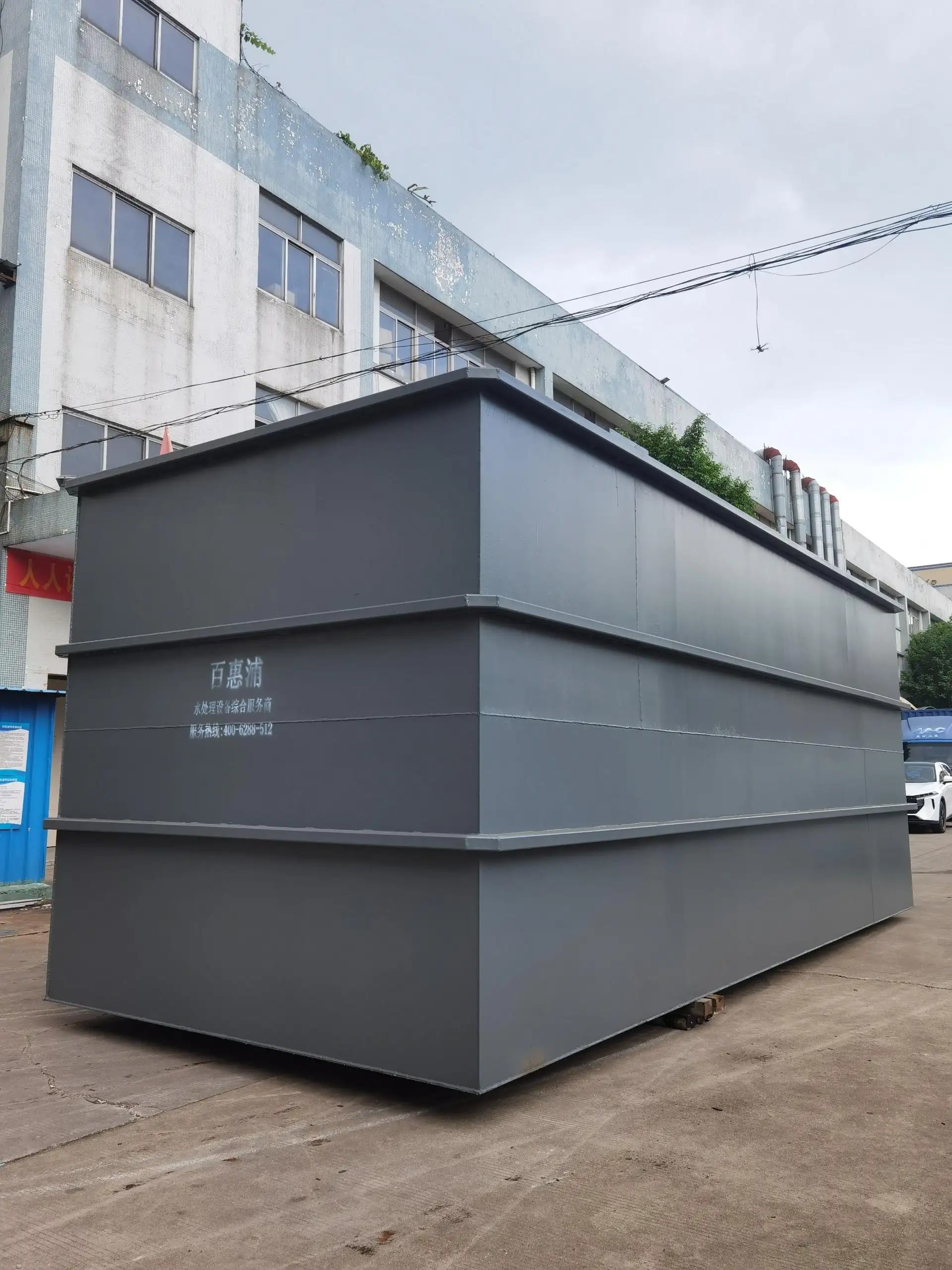
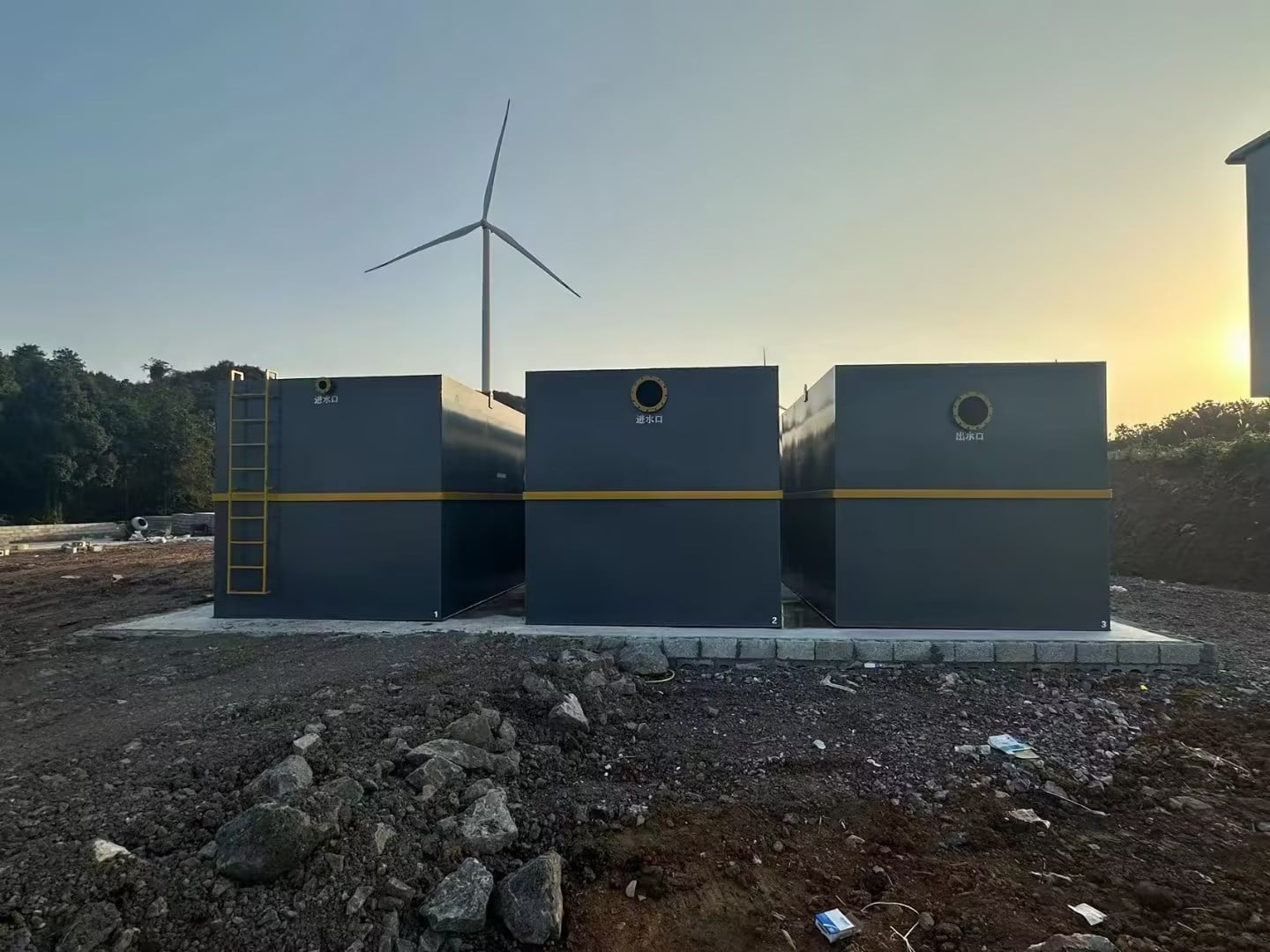
Equalization tanks serve as the foundation of reliable pharmaceutical effluent treatment planning. These systems buffer flow variability, stabilize pH, homogenize contaminant concentrations, and provide retention time for pre-treatment reactions. Proper sizing depends on characterizing your actual CIP and batch discharge patterns over multiple production cycles. The equalization volume should accommodate at least one full CIP cycle plus one batch discharge event, with additional safety margin for maintenance or unexpected operational disruptions.
Within equalization tanks, aeration and mixing are essential for pharmaceutical effluent treatment success. Mechanical mixing prevents settling of suspended solids while aeration reduces odor, aids in biological oxidation of certain organics, and maintains aerobic conditions. Many facilities underestimate the role of equalization in overall treatment cost—a well-designed equalization system with proper mixing can reduce downstream treatment chemical dosing by 15 to 25 percent by stabilizing pH and contaminant loads. Pharma operations should include instrumentation (pH probes, conductivity sensors, level controls) to monitor equalization performance in real-time.
Treatment Train Configuration for CIP and Batch Discharge
After equalization, pharmaceutical effluent treatment typically employs a staged approach combining physical, chemical, and biological processes. Initial stages often include primary treatment such as coagulation-flocculation to remove suspended solids, APIs, and colloidal materials. This reduces the organic load entering biological treatment, improving overall system stability. Secondary biological treatment (activated sludge, membrane bioreactors, or sequencing batch reactors) removes dissolved organics and nitrogen compounds. Tertiary polishing (sand filtration, activated carbon, or membrane filtration) ensures compliance with discharge limits.
Batch discharge often requires special consideration because its concentrated contaminant load can upset biological treatment systems. Many facilities implement parallel treatment pathways: routine CIP discharge flows to the main biological treatment system, while batch discharge is temporarily diverted to equalization with extended retention before entering treatment. This prevents biomass shock and maintains treatment stability. Pharma operations with highly variable batch chemistry (e.g., different products on different schedules) should evaluate segregation strategies to match treatment configurations to discharge characteristics.
Regulatory Compliance and Monitoring in Pharmaceutical Effluent Treatment
Meeting Discharge Limits and Documentation Requirements
Pharmaceutical effluent treatment must meet stringent environmental discharge permits that typically specify limits for suspended solids, chemical oxygen demand (COD), total nitrogen, specific APIs, and ecotoxicity indicators. Pharma facilities operating in regulated regions often face lower discharge thresholds than general industries because of pharmaceutical contamination concerns. Planning for compliance starts with understanding your specific permit conditions, which vary by location, receiving water body, and local environmental sensitivity.
Documentation of pharmaceutical effluent treatment performance is non-negotiable for regulatory standing. Facilities must maintain records of treatment system maintenance, chemical additions, monitoring results, and any excursions or adjustments. Many pharma operations implement automated data logging to track treatment performance continuously, creating an auditable record that regulators expect. Planning should include budget for regular third-party laboratory testing (typically monthly or quarterly), internal monitoring equipment, and staff training on sampling and documentation protocols.
Monitoring and Adaptive Management
Effective pharmaceutical effluent treatment planning includes provisions for ongoing monitoring and adaptive adjustments. CIP discharge composition can shift when formulations change, detergents are substituted, or cleaning protocols are modified. Batch discharge chemistry varies with product type, manufacturing changes, and seasonal shifts in raw material suppliers. Facilities should establish baseline performance metrics during initial commissioning, then conduct quarterly reviews to identify trends or emerging challenges.
Pharma operations benefit from establishing internal early-warning indicators that signal when treatment performance is degrading. For example, rising COD in treated effluent before it exceeds permit limits suggests biological treatment stress. Increasing chemical consumption during coagulation-flocculation may indicate equalization problems or upstream process changes. These signals enable proactive adjustments—increased aeration, equalization maintenance, biological treatment optimization—before compliance violations occur. Integration of monitoring data into facility management systems supports predictive maintenance and continuous improvement of pharmaceutical effluent treatment operations.
FAQ
What is the typical retention time required in equalization for pharmaceutical effluent treatment?
Equalization retention time typically ranges from 8 to 24 hours depending on the variability and volume of CIP and batch discharge. Facilities with frequent, high-volume batch discharges or highly variable CIP chemistry benefit from longer retention to achieve greater stabilization. The pharmaceutical effluent treatment system design should be based on site-specific discharge characterization rather than generic rules. Shorter retention (8 to 12 hours) works when discharge is relatively consistent; longer retention (18 to 24 hours) supports more aggressive batch discharge timing or chemistry variations.
Can equalization alone reduce pharmaceutical effluent treatment chemical dosing?
Yes, equalization significantly reduces the chemical dosing required in downstream pharmaceutical effluent treatment stages. By stabilizing pH and homogenizing contaminant concentrations, equalization allows coagulation-flocculation, biological treatment, and polishing stages to operate at more efficient, lower chemical doses. Pharma operations often observe 15 to 30 percent reductions in coagulant demand and improved biological treatment efficiency after implementing proper equalization. This translates to lower operating costs and more stable effluent quality, making equalization a cornerstone of cost-effective pharmaceutical effluent treatment design.
How should batch discharge be scheduled to support pharmaceutical effluent treatment planning?
Batch discharge scheduling should be coordinated with CIP cycles and treatment system capacity to prevent overwhelming the equalization or treatment train. Many pharma facilities adopt a policy of segregating batch discharge into dedicated time windows (e.g., end-of-shift or end-of-week) rather than allowing random discharges. Planning pharmaceutical effluent treatment infrastructure around predictable discharge windows reduces peak loading, improves treatment system stability, and simplifies compliance monitoring. Facilities should model their actual production schedule against treatment capacity to identify potential bottlenecks and adjust discharge timing, equalization size, or treatment train configuration accordingly.

 EN