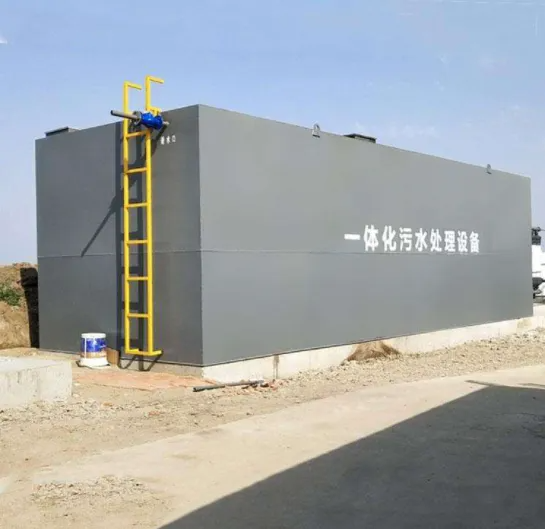
Selecting the right pharma wastewater treatment system requires far more than choosing equipment from a vendor catalog. The procurement process depends critically on understanding your facility's specific design inputs—the foundational parameters that determine whether a treatment solution will actually work, meet regulatory compliance, and justify its capital investment. Without clarity on these design inputs, procurement teams risk selecting oversized systems that waste operational budget, undersized units that fail compliance, or mismatched technologies that cannot handle your actual discharge characteristics.
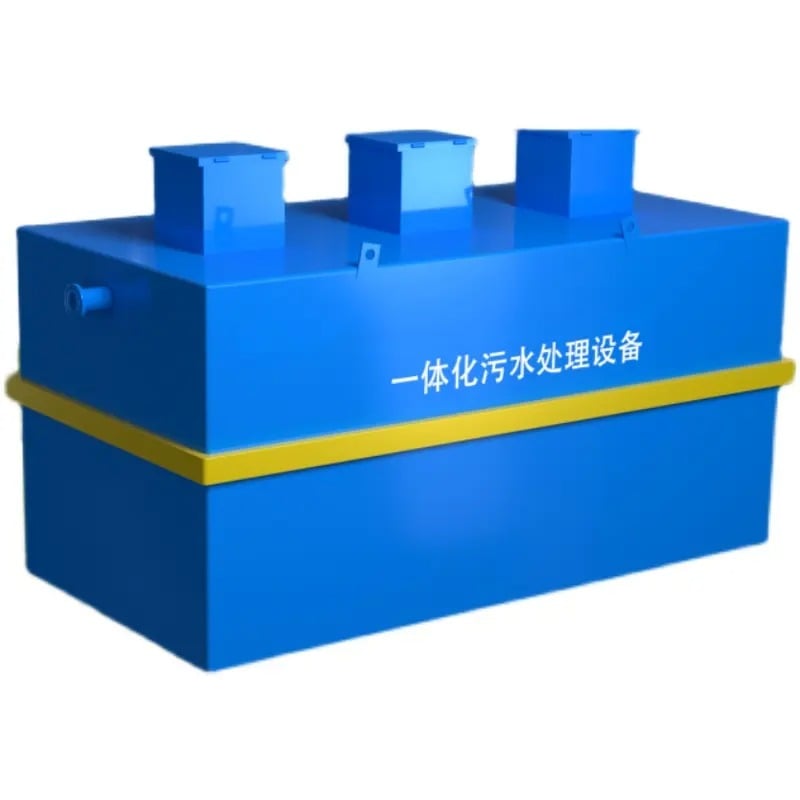
In pharmaceutical manufacturing, wastewater quality and quantity vary dramatically across production schedules, product portfolios, and batch processes. The design basis—the documented engineering assumption about what your system must treat—becomes your procurement anchor. It informs equipment sizing, technology selection, material compatibility, and cost modeling. Understanding which design inputs matter most prevents expensive revisions later and ensures your pharma facility remains compliant with environmental regulations.
Understanding Design Basis in Pharma Wastewater Treatment
What the Design Basis Actually Defines
The design basis is the set of engineering assumptions that define how your pharma wastewater treatment system must perform under normal and peak operating conditions. It includes expected flow rates, contaminant concentrations, variability factors, and regulatory discharge limits. This foundation drives every subsequent decision: tank volume, pump capacity, filtration surface area, aeration requirements, and chemical dosing rates. A poorly defined design basis forces vendors to oversize equipment or leaves gaps in treatment capability.
For pharmaceutical facilities, the design basis must account for batch operations, product changeovers, and seasonal demand fluctuations. Unlike continuous-process industries, pharma plants experience peak flows during washing cycles and periods of zero discharge during maintenance or product changes. The design basis captures these realities, allowing engineers to specify peak hourly flow, average daily flow, and annual variability. Without this clarity, procurement teams cannot evaluate whether an off-the-shelf unit will fit their actual operational rhythm.
Why Design Basis Shapes Equipment Selection
Once your design basis is documented, it becomes the technical requirement that filters vendor proposals. A system designed for 50 cubic meters per day cannot safely treat 80 cubic meters per day, nor will oversizing by three times deliver cost savings. The design basis ensures your procurement team compares apples to apples—each vendor proposal addresses the same inlet conditions, treatment targets, and discharge standards. This transparency reduces negotiation friction and prevents post-implementation disputes over system performance.
Critical Flow Parameters and Load Characteristics
Peak Flow Rate and Variability Factors
Flow rate is the most visible design input, yet it remains one of the most frequently underestimated in pharma procurement. Peak flow rate describes the maximum volume of wastewater your facility will generate in a single hour, while average flow represents typical daily discharge. For pharmaceutical operations, peak flow often occurs during equipment wash-down and batch cleanup—periods when water consumption spikes dramatically. Your design basis must distinguish between these conditions because treatment equipment must handle peak flow without exceeding design pressures or residence times.
Procurement teams should collect at least twelve months of operational flow data before finalizing design inputs. This historical record reveals seasonal patterns, identifies anomalies, and prevents assumptions based on theoretical maximum capacity. If your pharma facility operates in multiple shifts or runs seasonal products, the design basis must reflect this variability. Adding a safety factor—typically 1.2 to 1.5 times average flow—ensures the treatment system can absorb minor production increases without redesign.
COD Concentration and Organic Load
Chemical Oxygen Demand—COD—measures the organic and inorganic contaminants in your wastewater that consume oxygen during biodegradation. Pharmaceutical facilities discharge COD levels ranging from 500 to 5,000 mg/L depending on product types, manufacturing processes, and facility cleaning protocols. This COD concentration is a design basis input that directly affects treatment technology selection. A system designed for 1,000 mg/L COD will struggle with incoming waste at 3,000 mg/L, resulting in incomplete treatment and potential regulatory violations.
The design basis must document expected COD levels, not merely regulatory discharge limits. If your pharma facility manufactures antibiotics, the COD may be significantly higher than a facility producing tablets. Understanding this incoming COD—the actual contamination your system must process—allows procurement teams to select appropriate treatment technologies. Biological treatment, oxidation, or membrane filtration each handles different COD ranges with varying efficiency. Without COD data, vendors cannot guarantee treatment outcomes.
Regulatory Compliance and Discharge Standards
Effluent Limits and Local Environmental Requirements
Your design basis must explicitly reference applicable discharge limits for your facility's location. Different jurisdictions impose different COD limits, suspended solids thresholds, nitrogen and phosphorus restrictions, and sometimes pharmaceutical-specific parameters. In some regions, pharmaceutical effluent must meet pharmaceutical-specific standards beyond general industrial wastewater rules. Your procurement team must verify which standards apply and ensure the treatment system design achieves full compliance under all documented operating scenarios.
Regulatory change is also a design consideration. If your jurisdiction is tightening pharmaceutical wastewater standards, your design basis should anticipate future limits, not just current requirements. Many procurement professionals build in compliance margins—designing systems to achieve 30 percent better performance than minimum legal requirements—to absorb future regulatory shifts and buffer against process variability. This foresight prevents expensive retrofits or upgrades when regulations change.
Safety Margins and Future Capacity Planning
The design basis should include explicit safety margins and capacity reserves. If your pharma facility plans to expand production or add new product lines within five years, the treatment system should be sized accordingly. Building flexibility into the design basis prevents premature system obsolescence. Many procurement teams specify modular or expandable systems that can be upgraded without complete replacement, reducing long-term capital costs and operational disruption.
FAQ
What happens if my design basis is incomplete or inaccurate?
An incomplete design basis leads to specification mismatches, oversized or undersized equipment, technology failures, and regulatory non-compliance. Vendors will make assumptions to fill gaps, often conservative ones that inflate equipment costs. Inaccurate flow or COD data may require expensive retrofits or replacement within two to three years, wiping out procurement savings. Investing time upfront to gather accurate flow, COD, and regulatory data prevents far costlier problems later.
How do I document design basis for pharma wastewater treatment procurement?
Start by collecting twelve months of operational flow data, sample and analyze wastewater for COD and other contaminants, and verify applicable discharge regulations. Document peak hour flow, average daily flow, expected COD concentration, and required effluent limits. Include safety margins, anticipated production changes, and regulatory trends. Present this data to equipment vendors so they can confidently size and specify systems that match your actual requirements.
Should design basis include future growth scenarios?
Yes, absolutely. If your pharma facility anticipates production growth, geographic expansion, or new product lines within five years, the design basis should account for these scenarios. Building modular capacity or specifying expandable equipment now prevents replacement in a few years. Many procurement teams define a primary design case and secondary scenarios, allowing vendors to quote both base systems and upgrade options. This flexibility protects capital investment and ensures your treatment infrastructure grows with your business.

 EN