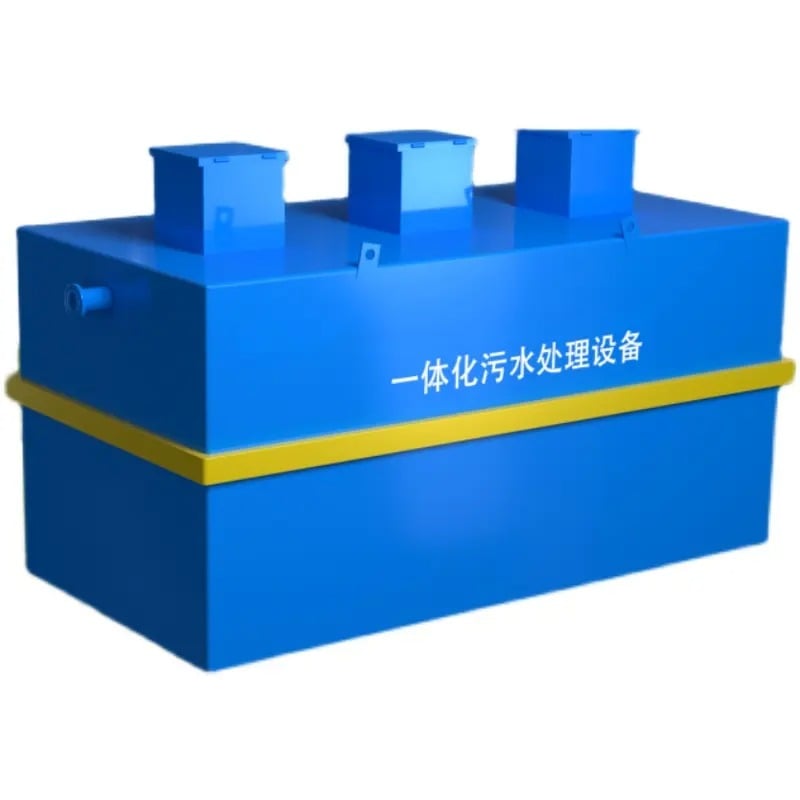
A packaged sewage treatment system represents a comprehensive, factory-built solution designed to handle wastewater processing at municipal, industrial, or commercial facilities. Unlike traditional site-built plants, these systems arrive largely assembled, yet critical pre-assembly work must be completed before delivery to ensure seamless installation and reliable performance. Understanding what components require pre-assembly—and why—is essential for project managers, facility operators, and procurement teams.
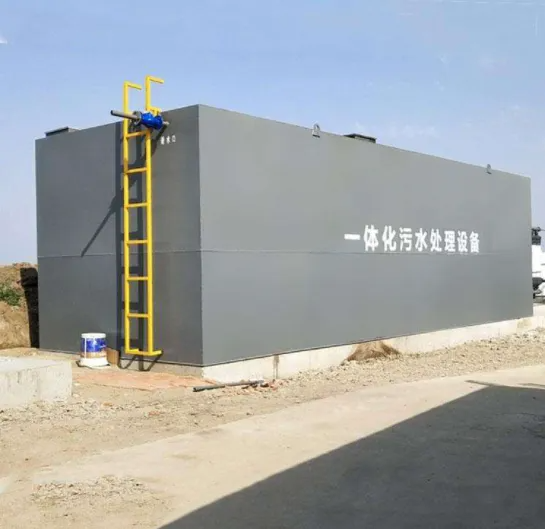
The delivery phase of a packaged plant marks a critical juncture in wastewater treatment project timelines. Facilities receiving these systems must be prepared to receive units that are partially pre-assembled while understanding which elements remain for on-site installation and commissioning. This preparation prevents costly delays, reduces installation errors, and accelerates the path to operational readiness.
Core Mechanical Assembly and Structural Integrity
Factory Pre-Assembly Standards for Packaged Plants
Modern packaged sewage treatment systems undergo rigorous factory pre-assembly to ensure structural soundness and baseline functionality before transport. The packaged plant framework—including treatment tanks, internal baffles, and primary settling chambers—is typically assembled and pressure-tested in controlled factory environments. This approach minimizes field assembly risks and reduces on-site labor requirements significantly.
Tank joints, welds, and structural connections are inspected for leakage and integrity before shipment. Manufacturers conduct hydrostatic testing to verify that all containment vessels meet design specifications. This pre-assembly phase ensures that when the packaged plant arrives at the installation site, the physical structure is ready for immediate positioning and connection to utilities.
Transportation and Receiving Preparation
Before delivery, site teams must verify that foundation pads are level, compacted, and capable of supporting the full operating weight of the packaged sewage treatment system. Pre-assembly planning includes confirming utility locations, drainage routes, and access routes for crane positioning. Dimensional verification ensures that the installed packaged plant will fit within available space and align with existing piping infrastructure.
Receiving teams should inspect for shipping damage and confirm that all components listed on the packing slip are present. This verification step prevents installation delays and ensures accountability before the pre-assembly responsibility transfers from manufacturer to facility operator.
Electrical Controls and Instrumentation Integration
Controls Configuration and Testing Requirements
The controls systems within a packaged sewage treatment system require careful pre-assembly coordination between the equipment manufacturer and the controls integrator. Programmable logic controllers (PLCs), sensor interfaces, and alarm systems must be configured, calibrated, and tested in the factory environment before shipment. This ensures that controls are operational upon delivery and reduces commissioning timelines.
Pre-assembly of controls includes verifying input/output mappings, testing sensor functionality, and validating alarm thresholds. Manufacturers program operational sequences for aeration cycles, sludge withdrawal, and feed rate adjustments according to design parameters. Factory testing of controls reduces on-site troubleshooting and accelerates the transition from installation to full operational status.
Instrumentation and Monitoring System Setup
Modern packaged plants include dissolved oxygen monitors, level sensors, and flow measurement devices. These instruments require pre-assembly calibration and integration into the overall controls system. Before delivery, the packaged plant's instrumentation should be tested to ensure accurate readings and reliable data transmission to central monitoring systems.
Documentation of all sensor calibration data, control logic diagrams, and system setpoints must accompany delivery. This technical package enables facility operators to understand system behavior from day one and provides reference points for future troubleshooting or optimization. Proper controls pre-assembly prevents operational confusion and ensures staff can manage the packaged sewage treatment system confidently.
Piping Connections, Valves, and Utility Integration
Internal and External Piping Pre-Assembly
The packaged plant typically arrives with internal recirculation piping, effluent return lines, and sludge handling pipes pre-assembled and pressure-tested. External connection points—including influent inlet, effluent outlet, and sludge removal ports—are prepared with standardized flanges or threaded connections for easy on-site linkage. Pre-assembly of piping reduces field assembly complexity and minimizes potential leak points.
Isolation valves, check valves, and bypass provisions are installed during pre-assembly to enable maintenance and emergency response. The packaged sewage treatment system's ability to remain operational during component maintenance depends on proper valve placement during factory pre-assembly. Isolation valve positioning allows technicians to service equipment sections without stopping the entire treatment process.
Installation and Utility Connection Readiness
Before delivery, site utilities must be assessed for alignment with the packaged plant's requirements. Electrical supply voltage, three-phase availability, and backup power capability must match system specifications. Water supply connections for equipment cooling and hydraulic systems require verification of flow rates and pressure ratings.
The packaged plant arrives ready for influent connections to existing collection systems and effluent routing to discharge points or reuse applications. Installation teams must verify that connecting pipes are correctly sized, properly sloped, and positioned to enable smooth integration. Pre-assembly coordination between the equipment supplier and installation contractor ensures that all parties understand connection requirements and can proceed efficiently.
FAQ
What components of a packaged sewage treatment system are always pre-assembled before delivery?
Factory pre-assembly typically includes the primary treatment tanks, internal baffles, baffle plates, and secondary settling chambers of the packaged plant. The packaged sewage treatment system's main vessel structure, welds, and pressure-tested containment are completed in the factory to ensure structural integrity. Pump systems, controls systems, and instrumentation are also largely pre-assembled to reduce field labor and minimize commissioning complexity.
Why is controls pre-assembly critical for a packaged plant's operational success?
Controls configuration during pre-assembly ensures that the packaged sewage treatment system arrives with validated operational logic, calibrated sensors, and tested alarm functions. Factory-tested controls reduce on-site commissioning time and enable immediate operation upon installation. Pre-assembly of controls also ensures consistency with design specifications and regulatory requirements, preventing the need for extensive field reprogramming.
What site preparation steps should occur before a packaged plant is delivered?
Before the packaged sewage treatment system arrives, facilities must prepare level, compacted foundation pads capable of supporting the full operating weight. Electrical service must be verified for voltage and phase requirements, and water supply availability must be confirmed. Access routes for crane positioning, utility connection points, and discharge routing must all be identified and prepared to enable rapid installation and pre-assembly integration with existing infrastructure.

 EN