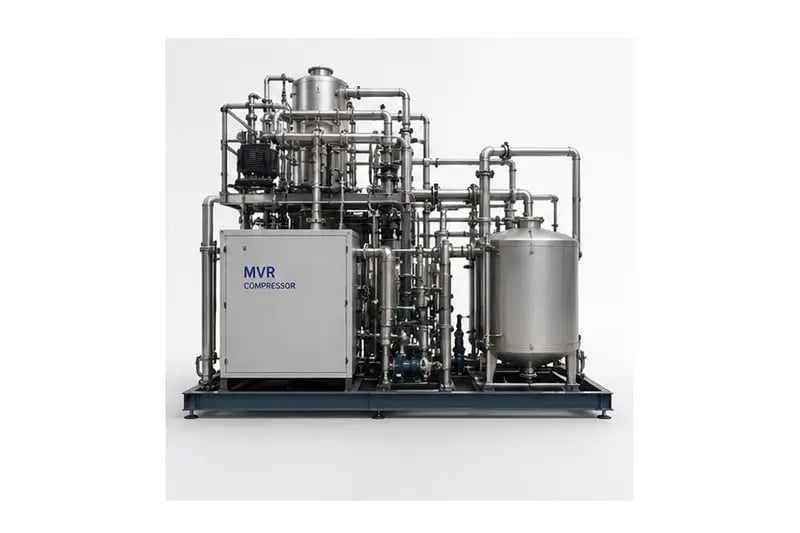
An mvr evaporator system represents a transformative approach to industrial wastewater management, combining mechanical vapor recompression technology with carefully orchestrated pretreatment, condensate management, and residue handling processes. This integration framework ensures that facilities can treat challenging waste streams while minimizing water loss, reducing operational costs, and meeting strict discharge regulations. Understanding how each component of the integration works together is essential for operators and facility managers seeking reliable, efficient wastewater solutions.
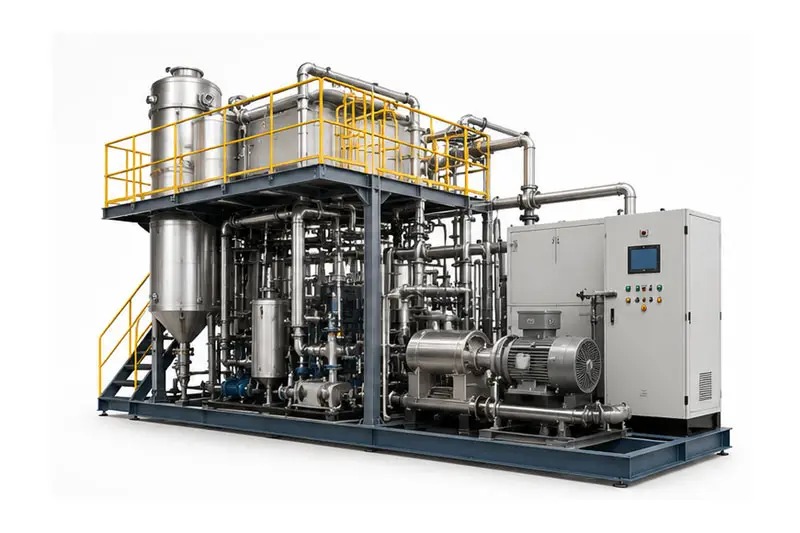
The success of any mvr evaporator system depends on seamless coordination across multiple functional stages. Proper integration ensures that incoming wastewater receives appropriate pretreatment, that condensate recovery maximizes water reuse, and that residue handling remains cost-effective and environmentally compliant. This article explores the technical and operational framework required to optimize your mvr evaporator system integration for peak performance.
Pretreatment Fundamentals in MVR System Integration
Why Pretreatment Matters for MVR Performance
Pretreatment is the critical first stage of any successful mvr evaporator system integration. Without adequate pretreatment, fouling, scaling, and membrane damage can compromise system efficiency and increase maintenance downtime. The pretreatment process removes suspended solids, adjusts pH, and eliminates potential fouling agents before wastewater enters the evaporation chamber. This protective approach extends equipment life and maintains consistent condensate quality throughout the integration cycle.
Different industrial waste streams require tailored pretreatment strategies. High-salinity wastewater may need chemical conditioning, while oil-contaminated streams require separation treatment. Effective pretreatment under your mvr evaporator system integration framework prevents costly operational interruptions and ensures the entire downstream chain—evaporation, condensate collection, and residue processing—operates smoothly without unexpected failures or quality degradation.
Key Pretreatment Technologies and Methods
Screen filtration and hydrocyclone separation form the backbone of most pretreatment configurations within an mvr evaporator system. These mechanical processes remove particles before they can accumulate in heat exchangers or evaporator chambers. Chemical pretreatment adds another layer, using coagulants and flocculants to bind small colloids into larger, filterable particles. pH adjustment ensures that the wastewater chemistry aligns with the optimal operating range of your mvr evaporator system integration, preventing corrosion and enhancing subsequent treatment stages.
Multi-stage pretreatment configurations often employ cartridge filtration as a final polishing step before the wastewater enters the mvr evaporator system. This staged approach reduces the risk of membrane fouling and extends service intervals. Operators should select pretreatment equipment matched to their specific waste characteristics and integrate monitoring points that verify treatment effectiveness before wastewater proceeds to the evaporation stage.
Condensate Management and Recovery Integration
Condensate as a Valuable Recovered Resource
Condensate recovery within an mvr evaporator system integration represents both an environmental benefit and a direct cost reduction mechanism. As wastewater evaporates under vacuum, the vapor is compressed, cools, and condenses into high-purity water. This condensate can be reused for process cooling, cleaning, or returned to the treatment system, dramatically reducing freshwater consumption and disposal volume. Proper condensate management transforms the mvr evaporator system from a waste containment tool into a water recovery resource, aligning operations with circular economy principles and regulatory sustainability mandates.
The quality of recovered condensate depends heavily on upstream pretreatment effectiveness and operating parameters within the mvr evaporator system integration. Most facilities achieve condensate purity suitable for non-potable reuse immediately upon recovery. Some operations polish condensate further through secondary treatment stages if downstream applications demand higher purity standards, maximizing the economic value of the recovered water stream.
Condensate Polishing and Reuse Protocols
Condensate polishing within your mvr evaporator system integration may involve activated carbon filtration, ion exchange, or UV treatment depending on target reuse applications. A well-designed integration circuit routes condensate through quality verification points where operators confirm salinity, pH, and microbial load before directing it to storage or reuse systems. This closed-loop approach minimizes environmental impact while reducing freshwater demand and wastewater discharge volumes simultaneously.
Integration protocols should specify condensate recirculation options, storage duration limits, and quality thresholds for different reuse pathways. Real-time monitoring of condensate flow and quality parameters allows facility managers to optimize the mvr evaporator system integration performance, identify potential treatment deviations early, and adjust operating conditions to maintain consistent water recovery rates across seasonal variations.
Residue Handling and Disposal Within the Integration Framework
Residue Characterization and Treatment Preparation
The residue produced by an mvr evaporator system represents the concentrated solids and dissolved minerals remaining after water evaporation. Characterizing this residue is essential for selecting appropriate disposal or treatment pathways within your integration framework. Salts, metals, organic compounds, and other contaminants concentrate in the residue, requiring careful management to comply with environmental regulations and optimize disposal economics. Understanding residue composition allows facility operators to explore potential recovery value or identify suitable disposal venues aligned with their integration design.
Residue treatment options integrated into the mvr evaporator system range from direct landfill disposal to advanced recovery processes. Some facilities employ crystallization stages to separate recoverable salts from hazardous components, reducing disposal volume and creating marketable byproducts. Others route residue to specialized waste processors equipped to handle high-salinity or chemically complex materials. The residue handling strategy must balance regulatory compliance, disposal cost, environmental responsibility, and recovery potential within your overall integration model.
Residue Handling Equipment and Best Practices
Effective residue management within an mvr evaporator system integration typically includes residue collection tanks, thickening stages, and dewatering equipment. Some integration configurations employ evaporative crystallizers that further concentrate residue into dry cake form, dramatically reducing transportation volume and disposal cost. Dewatering equipment such as centrifuges or filter presses separates moisture from solid residue, creating a more stable product suitable for long-term storage or transport to specialized waste management facilities.
Integration design should include residue monitoring, volume tracking, and disposal documentation systems that maintain compliance with local and national regulations. Operators benefit from regular residue characterization testing to confirm composition stability and identify any operational changes affecting residue quality. Integrating residue handling into the overall mvr evaporator system operational budget ensures that disposal costs remain predictable and facilities can justify the capital investment through total cost of ownership calculations spanning multiple years of operation.
FAQ
What is the primary advantage of integrating pretreatment with an MVR evaporator system?
The primary advantage is preventing fouling and scaling that would otherwise damage the mvr evaporator system and reduce efficiency. Integrated pretreatment removes suspended solids and adjusts chemistry before wastewater enters the evaporation chamber, extending equipment life, reducing maintenance costs, and maintaining consistent treatment performance. This protection cascades through the entire integration framework, ensuring reliable condensate recovery and predictable residue handling throughout the system's operational life.
Can condensate from an MVR evaporator system be safely reused in industrial processes?
Yes, condensate recovered from an mvr evaporator system can be safely reused in many industrial applications, particularly non-potable processes such as cooling water or cleaning. The quality depends on upstream pretreatment effectiveness and the specific contaminants present in the original wastewater. Most facilities achieve condensate purity suitable for direct reuse without additional polishing, though some integrate secondary treatment stages to meet stricter application requirements, maximizing water recovery value within the integration framework.
How should residue from an MVR evaporator system be managed to ensure regulatory compliance?
Residue management must follow local and national environmental regulations, which typically require proper characterization, documentation, and disposal routing. An mvr evaporator system integration should include residue monitoring, volume tracking, and testing protocols that confirm disposal method suitability. Many facilities explore recovery options such as salt crystallization or specialized waste processing partnerships that reduce disposal volume while maintaining full regulatory compliance and potentially creating revenue from recovered byproducts.

 EN