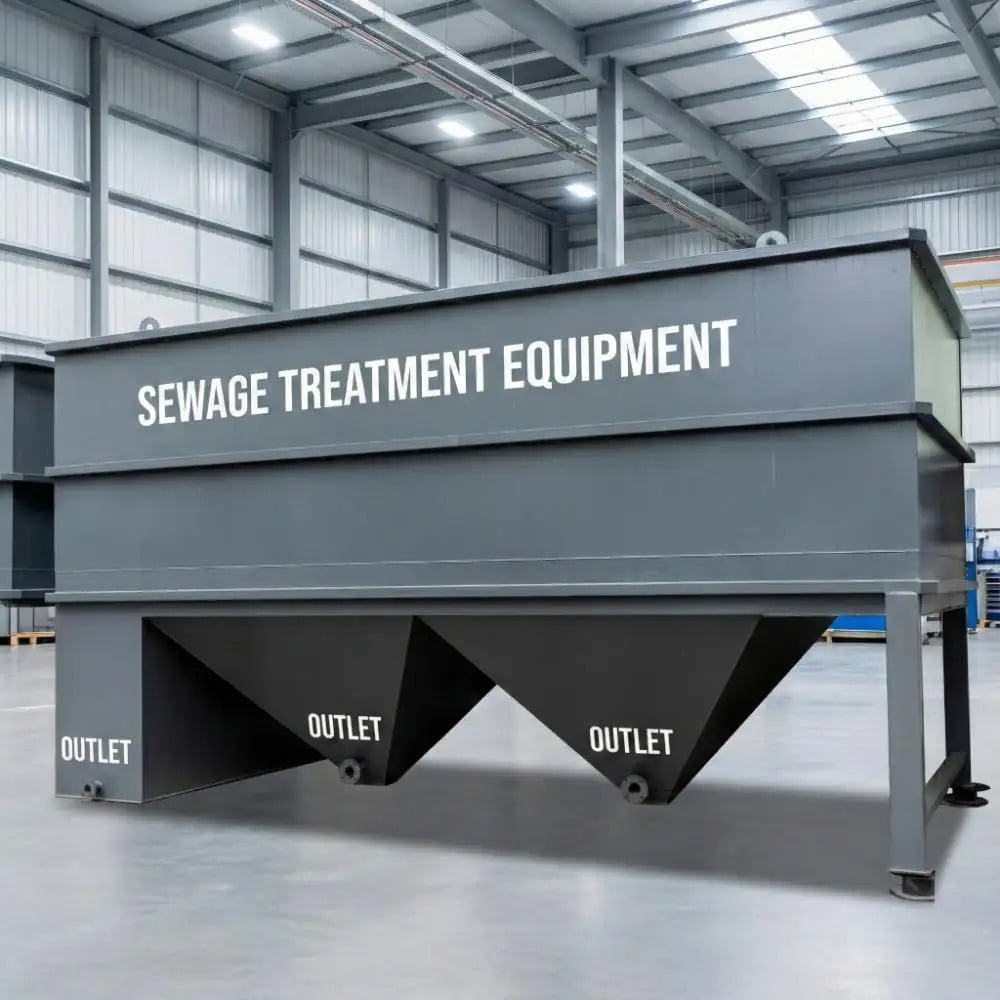
Traditional wastewater treatment plants demand extensive on-site construction, lengthy timelines, and substantial civil work investment. A modular wastewater treatment system transforms this approach by delivering pre-engineered, factory-built treatment units that significantly minimize site disturbance and accelerate project deployment. Organizations across industrial, commercial, and municipal sectors are discovering that modular solutions reduce construction complexity, lower labor costs, and enable faster operational readiness compared to conventional fixed installations.
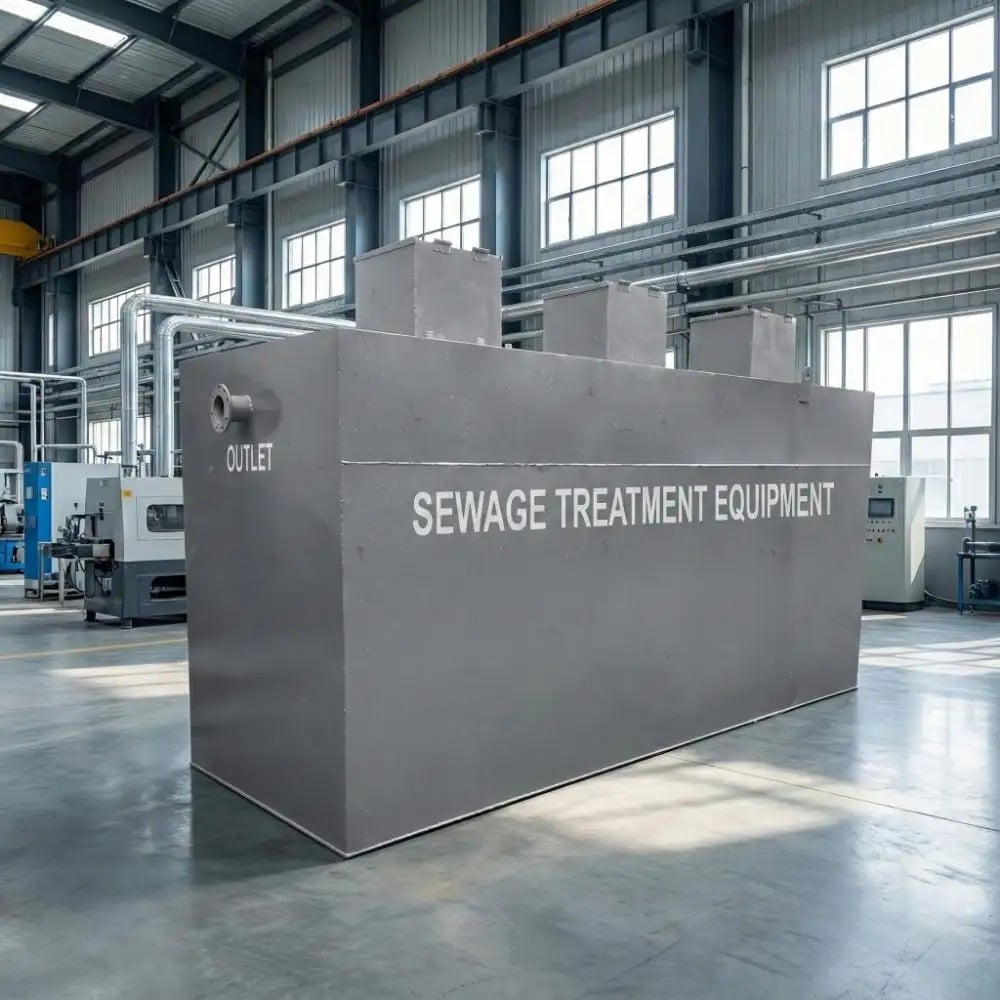
The modular approach fundamentally shifts project economics and execution risk. Pre-assembled treatment units arrive on-site fully tested and calibrated, ready for rapid connection and startup. This factory-controlled quality eliminates the uncertainty of traditional field construction, where coordination challenges, weather delays, and skilled labor shortages frequently extend timelines and inflate costs. Understanding how modular design principles achieve these advantages requires examining the core mechanisms of reduced civil work, streamlined installation protocols, and accelerated commissioning workflows.
How Modular Design Minimizes Civil Work Requirements
Pre-Built Infrastructure Reduces On-Site Excavation
Traditional wastewater treatment facilities require extensive civil work including deep excavation, concrete foundation pours, structural reinforcement, and utility line coordination. Each phase demands multiple trades, sequential scheduling, and site management overhead. Modular units arrive as self-contained skid-mounted assemblies that eliminate most excavation and foundation complexity. A single concrete pad, properly graded and compacted, often suffices for unit placement. This dramatic reduction in civil work translates directly to shorter project schedules, reduced heavy equipment mobilization, and lower site labor demands.
Standardized Footprints Enable Rapid Site Preparation
Modular systems use consistent dimensional standards that align with transport regulations and standard equipment specifications. Site teams know precise foundation dimensions and utility connection points before equipment arrives. This pre-engineering eliminates guesswork, rework, and the extended site surveys that characterize traditional fixed installations. Civil work becomes predictable, budget-friendly, and schedulable. Contractors can prepare sites in parallel with equipment manufacturing, compressing overall project duration and reducing site idle time.
Installation Efficiency Through Plug-and-Play Design
Factory-Tested Units Arrive Ready for Connection
Every component within a modular wastewater treatment system undergoes rigorous factory testing before shipment. Pumps operate, piping connections seal, control systems respond, and treatment processes function as designed. Installation teams connect pre-tested modules to utilities and inter-unit piping rather than assembling and troubleshooting components in harsh field conditions. This plug-and-play approach eliminates months of on-site assembly, testing, and debugging. Defects are caught and resolved in controlled factory environments where expertise, tools, and replacement parts are immediately available.
Simplified Utility Connections Accelerate Mobilization
Modular installation protocols standardize electrical, water intake, and discharge connections around common industry interfaces. Engineering teams specify connection requirements in advance, allowing site utilities to be staged and inspected before module arrival. Plumbing connections follow simple, documented procedures using industry-standard fittings. Electrical integration connects to pre-wired control panels using recognized protocols. This standardization eliminates custom field fabrication, reduces coordination delays, and enables faster operational readiness. Installation crews complete connections, perform basic startup procedures, and transition to commissioning within days rather than months.
Accelerated Commissioning and Operational Ramp-Up
Pre-Calibrated Systems Begin Productive Service Rapidly
Commissioning transforms a connected system into reliable, compliant wastewater treatment performance. Factory-pre-calibrated modular units require only site-specific parameter adjustment and performance validation rather than complete system tuning. Treatment process parameters, control setpoints, and monitoring sensors arrive factory-configured and verified. Commissioning activities focus on confirming performance under actual site conditions, optimizing chemical dosing, and validating compliance metrics. This targeted commissioning approach compresses startup timelines from months to weeks, allowing facilities to begin revenue generation or environmental compliance immediately.
Reduced Personnel Requirements During Operations
Modular systems integrate controls, monitoring, and diagnostics into compact management platforms. Operators monitor treatment performance, adjust parameters, and respond to alerts through unified digital dashboards rather than coordinating across dispersed equipment locations. This operational efficiency reduces on-site staffing requirements, lowers training complexity, and improves response consistency. Facilities achieve rapid peak treatment capacity with lean operational teams, generating immediate cost benefits and enabling faster route-to-profitability for industrial and commercial installations.
FAQ
What types of civil work are truly eliminated by modular systems?
Modular solutions eliminate deep structural excavation, concrete tank construction, pipe field installation, and custom structural framing. Sites require only foundation preparation, utility line routing, and inter-module connection piping. However, basic site grading, permitting, and environmental compliance work remain necessary regardless of treatment approach. Civil work reduction typically achieves 60-80% savings compared to conventional fixed installations.
How does modular installation reduce project risk?
Factory manufacturing controls quality, uses skilled labor, and operates in optimal conditions where testing and rework are predictable. Field delays from weather, labor shortages, or design conflicts become minimal. Pre-tested units eliminate performance uncertainty. Standardized connections reduce coordination complexity. These factors combine to make modular projects predictable, schedulable, and less vulnerable to the cost overruns and timeline extensions common in traditional field construction approaches.
Can existing facilities upgrade to modular wastewater treatment systems?
Yes, modular units integrate into existing infrastructure or replace failing conventional systems. Upgrade projects benefit from the same civil work reduction, installation efficiency, and commissioning acceleration as new installations. Facilities can phase implementation, bringing modules online incrementally to maintain treatment continuity during transitions. This flexibility makes modular approaches attractive for aging facility upgrades and capacity expansions.

 EN