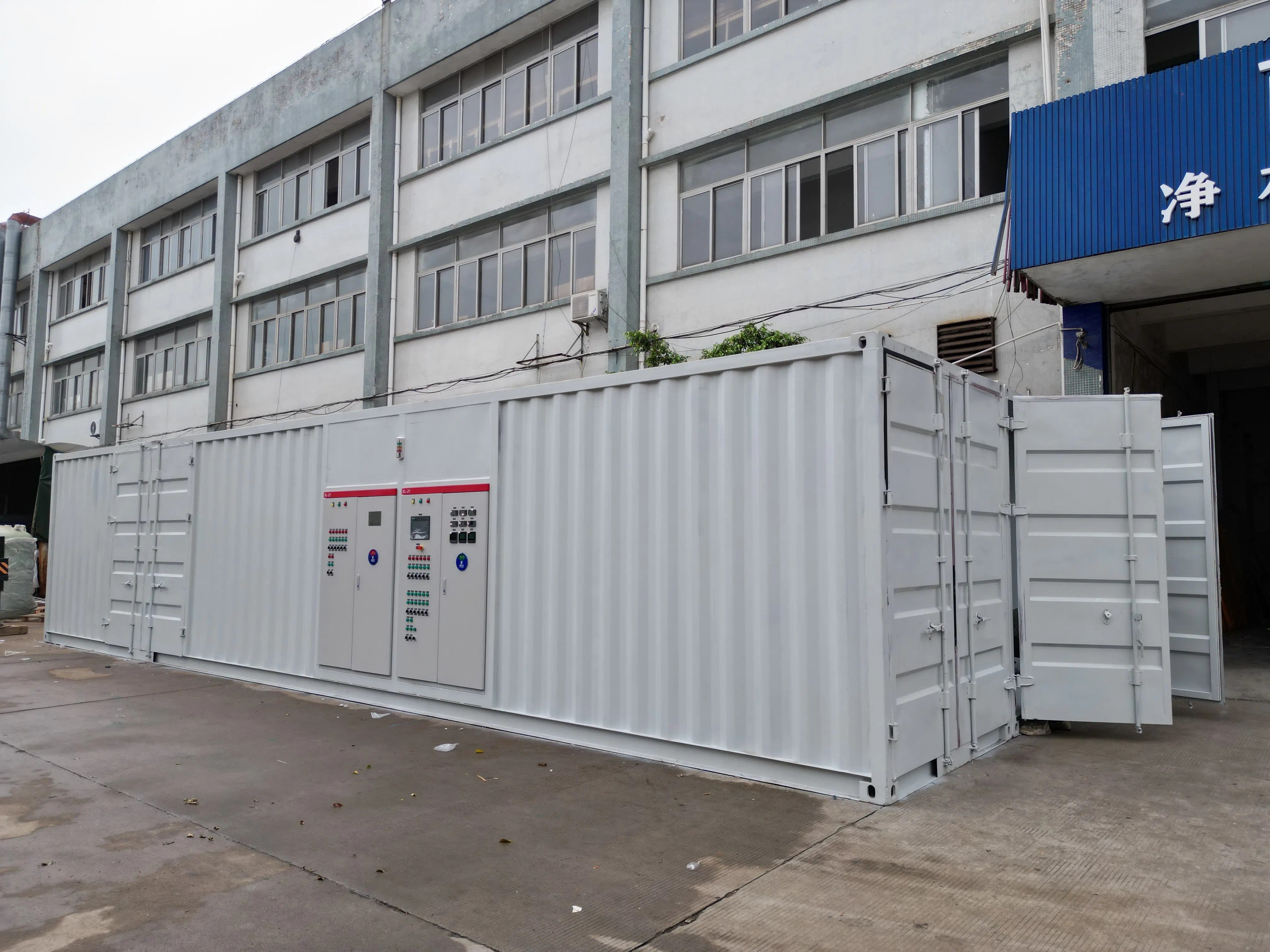
A mobile water treatment system represents a critical infrastructure solution for industrial operations, remote facilities, and emergency response scenarios where permanent treatment infrastructure is either impractical or temporarily unavailable. Successful deployment of a mobile water treatment system requires careful planning across multiple technical and logistical dimensions. The decisions you make during the planning phase directly impact operational efficiency, treatment reliability, and total cost of ownership throughout the system's service life.
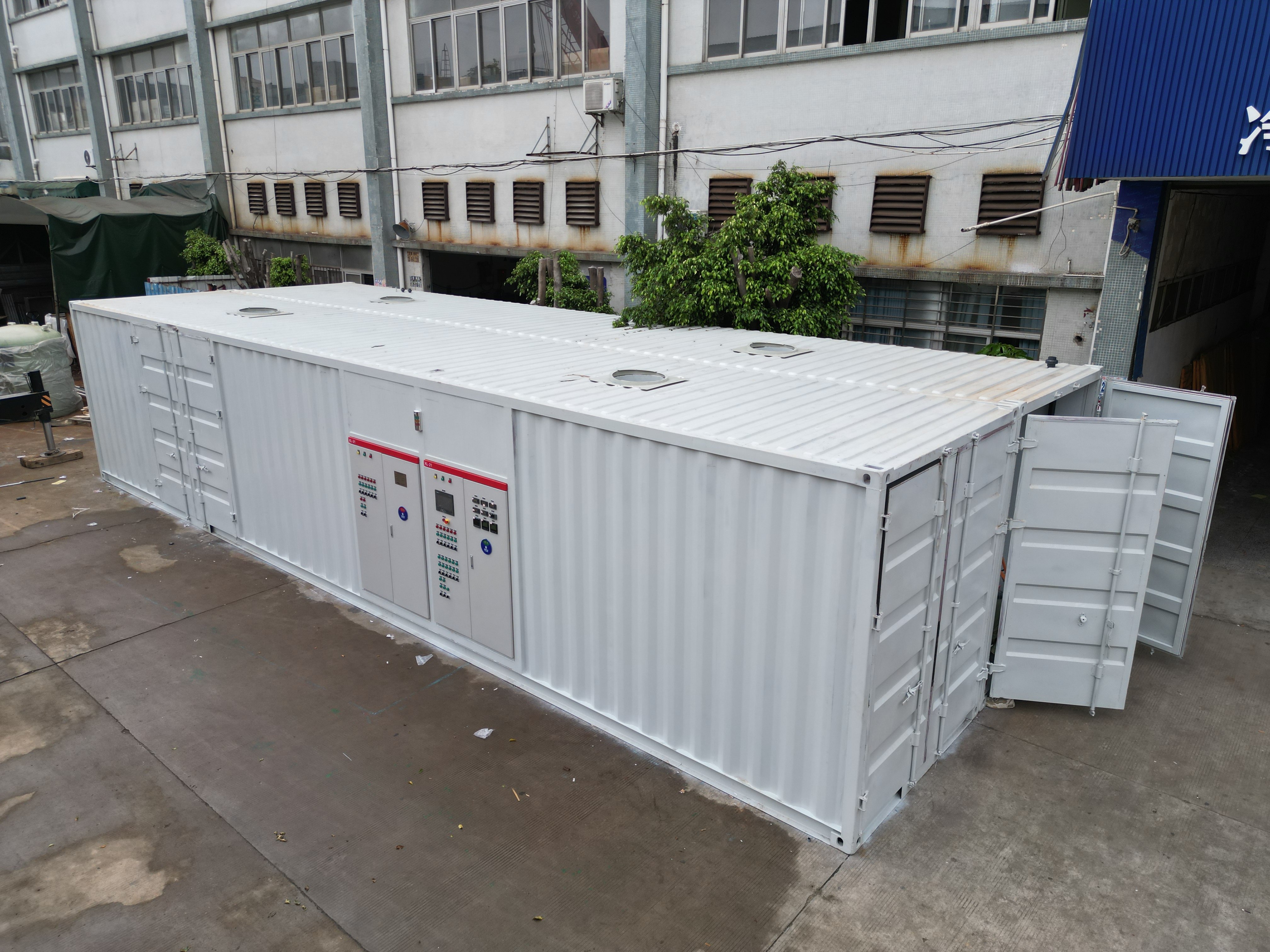
Planning a mobile water treatment system involves understanding how feed water characteristics, available power infrastructure, and site-specific deployment constraints interact to shape your final system configuration. This comprehensive guide addresses the three pillars of effective mobile deployment: feed water quality assessment, power capacity planning, and realistic deployment logistics. Understanding these elements before you make procurement or installation decisions significantly reduces operational risk and ensures your investment delivers consistent results.
Understanding Feed Water Quality Requirements
Assessing Raw Water Source Characteristics
The feed water entering your mobile water treatment system establishes the foundation for all downstream treatment processes. Raw water sources vary dramatically in suspended solids content, dissolved mineral concentration, organic loading, microbial presence, and chemical contamination profiles. Before selecting treatment equipment, you must conduct comprehensive feed water testing that includes turbidity, total dissolved solids, hardness, pH, alkalinity, iron and manganese levels, and microbial indicator testing. This baseline assessment prevents costly mismatches between raw water characteristics and treatment technology capabilities.
Feed water quality testing should occur across multiple seasons and operational conditions if your facility experiences flow variation or environmental changes. A sample collected during low-flow periods may misrepresent the actual contaminant load during peak operations or heavy precipitation events. Industrial sites drawing water from municipal supplies typically face lower microbial risk but higher mineral content, while ground sources often require iron and manganese removal despite lower turbidity. Construction sites and disaster-response scenarios may involve highly variable feed water quality that demands flexible treatment configurations supporting multiple pre-treatment stages.
Matching Treatment Stages to Feed Water Profile
Feed water characteristics directly dictate whether your mobile system requires multi-stage treatment or can function with simplified processing. High-turbidity sources demand effective sediment removal through clarification or multimedia filtration before secondary treatment stages. Feed water containing dissolved iron and manganese requires oxidation and precipitation followed by media filtration to prevent downstream fouling. Saline or mineralized feed water may necessitate specialized membrane technologies if the final product water must meet stringent quality standards. By matching treatment stages precisely to your feed water profile, you avoid overdimensioning equipment that increases capital cost and operational complexity without proportional benefit.
The residence time within each treatment stage must also reflect feed water characteristics. Fast sand filters and clarifiers achieve better contaminant removal when feed water turbidity allows adequate settlement time. Reverse osmosis membranes require appropriate pre-filtration depth when feed water carries suspended solids, preventing premature fouling and extending membrane life. A mobile system designed without clear understanding of feed water quality often requires retrofitting or augmentation shortly after deployment, creating operational disruptions and budget overruns.
Power Requirements and Infrastructure Planning
Calculating Peak and Average Power Demand
Power availability represents one of the most frequently underestimated deployment constraints for mobile water treatment systems. Treatment processes including filtration, membrane separation, chemical dosing, and water circulation all require electrical input, and peak power demand often exceeds average consumption significantly. A mobile system operating centrifugal pumps, high-pressure RO equipment, and automated dosing controls simultaneously may require 50–150 kW during normal operation, with startup surge demands potentially 20–30 percent higher. Without adequate power infrastructure assessment, site managers face equipment brownouts, inefficient operation, and potential treatment failures during peak demand periods.
Calculating realistic power demand requires itemizing every motor, electric heating element, instrumentation device, and control system component. Pump horsepower ratings provide starting points, but actual power consumption depends on operating pressure, flow rate, and system configuration. A submersible feed pump rated for 5 horsepower operating at partial flow draws substantially less power than peak capacity calculations suggest. By modeling power profiles across typical operating scenarios, you can match your site infrastructure to actual requirements rather than theoretical maximums, optimizing investment while preventing capacity shortfalls.
Evaluating Power Source Options
Mobile sites rarely benefit from consistent grid power availability, making alternative power solutions essential components of deployment planning. Generator-powered systems provide immediate and portable solutions but introduce fuel supply dependencies, maintenance requirements, and ongoing operational costs. Solar arrays combined with battery storage reduce fuel consumption on sites with adequate solar exposure but require larger installation footprints and complex charge management systems. Some industrial sites can leverage existing backup power infrastructure designed for primary operations, while remote or emergency-response locations must establish dedicated mobile power capacity alongside the treatment system itself.
Power infrastructure decisions fundamentally shape deployment flexibility and operational economics. A mobile system designed to operate on modest grid power can deploy to any facility with standard electrical service, while a system requiring dedicated generation remains dependent on fuel delivery and equipment reliability. Hybrid approaches combining grid power where available with backup generation provide maximum flexibility but add control complexity and cost. Your power planning must reconcile system capabilities, site infrastructure reality, and the operational budget allocated for fuel or alternative energy management.
Deployment Constraints and Logistics Management
Assessing Physical Installation Requirements
Physical deployment constraints extend far beyond simply parking a mobile unit on site. Access roads must accommodate transport vehicles or heavy equipment carriers required to move the treatment system into position. Site foundations or pad preparation may be necessary depending on soil conditions, weight distribution, and local regulations. Temporary piping infrastructure connecting the mobile system to feed water sources and discharge points must be planned, installed, and tested before operational startup. Many deployment delays occur not because the treatment equipment fails but because site infrastructure remains incomplete when the mobile system arrives, forcing idle periods and schedule slippage.
Environmental conditions at deployment sites significantly influence installation timelines and operational performance. Extreme temperatures affect chemical viscosity, treatment kinetics, and equipment performance. High-altitude sites alter air pressure, affecting aeration efficiency and vacuum-based applications. Coastal or corrosive environments accelerate equipment deterioration unless materials are specifically selected for durability. By assessing these deployment constraints before equipment procurement, you can specify corrosion-resistant materials, temperature-appropriate designs, and environmental controls that maintain performance reliability throughout the system's service life.
Managing Operational Transition and Staffing
Deployment constraints extend into the operational phase as training, staffing, and knowledge transfer shape long-term treatment success. Mobile systems require qualified operators capable of monitoring feed water quality, adjusting chemical dosing, maintaining filtration media, and responding to equipment anomalies. Sites lacking internal technical capacity must arrange contractor support or invest in comprehensive training programs before the mobile system becomes operational. Standard operating procedures specific to your installation, feed water characteristics, and power infrastructure must be documented and tested to ensure consistent performance across staff transitions.
Effective deployment planning incorporates realistic assessment of operational support availability. Remote sites with limited technical resources may require redundant systems, simplified automation, or satellite-based remote monitoring to ensure reliable performance during extended periods between service visits. Industrial facilities with robust maintenance teams can leverage more complex systems offering greater flexibility and efficiency. Matching system sophistication to available operational expertise prevents implementation failures where technically advanced equipment remains underutilized due to staffing limitations or knowledge gaps.
FAQ
What feed water testing should precede mobile water treatment system selection?
Comprehensive feed water testing must include turbidity, total dissolved solids, hardness, pH, alkalinity, iron, manganese, and microbial indicators. Testing should occur across multiple seasons and operational conditions to capture realistic variation in raw water quality. This baseline assessment ensures your mobile system configuration matches actual contaminant profiles rather than generic assumptions.
How does power planning influence mobile deployment success?
Inadequate power infrastructure represents a leading cause of mobile system underperformance and operational failures. You must calculate peak power demand during simultaneous operation of all equipment components, then verify that available power sources including grid service, generators, or renewable systems can sustain these loads continuously. Undersized power capacity forces operational throttling, reduced treatment capacity, or complete shutdown during periods of peak demand.
What deployment constraints most commonly delay or prevent successful mobile system operation?
Physical access limitations, inadequate site foundation preparation, incomplete temporary piping infrastructure, and insufficient operator training represent the most frequent deployment obstacles. Additionally, underestimating power requirements, failing to address harsh environmental conditions, and overlooking chemical storage or waste disposal needs frequently emerge as deployment challenges. Thorough planning addressing all three constraint categories significantly reduces implementation risk and operational disruption.

 EN