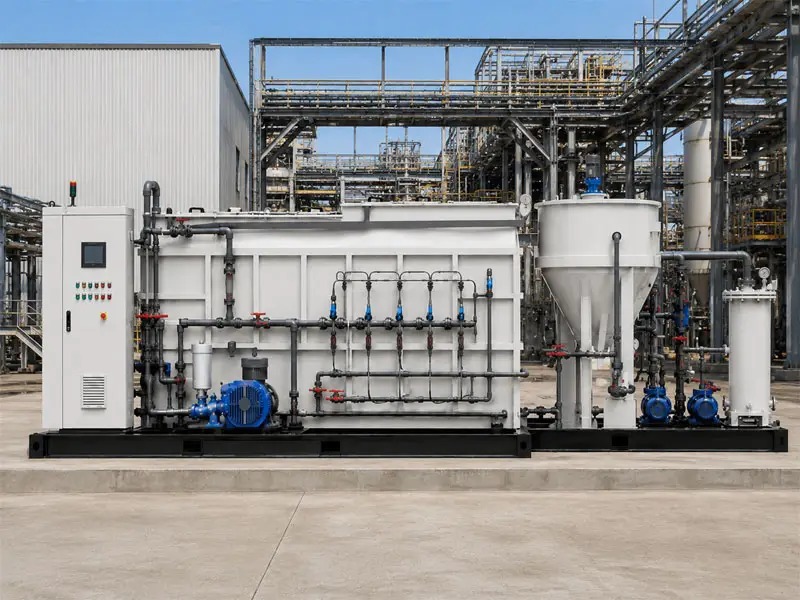
Construction sites, mining operations, emergency response situations, and industrial facilities often face urgent wastewater management challenges that cannot wait for permanent infrastructure installation. A mobile wastewater treatment system addresses these time-sensitive demands by delivering treatment capacity exactly when and where it is needed most. Unlike conventional fixed installations that require months of planning, permitting, and construction, mobile treatment solutions enable rapid deployment and operational readiness within days.
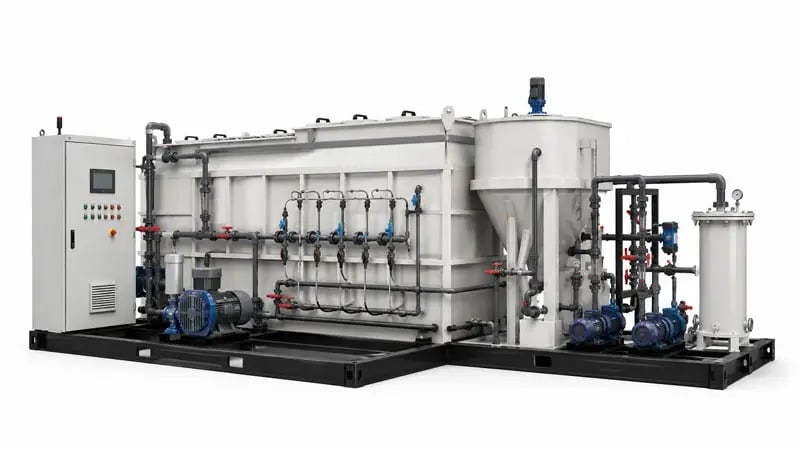
The decision to deploy a mobile treatment solution hinges on matching project characteristics with the strategic advantages of portable technology. Organizations managing temporary facilities, working in geographically isolated environments, or responding to environmental emergencies find that rapid deployment capabilities deliver measurable business and compliance benefits. Understanding which project types benefit most from mobile treatment ensures efficient resource allocation and successful wastewater management outcomes.
Project Duration and Deployment Timeline
Short-Term and Seasonal Operations
Projects with defined end dates represent ideal candidates for mobile treatment deployment. Construction activities typically span months to a few years, making permanent wastewater infrastructure economically inefficient. Seasonal operations in agricultural, food processing, and event management sectors generate significant wastewater flows during active periods but require minimal treatment capacity during dormant months. Mobile treatment systems eliminate the capital waste associated with permanently built facilities that sit idle for extended periods, while rapid deployment ensures compliance from project day one.
Emergency Response and Disaster Recovery
Environmental disasters, industrial accidents, and infrastructure failures create immediate wastewater treatment emergencies where rapid deployment becomes critical. Flooding events, chemical spills, and facility failures generate urgent treatment demands that cannot tolerate construction delays. Mobile systems activate treatment within days rather than months, preventing environmental contamination and regulatory penalties. The ability to establish compliant wastewater handling before permanent repairs or reconstruction begin protects both environmental integrity and operational credibility during crisis situations.
Geographic and Accessibility Challenges
Remote and Off-Grid Locations
Remote sites lack access to municipal wastewater infrastructure, forcing facility operators to develop independent treatment capacity. Mining operations, forestry projects, remote construction sites, and isolated industrial facilities operate far from conventional municipal connections. Mobile treatment solutions overcome geographic constraints by delivering complete treatment capability to remote locations without requiring extensive pipeline construction or infrastructure extension. Rapid deployment to remote site operations eliminates months of site preparation and reduces logistics complexity inherent in delivering traditional fixed treatment equipment.
Space Constraints and Urban Operations
Urban construction projects, retrofit operations, and densely developed facilities often lack space for permanent treatment infrastructure. Mobile treatment's containerized design enables installation in confined areas, parking lots, and temporary staging zones where traditional treatment plants cannot fit. Rapid deployment advantages prove particularly valuable in time-sensitive urban projects where construction windows remain tight and delays directly impact project profitability. The ability to install treatment capacity quickly in space-limited environments provides operational flexibility impossible with conventional fixed-footprint systems.
Regulatory Compliance and Cost Management
Compliance Requirements and Environmental Permits
Regulatory agencies require documented wastewater treatment compliance from project initiation, making rapid deployment essential for maintaining environmental permits. Mobile treatment systems enable immediate compliance establishment without waiting for permanent infrastructure completion. Projects operating under strict environmental oversight, including those near sensitive waterways or protected ecosystems, cannot defer treatment responsibility while permanent facilities are constructed. Rapid deployment capabilities ensure uninterrupted compliance throughout temporary operations, protecting project viability and avoiding regulatory shutdown scenarios.
Capital Efficiency and Financial Decision-Making
Temporary and remote site projects generate temporary treatment demand, making permanent infrastructure financially illogical. Mobile treatment deployment offers rental or lease options that distribute costs across project duration rather than requiring massive upfront capital investment. Projects with uncertain duration, variable wastewater volumes, or seasonal demand patterns benefit significantly from mobile treatment's cost flexibility. Rapid deployment timing enables organizations to scale treatment capacity to actual operational needs rather than overbuilding permanent infrastructure for peak scenarios that may never materialize.
FAQ
What types of projects most commonly require mobile treatment solutions?
Construction sites, mining operations, temporary industrial facilities, disaster response efforts, and remote location projects represent the primary candidates for mobile wastewater treatment system deployment. Any operation with defined duration, geographic isolation, or emergency circumstances benefits from rapid deployment capabilities. Food processing operations during seasonal peaks, event venues requiring temporary facilities, and infrastructure renewal projects also frequently utilize mobile treatment systems.
How does rapid deployment provide regulatory advantages?
Rapid deployment enables wastewater compliance from day one of operations, preventing regulatory violations during construction or startup phases. Mobile treatment systems achieve operational status within days, allowing projects to maintain continuous environmental compliance throughout temporary operations. Permitting agencies recognize mobile treatment as legitimate compliance solution, eliminating the regulatory gap period between project startup and permanent infrastructure completion that creates significant risk exposure.
Can mobile treatment systems serve extended or long-term operations?
While mobile treatment addresses both temporary and longer-term remote site applications, permanent installations prove more economical for truly long-term operations exceeding five to seven years. Mobile systems deliver superior value when deployment speed, operational flexibility, and geographic accessibility outweigh permanent infrastructure advantages. Extended remote site operations, facilities with uncertain duration, and locations expecting eventual permanent infrastructure installation all represent viable long-term mobile treatment applications.

 EN