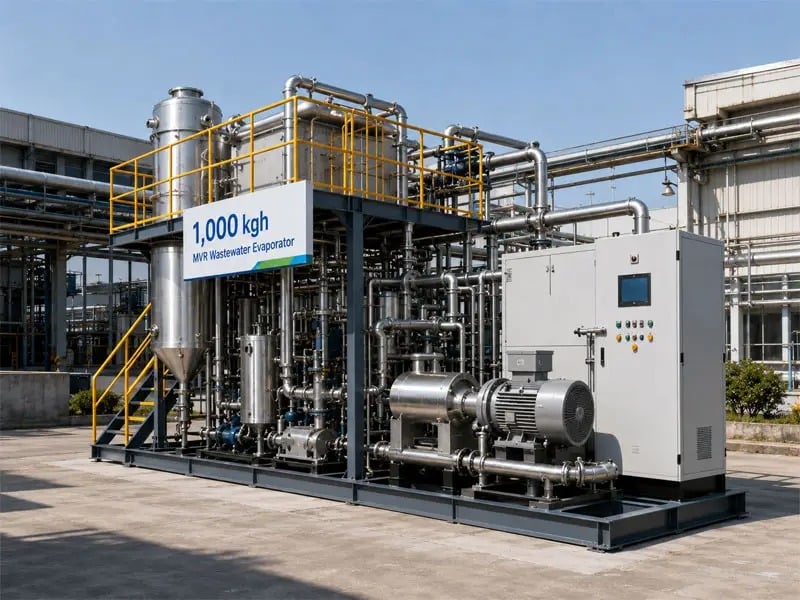
Purchasing a mechanical vapor recompression evaporator represents a significant capital investment for industrial operations. Before engaging vendors or evaluating proposals, procurement teams must prepare comprehensive design inputs that define system requirements, operational scope, and integration constraints. Without clear specifications upfront, buyers risk receiving oversized systems, undersized equipment, cost overruns, or designs that fail to meet actual production needs. This article outlines the essential design inputs every buyer should gather and document before requesting quotes or technical designs for a mechanical vapor recompression evaporator system.
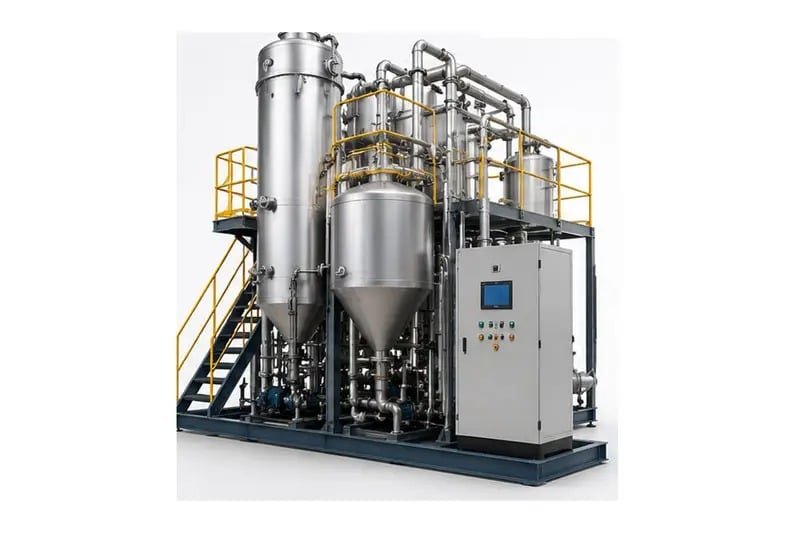
The design process for evaporator systems relies on detailed input data that translates operational reality into engineering specifications. Whether managing wastewater streams, recovering valuable dissolved solids, or concentrating process liquids, the accuracy of your design inputs directly influences equipment performance, energy efficiency, and return on investment. Vendors cannot design or quote equipment reliably without this foundational information, and delays in data collection often extend project timelines significantly.
Feed Data and Characterization
Understanding Your Feed Stream Composition
Feed data forms the technical foundation for all evaporator design calculations. You must provide complete characterization of the liquid stream entering the system, including flow rate, temperature, pH, viscosity, and specific gravity. This information determines how the mechanical vapor recompression evaporator will handle the material, what materials of construction resist corrosion, and whether scaling or fouling will occur during operation. Feed composition also reveals whether pretreatment is necessary before concentration begins.
Dissolved solids content, suspended solids concentration, and organic compound profiles represent critical feed characteristics. The presence of volatile organics, oils, or other components that may vaporize alongside water influences vapor quality and system design. Thermal stability of feed constituents also matters—some process liquids degrade at elevated temperatures, requiring lower evaporation rates or specialized thermal management. Collect representative samples and conduct laboratory analysis if feed composition varies seasonally or batch-to-batch.
Seasonal and Variability Factors
Industrial feed streams rarely remain constant. You should document expected variations in flow rate, composition, and temperature throughout the operating year. This variability directly affects how the mechanical vapor recompression evaporator must be sized and controlled. If flow rates fluctuate significantly, oversizing the system ensures adequate handling during peak periods, but undersizing creates bottlenecks during normal operation. Provide both minimum and maximum expected feed rates, along with typical average operating scenarios.
Capacity and Performance Targets
Defining Required Evaporation Rates
Capacity expectations translate into the evaporative duty the mechanical vapor recompression evaporator must achieve. State your target in terms of pounds or kilograms of water removed per hour, or alternatively, the final concentrate flow rate required. This figure drives the size and cost of the evaporation system more than any other single parameter. Capacity must align with your production schedule, downstream processing requirements, and waste disposal or product recovery targets.
Consider whether you need continuous operation or batch processing, single-shift or multi-shift duty cycles, and seasonal demand patterns. A mechanical vapor recompression evaporator sized for average daily capacity may prove inadequate during seasonal peaks, while excessive oversizing wastes capital and energy. Define your capacity requirement by reviewing historical production data, projected growth plans, and operational flexibility needs. Communicate whether capacity represents minimum acceptable performance, nominal design rate, or maximum sustainable throughput.
Concentration Targets and Final Product Quality
You must specify the target TDS concentration or final solids content of the concentrate leaving the mechanical vapor recompression evaporator. This determines how much water must be removed and influences energy consumption directly. Higher concentration factors require more evaporative stages, longer residence times, or specialized designs. State the final TDS level, the initial TDS entering the system, and any constraints on concentrate characteristics such as viscosity, crystal formation, or scaling tendency.
Utilities and Operating Infrastructure
Electrical Supply and Compressor Requirements
The mechanical vapor recompression evaporator compressor consumes electrical power to elevate vapor pressure and drive the thermodynamic cycle. You must confirm available electrical supply capacity at your facility, including voltage, phase configuration, frequency, and estimated power budget. Typical mechanical vapor recompression evaporator systems consume between 50 and 500 kilowatts depending on capacity and operating conditions. Consult your electrical infrastructure records and confirm whether new service upgrades or infrastructure modifications are required.
Document whether variable frequency drives, soft starters, or specialized motor controls are required. Some facilities operate under power constraints that necessitate load management or limited simultaneous equipment startup. Confirm whether the mechanical vapor recompression evaporator will operate continuously or intermittently, as this affects utility contracts and infrastructure planning. Peak demand, average consumption, and reactive power considerations influence final electrical design specifications.
Cooling Water, Steam, and Auxiliary Systems
Beyond primary utilities for the mechanical vapor recompression evaporator, most systems require cooling water for condenser support, compressed air for instrumentation and controls, and sometimes steam for preheating or special startup sequences. Define your available cooling water temperature, flow rate, and quality characteristics. Hard water, high-temperature source water, or water contaminated with oils or suspended solids may require treatment before use in the mechanical vapor recompression evaporator cooling system.
If your facility lacks adequate cooling capacity, evaporator vendors can design alternative cooling arrangements or hybrid cooling strategies. State whether compressed air is available on-site, its pressure and dryness specifications, and whether it serves other critical equipment. Document any steam availability, operating pressure, and quality. These utility inputs ensure the mechanical vapor recompression evaporator integrates smoothly with existing infrastructure without creating bottlenecks or unplanned utility demand spikes.
Design and Integration Parameters
Physical Installation Constraints
The mechanical vapor recompression evaporator must fit within your facility's physical layout, weight limits, and infrastructure constraints. Provide floor space dimensions, ceiling heights, weight distribution limits on floors, and any access restrictions for equipment installation or maintenance. State whether the system must install indoors or outdoors, which affects material selections, weatherproofing, and thermal insulation requirements. Document nearby equipment, utility line locations, and vibration-sensitive processes that might restrict compressor operation or placement.
Regulatory and Environmental Context
Environmental regulations, wastewater discharge limits, and residue disposal requirements shape how the mechanical vapor recompression evaporator operates and what happens to its products. If you discharge distillate to sewers or surface water, define the allowable contaminant levels. If you recover or must dispose of concentrate, document regulatory pathways. Vapor emissions from the mechanical vapor recompression evaporator condenser require consideration—some applications need activated carbon polishing or secondary condensing to meet air quality standards. Prepare documentation of local permits, environmental approvals, or monitoring obligations.
FAQ
Why is accurate feed data so critical for mechanical vapor recompression evaporator design?
Accurate feed data enables vendors to calculate correct evaporative duty, select appropriate materials of construction, and predict scaling or fouling behavior. Without reliable composition and flow information, designers cannot size the mechanical vapor recompression evaporator appropriately, resulting in systems that either fail to meet production targets or waste energy and capital. Feed analysis also reveals whether pretreatment is necessary and informs utility consumption estimates.
What happens if I underestimate capacity requirements for a mechanical vapor recompression evaporator?
Undersizing a mechanical vapor recompression evaporator creates production bottlenecks, prevents meeting throughput targets, and forces expensive future upgrades. Conversely, oversizing wastes capital investment and runs the system inefficiently at part load. Providing both minimum and maximum expected feed rates helps vendors design flexible systems that maintain acceptable performance across your actual operating range while avoiding unnecessary excess capacity or undersized constraints.
How do utilities affect mechanical vapor recompression evaporator selection and operating cost?
Utilities—particularly electrical power for the compressor—directly influence operational expense and system feasibility. Limited electrical supply may require load management strategies or extended startup procedures. Inadequate cooling water capacity forces expensive cooling tower additions. Clarifying your utilities upfront allows vendors to propose designs that fit your infrastructure, estimate accurate operating costs, and identify any facility upgrades needed before purchase.

 EN