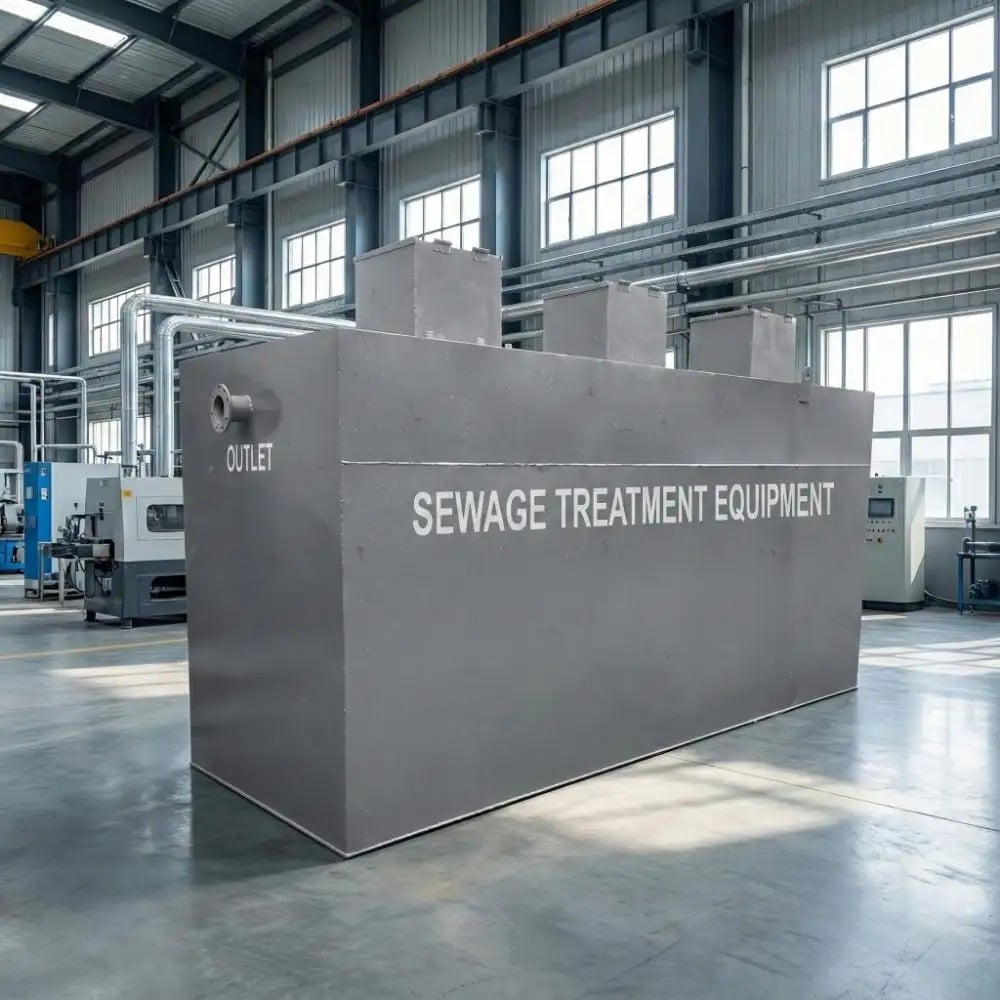
An industrial water treatment plant retrofit project often encounters hidden performance constraints that halt progress and inflate costs. Plant managers and facility engineers frequently struggle to pinpoint where efficiency truly breaks down, leading to misdirected investments and incomplete solutions. Identifying the real bottleneck in your water treatment infrastructure is critical to achieving the performance gains and regulatory compliance your operation demands.
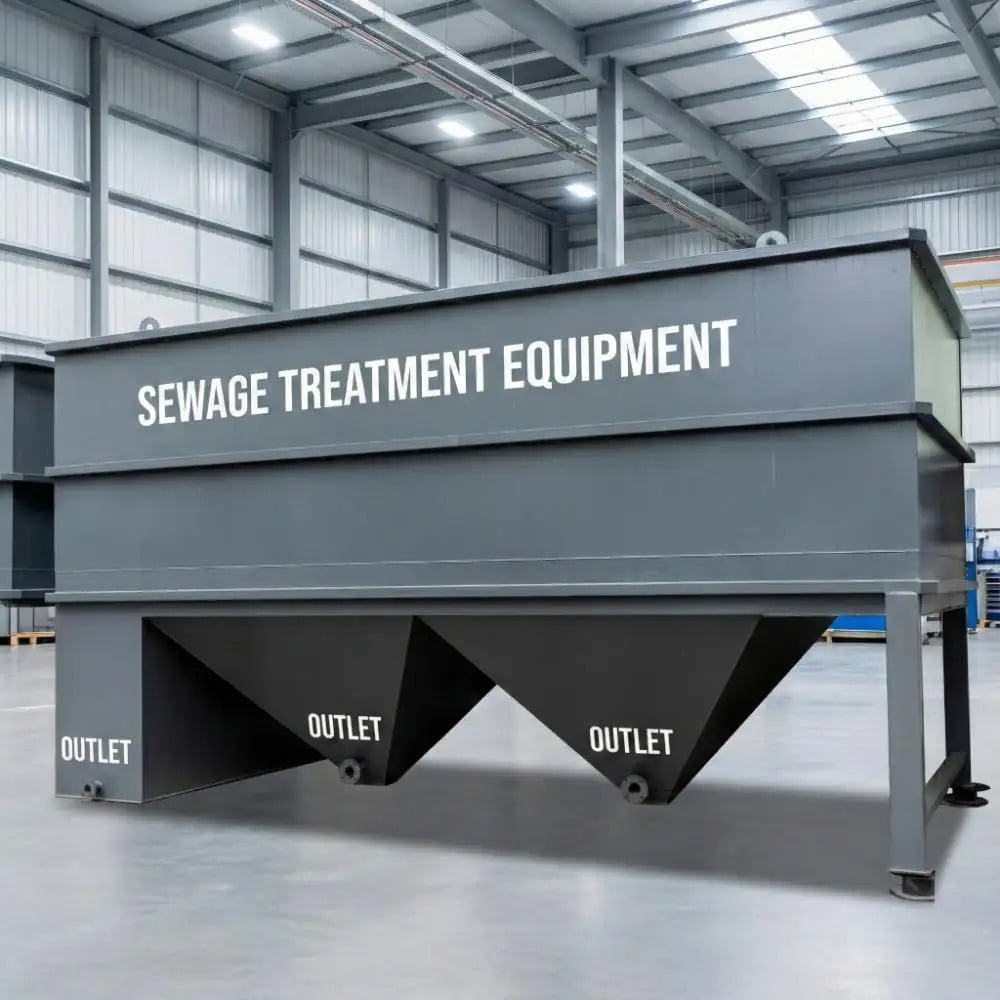
The process of retrofitting an industrial water treatment plant involves upgrading outdated equipment, enhancing treatment processes, and improving overall operational efficiency. However, success depends on accurately diagnosing which component or process stage is genuinely limiting your plant's throughput and water quality outcomes. Without proper bottleneck analysis, you may upgrade the wrong system, waste capital, and fail to resolve the core constraint preventing your facility from reaching target capacity and discharge standards.
Understanding the Nature of Treatment Plant Bottlenecks
How Bottlenecks Develop in Water Treatment Systems
Bottlenecks emerge when one treatment stage cannot process flow or contaminant loads as fast as the preceding stage supplies them, or when downstream equipment cannot handle the output. In an industrial water treatment plant, a bottleneck might arise from aging clarifiers that settle solids too slowly, filter media that clogs prematurely, or biological reactors that lack sufficient retention time. These constraints accumulate over decades of operation, equipment degradation, and changing inlet water quality or production rates.
A common retrofit mistake is upgrading the most visible or most expensive component without confirming it is actually the bottleneck. For example, replacing a membrane system when the real constraint is insufficient coagulation capacity upstream wastes both time and budget. Identifying the true bottleneck requires systematic analysis of flow rates, residence times, treatment efficiency, and capacity utilization across every major process unit in your industrial water treatment plant.
Why Bottleneck Analysis Matters Before Retrofit Investment
Conducting a thorough bottleneck assessment before committing to a retrofit minimizes rework, accelerates project payback, and ensures compliance with evolving discharge regulations. When you understand which stage is truly limiting your plant's performance, your retrofit strategy becomes laser-focused on the constraint that delivers the greatest operational and financial return. This disciplined approach also helps secure stakeholder buy-in and regulatory approval by demonstrating that the retrofit addresses the actual performance gap rather than guesswork.
Key Metrics and Diagnostic Approaches
Measuring Capacity Utilization Across Treatment Stages
Start by mapping the design capacity and actual throughput at each major process unit in your industrial water treatment plant. Measure flow rates, hydraulic loading rates, and solids loading across primary clarifiers, secondary treatment basins, filtration systems, and any tertiary polishing stages. Compare these measurements against the original design specifications and current permit limits to identify which unit is operating nearest to or exceeding its rated capacity under normal operating conditions.
A unit operating consistently above 85 percent of design capacity with frequent operational adjustments, process upsets, or bypass events signals a genuine bottleneck. Document seasonal variations, peak production periods, and maintenance downtime patterns, as these reveal whether the bottleneck is constant or episodic. Use this data to establish a clear picture of which process stage limits your overall plant throughput and which units have excess capacity that could handle additional load post-retrofit.
Assessing Water Quality Performance and Treatment Limits
Beyond flow capacity, evaluate treatment efficacy at each stage by testing influent and effluent water quality metrics including turbidity, suspended solids, organic carbon, nitrogen species, phosphorus, and metals. If your plant consistently struggles to meet effluent discharge standards or reuse specifications despite high operational effort, the bottleneck may be treatment inadequacy rather than throughput limitation. Some aging industrial water treatment plant systems lack the process chemistry or residence time needed to achieve modern water quality targets, making retrofit necessary to meet regulatory or operational standards.
Compare your current treatment performance against permit requirements and industry benchmarks for similar applications. A treatment stage with frequent excursions, high chemical demand, or excessive residual generation is often a bottleneck masquerading as normal operation. Bottleneck identification must encompass both capacity and quality dimensions because a retrofit that increases flow while degrading effluent quality is fundamentally unsuccessful.
Conducting a Systematic Retrofit Bottleneck Diagnosis
Field Inspection and Historical Data Review
Begin your bottleneck diagnosis by reviewing decades of operational logs, maintenance records, and process setpoint changes in your industrial water treatment plant. Identify equipment that requires frequent repair, operates at elevated chemical doses, or shows declining treatment performance over time. These patterns often point directly to a failing component that has become the primary bottleneck constraining overall plant output and water quality.
Walk the plant during peak flow periods and observe where process upsets occur, where operators make frequent adjustments, and where equipment shows visual signs of stress or degradation. Listen to operator feedback about recurring problems and pain points. The bottleneck is rarely a surprise to experienced plant staff, though formal analysis helps confirm suspicions and quantify the financial impact with objective data. Document physical condition of clarifier plates, filter media condition, tank structural integrity, and equipment vibration or noise anomalies.
Developing a Retrofit Strategy Aligned with Bottleneck Findings
Once the bottleneck is confirmed, design your retrofit to directly address that constraint while maintaining or improving water quality outcomes. A retrofit focused on the true bottleneck delivers rapid payback because it eliminates the immediate limitation and often exposes secondary constraints that can be addressed in subsequent phases. Prioritize capital deployment toward the process stage that currently limits your industrial water treatment plant's ability to meet production volume, discharge compliance, or water quality objectives.
Build flexibility into your retrofit design so future capacity expansion or treatment enhancement can integrate seamlessly. Modern modular skid-mounted systems allow staged retrofits that address the primary bottleneck first, then expand treatment capacity in subsequent phases as operational and financial conditions permit. This phased approach reduces upfront capital risk and allows your retrofit investment to evolve with changing regulations, inlet water characteristics, and business demand.
FAQ
How do I know if my industrial water treatment plant has a bottleneck?
A bottleneck typically manifests as consistent operation near capacity limits with frequent process upsets, inability to meet discharge standards, or inability to process design flow without operational override. If one treatment stage routinely requires high chemical doses, frequent maintenance, or operational adjustment while other stages run smoothly, that struggling unit is likely your bottleneck. Historical data analysis and field observation during peak flow periods usually confirm the diagnosis.
Can a single retrofit solve multiple bottlenecks in an industrial water treatment plant?
A retrofit addressing the primary bottleneck often reveals secondary constraints that become apparent once the first limitation is removed. Designing your retrofit with modular capacity allows phased expansion, so you can address the most critical bottleneck immediately and plan subsequent improvements based on updated operational data. This staged approach is more cost-effective and flexible than trying to solve all constraints simultaneously.
What role does water quality play in identifying a bottleneck?
Water quality performance indicates whether a treatment stage is reaching its operational limit or failing to provide adequate treatment contact time and chemical reaction. If your industrial water treatment plant struggles to meet discharge water quality standards despite operational effort, the bottleneck may be insufficient treatment capacity or outdated process chemistry rather than throughput alone. A comprehensive retrofit diagnosis must evaluate both capacity constraints and treatment efficacy.

 EN