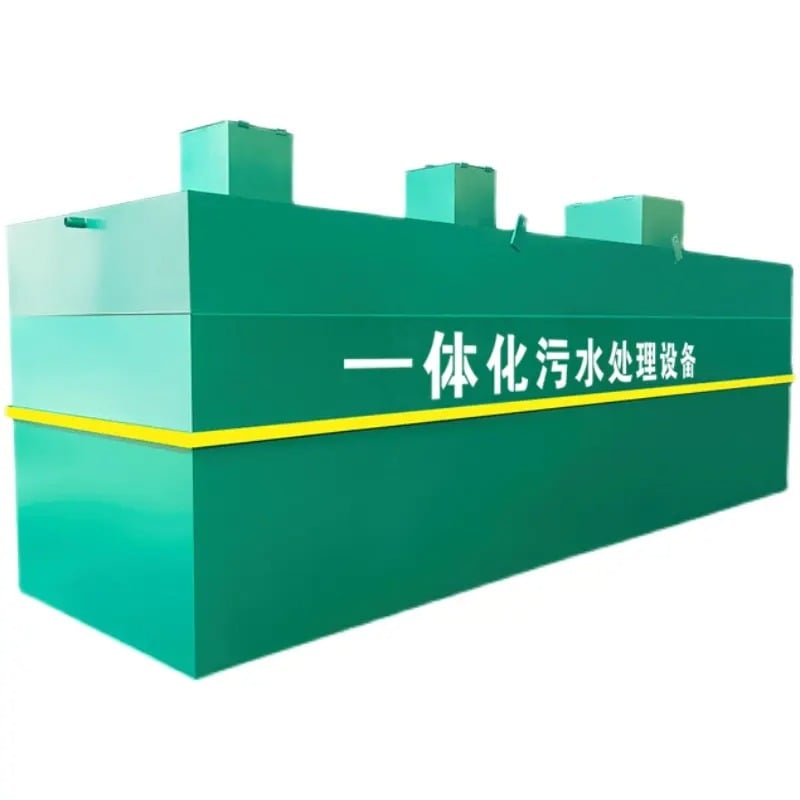
Choosing the right industrial water treatment equipment is one of the most critical decisions a facility manager can make. The selection of treatment units directly impacts water quality, operational costs, regulatory compliance, and system longevity. A poorly designed process train leads to equipment failure, product contamination, and regulatory violations. Understanding which technologies belong in your treatment sequence ensures optimal performance across all downstream applications.
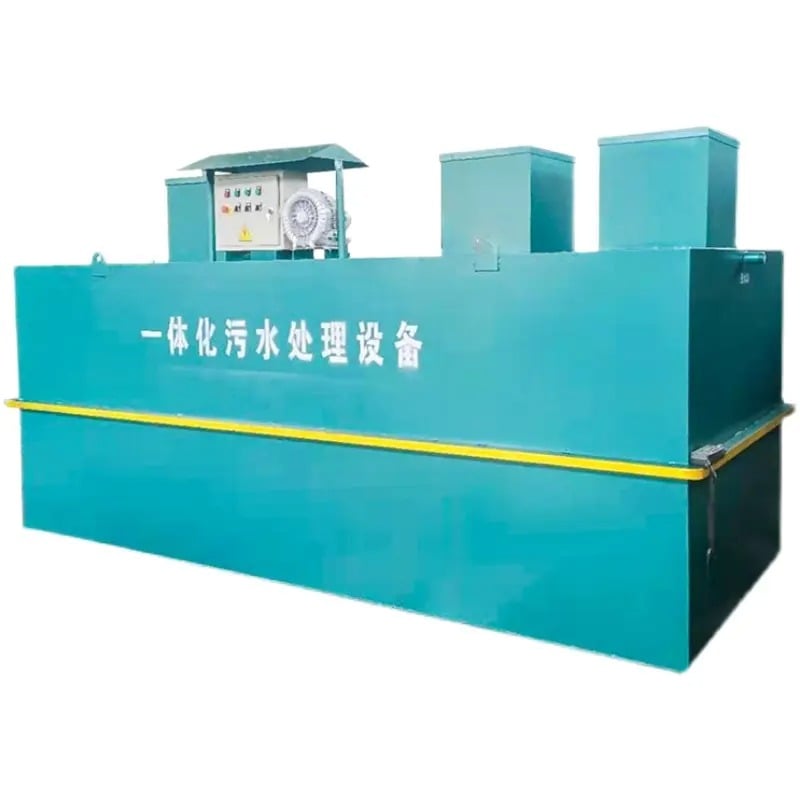
The process train represents a strategic sequence of treatment stages, each serving a distinct purpose in removing contaminants. Most facilities require multiple industrial water treatment equipment units working in concert rather than relying on a single technology. The right configuration depends on source water quality, final use requirements, discharge standards, and capital constraints. This guide explores the core technologies that belong in effective process trains and how to sequence them for maximum efficiency.
Understanding Pretreatment in Your Process Train
Why Pretreatment Matters First
Pretreatment is the foundation of any robust industrial water treatment equipment strategy. This initial stage removes suspended solids, organic matter, and other large contaminants before water enters downstream units. Skipping or undersizing pretreatment creates excessive fouling in RO membranes, UF systems, and EDI cells, dramatically shortening equipment life and increasing maintenance costs. Effective pretreatment protects your entire investment by preventing premature membrane degradation and system inefficiency.
Pretreatment Technologies and Selection
Pretreatment typically includes sediment filtration, multimedia filtration, activated carbon adsorption, or cartridge filters depending on source water characteristics. Industries with high suspended solid concentrations benefit from multi-stage pretreatment that removes particles progressively. The goal is to reduce turbidity below 1 NTU and ensure water quality metrics meet downstream unit specifications before entering RO or UF systems. Undersizing pretreatment capacity creates bottlenecks and reduces overall system throughput, making proper sizing essential for process efficiency.
Core Treatment Technologies in Modern Process Trains
Reverse Osmosis and Membrane Systems
RO units remove dissolved solids, ions, and dissolved organic compounds through semi-permeable membranes under pressure. This industrial water treatment equipment technology is ideal for desalination, recycled water reuse, and applications requiring very low total dissolved solids. RO systems produce high-quality permeate but also generate concentrate waste streams that require management. Many facilities pair RO with UF upstream to maximize membrane life and reduce fouling issues that compromise long-term reliability and operational efficiency.
Ultrafiltration and Particle Removal
UF removes bacteria, viruses, colloids, and suspended particles without the high pressure demands of RO systems. This industrial water treatment equipment operates at lower energy costs while still producing very clean water suitable for sensitive applications. UF is excellent as a stand-alone polishing step or as pretreatment before RO membranes. When placed correctly in the process train after initial pretreatment, UF significantly extends RO membrane service life by removing particles that cause membrane scaling and fouling.
Electrodeionization for Ultra-Pure Water
EDI removes ionic contaminants and dissolved minerals using electrical current across ion-exchange membranes. This industrial water treatment equipment produces extremely high-purity water for electronics manufacturing, pharmaceutical applications, and other ultra-sensitive processes. EDI requires pretreated feed water with very low suspended solids and organics to function optimally. Placing EDI after RO or UF ensures that only high-quality water enters the EDI cell, maximizing regeneration efficiency and minimizing operational downtime.
Designing Your Complete Process Train
Sequencing Technologies for Maximum Efficiency
The ideal process train follows a logical progression: pretreatment removes large contaminants, followed by UF for particle and microbial removal, then RO for dissolved solids reduction, and finally EDI for ultra-high purity if required. This sequence protects each downstream industrial water treatment equipment unit by removing contaminants progressively, extending membrane life and reducing chemical regeneration frequency. Reversing this order or skipping stages creates excess burden on individual units and leads to premature failure, unplanned downtime, and inflated maintenance budgets.
Source Water Analysis and System Sizing
Before selecting specific industrial water treatment equipment units, conduct thorough source water testing for turbidity, total dissolved solids, hardness, organics, and specific contaminants relevant to your application. This analysis determines whether you need aggressive pretreatment, single-pass or multi-pass RO, and whether UF becomes necessary upstream. Proper sizing ensures each unit operates within design capacity, maintaining quality targets while minimizing energy consumption and chemical usage. Undersized systems create bottlenecks; oversized systems waste capital and operating expense.
Integration and Automation Considerations
Modern facilities increasingly select integrated, modular industrial water treatment equipment skids that combine pretreatment, RO, UF, and monitoring in one package. These systems simplify installation, reduce interconnection complexity, and enable centralized control of the entire process train. Automation monitoring tracks membrane pressure, flow rates, water quality parameters, and alerts operators to fouling or decline before system performance suffers. This integrated approach minimizes operator training requirements and reduces the risk of human error in process operation.
FAQ
What happens if pretreatment is undersized in an industrial water treatment equipment system?
Undersized pretreatment allows excessive suspended solids and organic matter to reach downstream RO and UF membranes, causing rapid fouling, membrane scaling, and premature failure. This leads to shorter membrane life, increased chemical cleaning requirements, higher replacement costs, and extended system downtime. Proper pretreatment sizing protects the entire process train and maintains consistent water quality output.
Can RO and UF work effectively in reverse order within a process train?
Placing RO before UF is generally inefficient because RO produces both permeate and concentrate streams, and UF typically requires higher feed water quality than RO can consistently deliver without fouling UF membranes. The standard industrial water treatment equipment sequence—pretreatment, UF, then RO—protects membranes and reduces chemical usage. Some applications may use single-pass RO followed by UF for polishing, but this requires careful design and membrane compatibility analysis.
Is EDI always necessary in an industrial water treatment equipment system?
EDI is only necessary when your final application requires ultra-pure water below typical RO permeate quality levels. Electronics manufacturing, pharmaceutical production, and high-purity steam generation often require EDI, but many industrial applications achieve their quality targets with pretreatment and RO alone. Evaluate your specific water quality requirements and regulatory standards to determine whether EDI adds necessary value or represents unnecessary capital and operating expense.

 EN