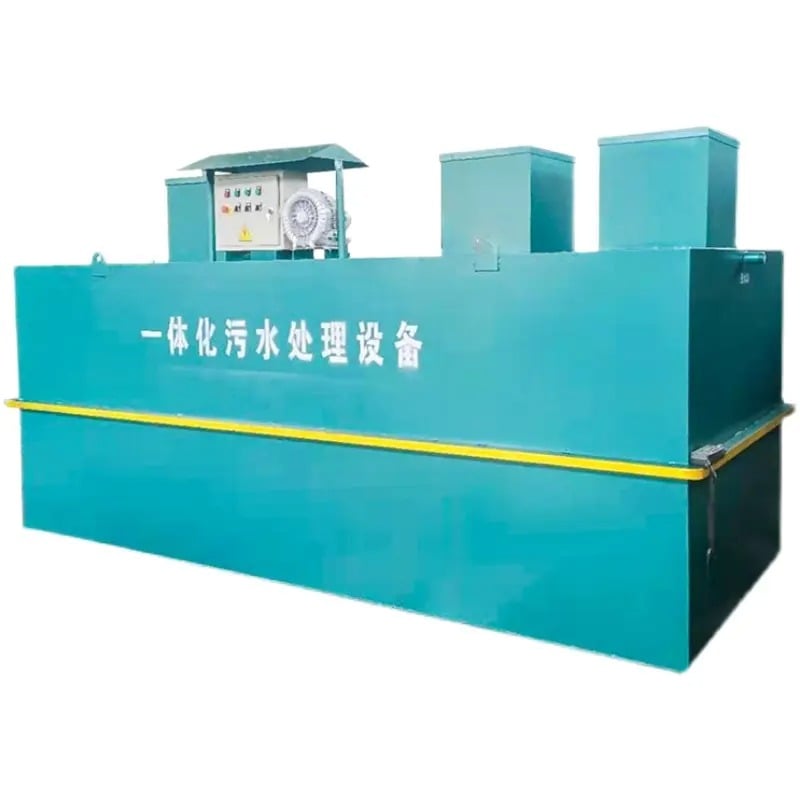
Industrial water recycling has become essential for manufacturing facilities, food processing plants, refineries, and chemical producers seeking to reduce operational costs while meeting environmental regulations. The core challenge is identifying which wastewater streams offer the greatest potential for effective reuse without compromising product quality or introducing contamination risks. Understanding which process effluents can be reclaimed through proper treatment makes the difference between sustainable operations and costly compliance failures.
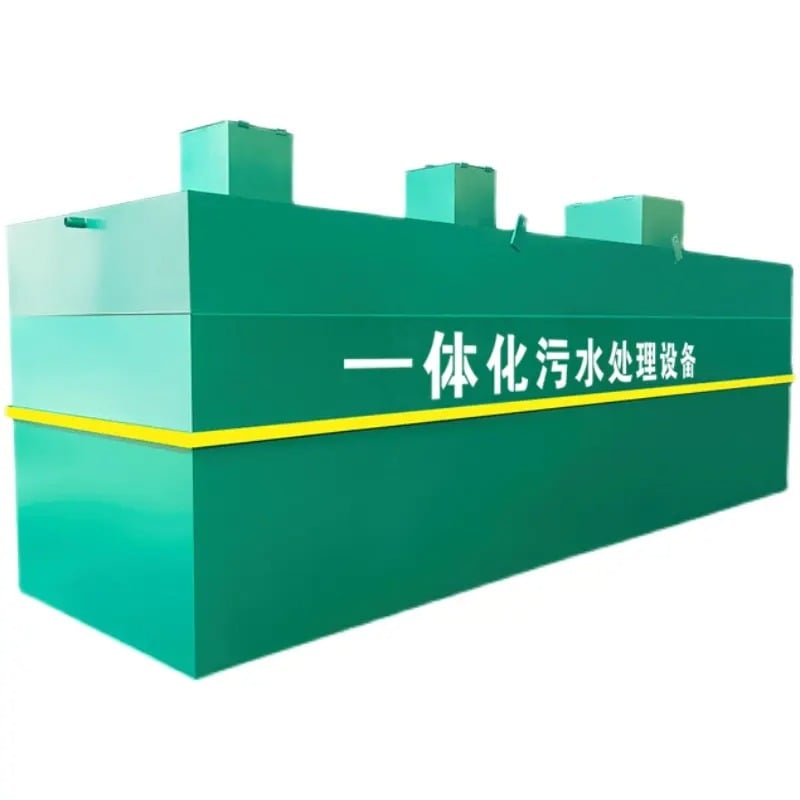
Not all wastewater generated in an industrial facility is equally suitable for treatment and reuse. The economics and technical feasibility of industrial water recycling depend on the contamination profile, suspended solids load, chemical composition, and temperature of each stream. Stream segregation—the practice of separating different wastewater sources at point of generation—enables targeted treatment and significantly improves recovery rates and water quality outcomes.
Identifying High-Potential Wastewater Streams
Cooling Tower Blowdown and Condensate
Cooling tower blowdown represents one of the most frequently recyclable streams in industrial facilities. These waters contain dissolved solids and minor biological growth but lack the harsh chemical contamination present in process effluent. The relatively high volume and predictable quality make cooling tower water excellent candidates for water reuse in non-contact cooling applications. Condensate from steam systems and heat exchangers is similarly pure and ideal for recycling back into boilers or cooling circuits after basic polishing treatment.
Rinse Waters and Wash-Down Streams
Final rinse waters from product washing, parts cleaning, and equipment maintenance often contain only light contamination. These streams can often be treated through settling and filtration, then reused for preliminary wash stages, equipment cleaning, or landscape irrigation. The key advantage is that rinse waters typically maintain consistent flow rates and composition, simplifying treatment design and making water quality predictions reliable for operational planning.
Stream Segregation for Enhanced Recovery
Separating Clean and Dirty Processes
Effective stream segregation keeps lightly contaminated water separate from heavily contaminated process discharge. By routing cooling water, condensate, and rinse streams through dedicated channels rather than mixing them with high-strength waste, facilities dramatically reduce total treatment burden and cost. This practice enables targeted recovery approaches where light streams receive minimal treatment and proceed directly to reuse points, while heavy streams receive intensive treatment only when economically justified.
Managing Chemical and Biological Contamination Separately
Streams containing dissolved organics, oils, or biological material require different treatment than streams with primarily inorganic suspended solids. Stream segregation allows operators to apply biological treatment to organic-rich wastewater while using membrane filtration or crystallization for mineral-laden streams. Maintaining this separation from collection through treatment to final use ensures that water quality standards are met without over-treating clean streams or under-treating contaminated sources.
Water Quality Requirements for Effective Reuse
Matching Treatment to End-Use Application
The appropriate level of water quality depends entirely on the intended reuse application. Boiler feedwater requires extremely low dissolved solids and silica content, while irrigation water tolerates higher salt levels. Cooling water can accommodate higher turbidity than process makeup water, and equipment wash-down tolerates quality levels unsuitable for drinking or food contact. Establishing clear water quality targets for each reuse point allows operators to specify treatment and recovery systems that deliver only the necessary purity level, avoiding unnecessary expense.
Monitoring Recovery Effectiveness
Successful water reuse requires robust monitoring of reclaimed water quality before introduction into the recirculation system. Key parameters include total suspended solids, turbidity, conductivity, pH, dissolved oxygen, and industry-specific contaminants such as oils, metals, or organic compounds. Real-time monitoring prevents the introduction of degraded water that could contaminate process streams, damage equipment, or create product quality issues. This vigilance ensures that recovery operations deliver measurable environmental and cost benefits while maintaining reliability.
Recovery Mechanisms and System Design
Physical and Biological Treatment Technologies
Treatment train design for water reuse typically combines multiple technologies to achieve target quality levels. Settling removes gross solids from cooling tower blowdown, while fine filtration and multimedia filters polish recycled water to lower turbidity. Biological treatment systems degrade organic contaminants in rinse water, and membrane technologies such as ultrafiltration or reverse osmosis achieve the highest purity standards. The selection and sequencing of these methods directly impact recovery efficiency, capital investment, and operating expense.
Integration with Existing Operations
Practical recovery implementation requires minimal disruption to ongoing manufacturing processes. Decentralized treatment systems positioned near source points reduce piping complexity and allow immediate reuse. Centralized recovery facilities serving multiple streams offer economies of scale but require additional infrastructure. System sizing must account for flow variability, seasonal changes, and maintenance downtime to ensure reliable supply of reclaimed water throughout operating cycles.
FAQ
Which industrial sectors benefit most from water reuse and recovery programs?
Water-intensive industries including semiconductor manufacturing, pharmaceutical production, textile processing, metal finishing, and cooling-dependent power generation facilities gain the highest benefits. These sectors generate substantial wastewater volume, face rising water costs and discharge fees, and operate in water-stressed regions. Stream segregation and recovery in these settings can reduce freshwater demand by 20 to 50 percent, creating immediate financial payback.
How does stream segregation improve overall water recycling performance?
Stream segregation prevents cross-contamination and allows targeted treatment strategies. By keeping light streams separate from contaminated process waste, facilities reduce the total treatment intensity required, lower chemical consumption, and accelerate recovery timelines. This approach also increases water quality predictability, making recycled water suitable for more applications and reducing the risk of equipment damage or product compromise.
What are the typical recovery rates achievable through industrial water recycling systems?
Recovery rates vary by industry and stream type but typically range from 50 to 85 percent of total wastewater volume. Cooling tower blowdown and condensate routinely achieve 70 to 90 percent recovery, while process-specific streams may yield lower percentages depending on contamination complexity. Overall facility recovery improves when multiple streams are treated and the recycled water quality meets various end-use requirements across operations.

 EN