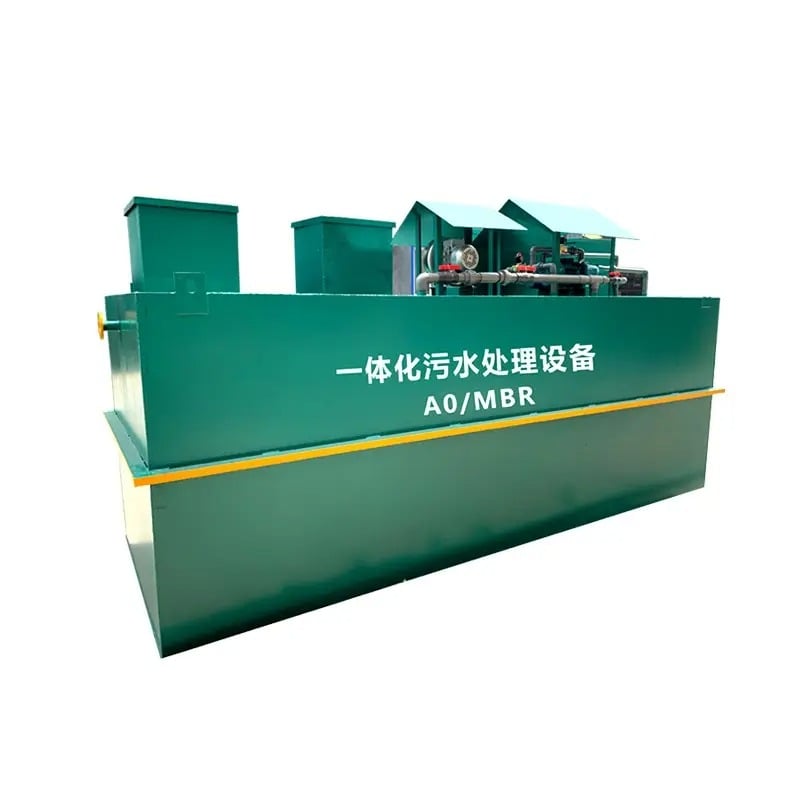
Designing an effective industrial water recycling system requires navigating the fundamental tension between maximizing water recovery and controlling membrane fouling. As manufacturing facilities face increasing water scarcity and regulatory pressure, the ability to recycle and reuse process water has become a critical competitive advantage. However, the path to sustainable water reuse is complex, demanding careful engineering decisions that balance recovery rates with system reliability and total cost of ownership. This guide explores the key design principles that allow operators to achieve both high water recovery and extended membrane life.
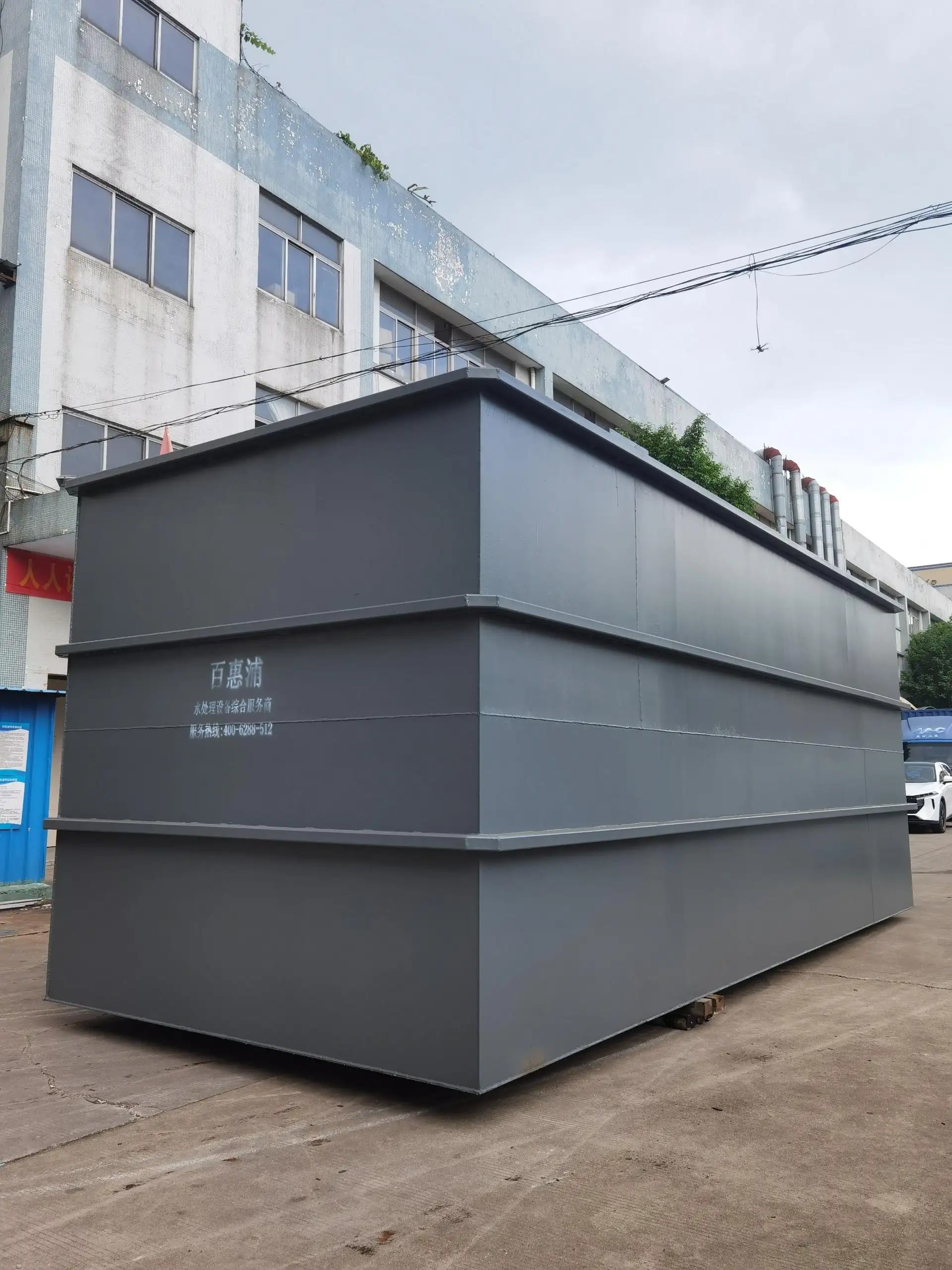
An industrial water recycling system must handle variable feed water quality while maintaining consistent permeate output for reuse applications. The core challenge lies in preventing membrane fouling, which directly impacts water recovery rates and operational downtime. Effective design combines robust pretreatment, appropriate membrane selection, and intelligent operational controls to create a system that delivers reliable water recovery without sacrificing membrane performance.
Understanding Water Recovery and Membrane Fouling Trade-offs
The Recovery Rate Dilemma
Water recovery in an industrial water recycling system represents the percentage of feed water successfully treated and reused rather than discharged. Higher recovery rates reduce freshwater demand and lower disposal costs, but they also concentrate contaminants in the brine stream, intensifying stress on membranes. When operators push recovery beyond 75 to 80 percent, dissolved solids accumulate rapidly, and the risk of membrane fouling escalates significantly. Understanding this threshold is essential for designing systems that balance economic gains from water recovery with the practical limits of membrane performance.
Membrane Fouling Mechanisms in Recycling Systems
Membrane fouling occurs through multiple pathways: organic accumulation, scaling from mineral precipitation, biofilm formation, and colloidal particle deposition. In an industrial water recycling system operating at high water recovery rates, these mechanisms accelerate because feed water already contains residual contaminants from the previous cycle. Pretreatment becomes the first line of defense, but even with excellent pretreatment, membrane fouling remains inevitable if recovery rates climb too steeply. The design must acknowledge this reality and incorporate fouling mitigation into every stage of the recycling system architecture.
Optimizing Pretreatment for Industrial Water Recycling Systems
Multi-Barrier Pretreatment Strategy
Effective pretreatment is the cornerstone of successful water recovery in an industrial water recycling system. A multi-barrier approach combines coagulation, sedimentation, media filtration, and cartridge filtration to remove suspended solids, organic matter, and colloids before they reach the membrane stage. Coagulation chemically binds fine particles, making them easier to settle and filter; sedimentation removes the bulk of destabilized matter; media filtration traps mid-size particles; and cartridge filtration acts as the final guard against microscopic contamination. This layered defense reduces membrane fouling risk and extends the intervals between membrane cleaning, directly improving water recovery efficiency.
Chemical Pre-treatment and Feed Water Conditioning
Industrial water recycling systems often require scale inhibitor dosing to prevent mineral precipitation on membrane surfaces, particularly when water recovery exceeds 70 percent. pH adjustment and antiscalant application reduce the tendency of calcium, magnesium, and silica to crystallize on the membrane. Biocide addition, when necessary, controls biofilm growth in the system piping and membrane modules. The selection and dosage of these chemicals must be calibrated to the specific feed water composition and intended recovery level. Over-dosing wastes chemicals and can itself cause fouling, while under-dosing leaves membranes vulnerable to scaling and biofilm accumulation.
Membrane Technology and System Configuration for Sustainable Reuse
Choosing Membrane Type and Configuration
An industrial water recycling system may employ ultrafiltration (UF), nanofiltration (NF), or reverse osmosis (RO) depending on the target contaminant removal and intended reuse application. Ultrafiltration excels at removing suspended solids and microorganisms with minimal chemical dosing, making it ideal for pre-stage purification before further membrane stages. Nanofiltration and reverse osmosis achieve deeper demineralization but are more susceptible to fouling if pretreatment is inadequate. System designers must select membrane technology that balances the water recovery requirements with the fouling risk profile of the source water. Pressure, flow rate, and membrane area must all be sized to keep flux rates within acceptable limits; lower flux rates reduce membrane fouling intensity but require larger and more expensive membrane arrays.
Incorporating Recovery Control and Membrane Protection
Intelligent industrial water recycling system design includes automatic monitoring of trans-membrane pressure (TMP), feed conductivity, and permeate quality. When TMP rises beyond preset thresholds, the system either reduces water recovery temporarily or triggers a membrane cleaning cycle before fouling becomes severe. Staged recovery—where initial recycled water undergoes polishing treatment before reuse—protects downstream processes while maintaining overall water recovery. This conservative approach prevents cascade failures where fouled membranes force complete system shutdown, resulting in lost production and emergency freshwater procurement. Real-time data feedback allows operators to fine-tune pretreatment and recovery setpoints continuously.
Practical Implementation and Operational Excellence
Sizing and Capacity Planning
Industrial water recycling systems must be sized with headroom to accommodate inevitable membrane fouling without compromising production targets. Operators should design for 60 to 70 percent water recovery as baseline performance, allowing flexibility to approach 75 to 80 percent during optimal conditions. This philosophy accepts that some feed water will be rejected as brine, but it ensures reliable permeate supply and extends membrane life significantly. Oversizing membrane capacity by 15 to 20 percent creates a buffer that absorbs seasonal feed water quality variations and gradual membrane performance decline between cleaning cycles.
Maintenance, Cleaning, and Membrane Life
Scheduled cleaning protocols are essential for any industrial water recycling system targeting sustained water recovery. Frequent, gentle cleaning—performed on a 1 to 3 month schedule with low-chemical solutions—prevents permanent fouling layer buildup far more effectively than occasional aggressive cleaning campaigns. Membrane fouling that has calcified or become biofilm-bound is nearly impossible to reverse, whereas early-stage colloidal and organic deposits respond well to mild chemical cleaning. Membrane replacement schedules should anticipate a 5 to 7 year service life under aggressive recycling duty; monitoring performance trends helps flag when replacement is approaching, preventing unexpected production interruptions.
FAQ
What is the optimal water recovery percentage for most industrial applications?
Most industrial water recycling systems achieve 65 to 75 percent water recovery sustainably. This range balances operational cost savings with membrane fouling risk and total system reliability. Applications with stringent reuse quality requirements or difficult feed water may operate conservatively at 50 to 65 percent recovery, while optimized systems with excellent pretreatment may reach 75 to 80 percent. The optimal level depends on feed water composition, intended reuse application, and acceptable membrane cleaning frequency.
How does pretreatment directly affect membrane fouling rates?
Robust pretreatment removes 90 to 98 percent of suspended solids, organic matter, and scale precursors before they contact the membrane. This dramatically extends the interval between chemical cleaning cycles and slows the accumulation of irreversible fouling. Poor pretreatment allows fine particles and dissolved organics to reach the membrane, where they accumulate rapidly and cause severe, often permanent damage. Investing in quality pretreatment reduces total membrane fouling risk by an order of magnitude and is the single most cost-effective design decision for long-term water recovery performance.
Can an industrial water recycling system recover 90 percent or more of feed water?
Achieving 90 percent or higher water recovery is technically possible but operationally challenging and economically questionable for most applications. Such high recovery rates concentrate contaminants to levels that accelerate severe membrane fouling, require extremely frequent cleaning, and shorten membrane life substantially. The capital and operating costs associated with managing extreme fouling often exceed the savings from marginal additional water recovery. Unless the recycled water command premium value or disposal costs are exceptionally high, most industrial operators find the optimal economic return at 70 to 75 percent water recovery with sustainable pretreatment and membrane management.

 EN