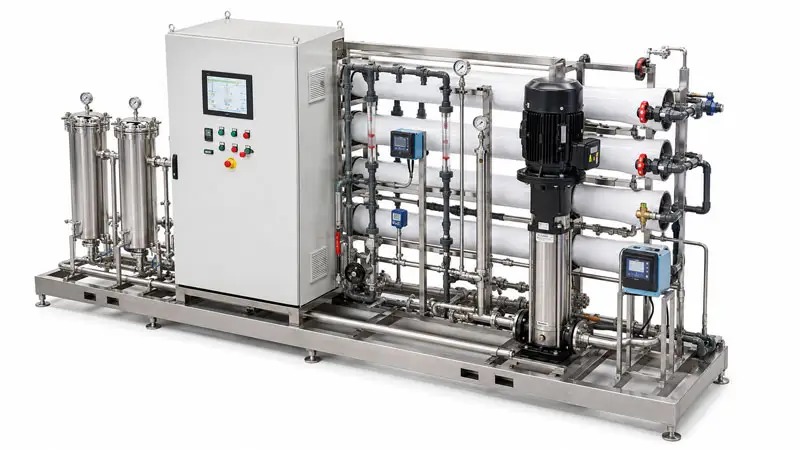
Effective maintenance access is one of the most overlooked aspects of designing facilities that house industrial wastewater treatment equipment. Many operators discover too late that their equipment layout creates bottlenecks, safety hazards, and costly downtime when maintenance becomes necessary. Planning for maintenance access during the initial design phase is critical to ensuring long-term operational success, regulatory compliance, and worker safety.
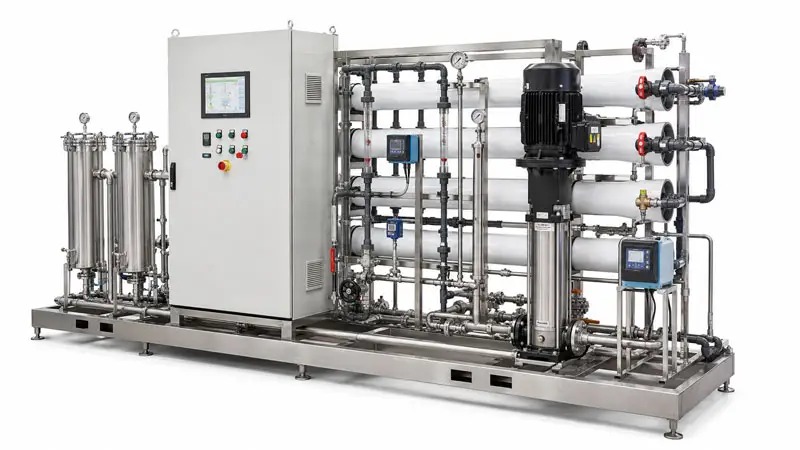
Proper maintenance access design ensures that technicians can reach all components safely, efficiently, and without disrupting ongoing treatment operations. This foundational planning effort directly impacts maintenance costs, equipment lifespan, facility uptime, and compliance with environmental standards. Understanding how to structure your facility layout around maintenance requirements is essential for every wastewater treatment operation.
Understanding Maintenance Access Requirements
Core Principles of Layout Design
The layout of your industrial wastewater treatment equipment must prioritize accessibility from the moment you begin design planning. This means creating clear pathways, adequate spacing, and strategic positioning of critical components. Your facility layout should allow technicians to approach equipment from multiple angles without requiring removal of other systems or creating unsafe working conditions.
Maintenance access design follows several foundational principles. First, critical equipment like industrial wastewater treatment equipment must be positioned to allow full inspection without partial disassembly of surrounding systems. Second, service areas require adequate headroom, floor space, and lighting to enable safe, efficient work. Third, the layout must anticipate both routine maintenance and emergency repairs, ensuring that access doesn't become compromised during crisis situations.
Spacing Standards for Service Operations
Industry guidelines recommend minimum spacing around major treatment components. For pumps and mechanical units, maintain at least three feet of clearance on the sides where maintenance is most likely to occur. Vertical clearance above equipment should accommodate technician height, tooling, and removal of heavy components. These spacing standards ensure that maintenance personnel can work comfortably, safely, and with proper visibility of all connection points and fasteners.
Your layout must also account for the service pathway that maintenance personnel actually use. This includes access to the treatment facility, routes to individual equipment pieces, and adequate workspace for disassembly and repair operations. Many facilities fail to account for the full workflow of maintenance technicians, resulting in inefficient procedures and unnecessary risk exposure.
Strategic Equipment Positioning and Pumps Placement
Organizing Pumps for Accessibility
Pumps represent critical components in any wastewater treatment operation, and their placement directly affects maintenance frequency, downtime duration, and operational continuity. Your layout strategy should position pumps at heights where technicians can access inlet and outlet connections without awkward positioning or climbing. This typically means mounting equipment on platforms or structures that bring main components to approximately eye level for the average technician.
Consider grouping similar pumps and treatment units together rather than scattering them throughout the facility. Clustered equipment reduces the distance maintenance personnel must travel and allows for shared utility connections and common drainage infrastructure. This layout approach also simplifies training, as technicians become familiar with a logical, predictable arrangement of equipment and service points.
Maintenance Access Around High-Traffic Components
Equipment that requires frequent maintenance or inspection should be positioned in areas of your facility that allow unobstructed service access without disrupting daily operations. This separation between maintenance zones and active treatment areas reduces safety risks and minimizes operational interruptions. Your layout should identify which components are visited most frequently during routine service and prioritize their accessibility accordingly.
When multiple components share a service area, design the layout to prevent technicians from needing to access one unit by reaching through or around another. This principle applies especially to pumps, filters, and monitoring equipment that typically require regular inspection. Cross-access patterns create confusion, increase accident risk, and make training new maintenance staff unnecessarily complicated.
Designing Layouts for Safety and Compliance
Safety Considerations in Layout Planning
Your facility layout must comply with OSHA standards and industry safety guidelines that govern maintenance work in wastewater treatment environments. This includes proper spacing for emergency egress, slip-resistant flooring in maintenance areas, and adequate lighting for safe inspection and repair work. Safety-first layout design prevents incidents and demonstrates regulatory compliance during facility inspections.
Isolate hazardous areas and ensure that maintenance personnel can reach equipment without exposure to active treatment processes, chemical storage, or biohazard zones. Your layout should incorporate safety barriers where needed and clearly mark zones where maintenance access is restricted during active treatment cycles. This preventive design approach reduces liability and protects your workforce from preventable incidents.
Integrating Service Documentation Into Layout Strategy
Effective layout planning includes creating service documentation that maps maintenance workflows and identifies potential bottlenecks before they cause operational problems. Record the specific pathways technicians use, the time required for routine maintenance tasks, and any layout constraints that complicate service access. This documentation informs future layout refinements and helps new technicians understand the facility geography quickly.
Signage and labeling integrated into your facility layout improve maintenance efficiency and safety. Clearly marked equipment identification, service points, and hazard warnings guide technicians through complex facilities and reduce confusion. Well-organized layouts that combine proper spacing, equipment positioning, and clear documentation create environments where maintenance staff can work confidently and efficiently.
FAQ
What spacing should I allocate around industrial wastewater treatment equipment for maintenance?
Industry best practice recommends maintaining at least three feet of clearance on all sides where technicians typically need service access. Vertical clearance should accommodate technician height plus tooling and component removal needs. Specific spacing may vary based on equipment type, so consult manufacturer guidelines and OSHA standards when finalizing your layout design.
How should I position pumps to optimize maintenance access in my treatment facility?
Position pumps at approximately eye level for technicians, typically on elevated platforms or structural supports. Group similar pumps together to reduce travel distances and create predictable maintenance workflows. Ensure inlet and outlet connections are fully accessible without requiring technicians to contort or climb, and avoid positioning pumps where service access requires reaching through other equipment.
Can I retrofit existing facilities to improve maintenance access for my equipment?
Yes, many existing facilities can be retrofitted to improve maintenance access. This may include repositioning equipment, adding platforms or walkways, improving lighting, and removing obstacles that complicate service workflows. Retrofitting typically costs less than designing new facilities but requires careful assessment of structural capacity and operational disruptions during renovation work.

 EN