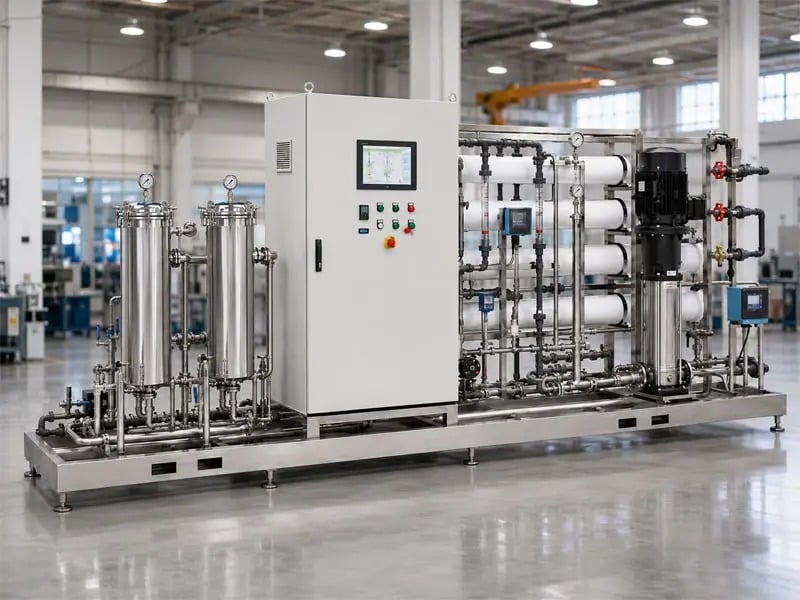
Industrial wastewater recycling equipment represents a critical investment for manufacturing facilities seeking to reduce water consumption, lower disposal costs, and meet increasingly stringent environmental regulations. Among the most effective technologies available, ultrafiltration (UF) and reverse osmosis (RO) membranes work synergistically to purify contaminated water, making it suitable for on-site reuse in cooling systems, cleaning processes, and other non-potable applications. Understanding how these membrane technologies complement each other is essential for facility managers and environmental engineers evaluating treatment solutions.
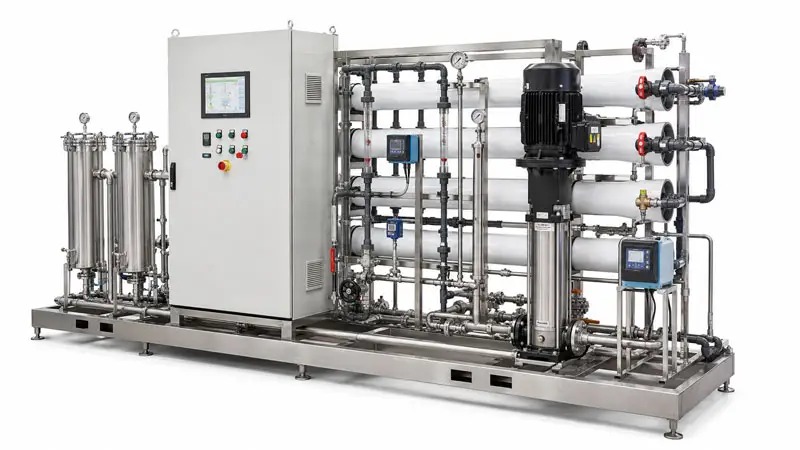
The combination of UF and RO within integrated industrial wastewater recycling equipment creates a two-stage filtration process that removes suspended solids, dissolved salts, oils, and organic contaminants. This sequential approach maximizes water quality while optimizing membrane lifespan and operational efficiency. Organizations across automotive, pharmaceutical, food processing, and semiconductor manufacturing industries rely on this proven technology to achieve water independence while maintaining strict quality standards.
How UF Membrane Filtration Functions as the Primary Treatment Stage
Ultrafiltration Removes Suspended Particles and Macromolecules
Ultrafiltration operates as the first treatment barrier in most wastewater reuse systems. The UF membrane contains microscopic pores, typically ranging from 0.01 to 0.1 micrometers, that reject suspended solids, bacteria, viruses, and large organic molecules while allowing smaller dissolved substances to pass through. This size-selective separation removes turbidity and biological contaminants that could otherwise damage downstream RO membranes or compromise water quality for industrial reuse applications.
The UF filtration process protects the RO stage by acting as a protective pre-treatment layer. When wastewater enters untreated industrial wastewater recycling equipment, fouling occurs rapidly without proper pre-filtration. UF extends the operational life of RO membranes by 3 to 5 times, reducing replacement frequency and maintenance downtime. This economic benefit alone justifies the dual-membrane architecture for high-volume industrial operations.
Operating Pressure and Flux Characteristics of UF Systems
Ultrafiltration typically operates at pressures between 1 and 10 bar, considerably lower than RO systems. This low-pressure requirement means UF membranes consume less energy during operation, reducing overall treatment costs. The flux rate, or filtration speed, in UF systems ranges from 50 to 100 liters per square meter per hour, making UF suitable for high-volume wastewater processing in industrial facilities with continuous discharge streams. The membrane's ability to handle variable feed water conditions makes it ideal for capturing inconsistent contaminant loads typical in manufacturing wastewater.
How RO Membrane Separation Achieves Deep Purification
Reverse Osmosis Removes Dissolved Contaminants and Salts
Reverse osmosis operates downstream of the UF pre-treatment stage, removing dissolved minerals, salts, and remaining organic matter that ultrafiltration cannot capture. RO membranes feature pores smaller than 0.0001 micrometers, allowing only water molecules to penetrate while rejecting nearly all dissolved solids, pharmaceuticals, and industrial additives. This molecular-level separation transforms the permeate into ultra-pure water suitable for reuse in sensitive applications like cooling tower makeup water or high-purity process water.
The membrane rejection rate in RO systems typically exceeds 95 percent for total dissolved solids, making it the most effective single technology for achieving reuse-quality water. Industrial wastewater recycling equipment utilizing RO technology produces water meeting or exceeding many municipal quality standards, enabling confidence in downstream reuse without additional polishing. The concentrate stream, containing rejected contaminants, can be managed through evaporation, crystallization, or other disposal methods.
High-Pressure Operation and Energy Efficiency Considerations
Reverse osmosis requires operating pressures between 15 and 80 bar depending on feed water salinity and target permeate recovery rates. This high pressure is necessary to overcome the natural osmotic gradient, forcing water molecules through the membrane against concentration differences. While energy consumption is higher than UF alone, the quality improvement justifies the investment for facilities requiring reclaimed water that meets strict reuse standards. Energy recovery devices and variable frequency drives can optimize pump efficiency, reducing operational costs by 20 to 40 percent compared to fixed-speed systems.
Integration Strategy: Why UF and RO Work Together Effectively
Sequential Filtration Architecture and Membrane Protection
The integration of UF and RO within single treatment trains creates a synergistic system where each membrane technology addresses specific contamination challenges. UF removes particles that would clog RO membranes, while RO delivers the final polishing necessary for safe reuse. This two-stage approach prevents emergency membrane replacements, reduces treatment downtime, and maximizes recovery efficiency. Industrial wastewater recycling equipment designed with this dual-membrane configuration delivers superior performance compared to single-stage systems, particularly in handling fluctuating feed water quality.
Operators can adjust the UF membrane flux and backwashing frequency based on influent turbidity, optimizing the balance between treatment efficiency and membrane maintenance. Similarly, RO can be operated at varying recovery rates depending on water demand and concentrate disposal capacity. This operational flexibility allows facilities to respond to changing production schedules and regulatory requirements without replacing core equipment.
Economic and Environmental Benefits of Combined UF-RO Systems
Implementing UF and RO technology within integrated industrial wastewater recycling equipment reduces freshwater intake, lowering municipal water bills and reducing overall operational expenses. Reclaimed water generated through this treatment process can replace 50 to 90 percent of process water demand in typical manufacturing facilities. The reduced wastewater discharge volume lowers sewage treatment fees and environmental compliance costs. Many regions offer tax incentives and rebates for implementing water reuse systems, further improving return on investment timelines.
Beyond financial benefits, dual-membrane systems demonstrate environmental stewardship by reducing freshwater demand from stressed municipal and groundwater sources. This conservation effort aligns with corporate sustainability goals and enhances stakeholder relationships. Facilities achieving significant water reuse rates often qualify for green certifications and improved environmental ratings, supporting market positioning and customer preference in environmentally conscious supply chains.
FAQ
What maintenance is required for UF and RO membranes in industrial wastewater recycling equipment?
UF membranes require regular backwashing every 20 to 60 minutes depending on feed water quality, typically lasting 3 to 5 years before replacement. RO membranes benefit from chemical cleaning every 6 to 12 months and typically last 3 to 7 years. Regular monitoring of membrane pressure differentials, flux decline rates, and permeate quality ensures early detection of membrane degradation. Preventive maintenance schedules should include integrity testing, sanitization, and documented performance tracking to maximize membrane lifespan and system reliability.
Can industrial wastewater recycling equipment handle variable feed water quality?
Yes, properly designed UF-RO systems accommodate fluctuating wastewater composition through adjustable operating parameters and redundant membrane stages. When influent turbidity or contaminant concentration increases, operators can reduce flux rates, increase backwashing frequency, or activate standby UF units to maintain consistent RO feed quality. Advanced control systems monitor real-time performance metrics and automatically adjust pressures and flow rates, ensuring stable permeate production despite changing influent conditions typical in manufacturing environments.
How much water recovery can industrial facilities expect from UF and RO treatment?
Combined UF-RO systems typically achieve 70 to 85 percent water recovery rates, meaning 70 to 85 percent of incoming wastewater becomes reusable permeate while 15 to 30 percent becomes concentrate requiring disposal. Recovery rates vary based on feed water quality, contaminant concentration, and operational target water quality. Higher recovery demands may be achieved through multi-stage RO arrangements or additional treatment polishing, though concentrate management complexity increases proportionally. Facility engineers should evaluate site-specific constraints, discharge regulations, and reuse demand when determining optimal recovery targets.

 EN