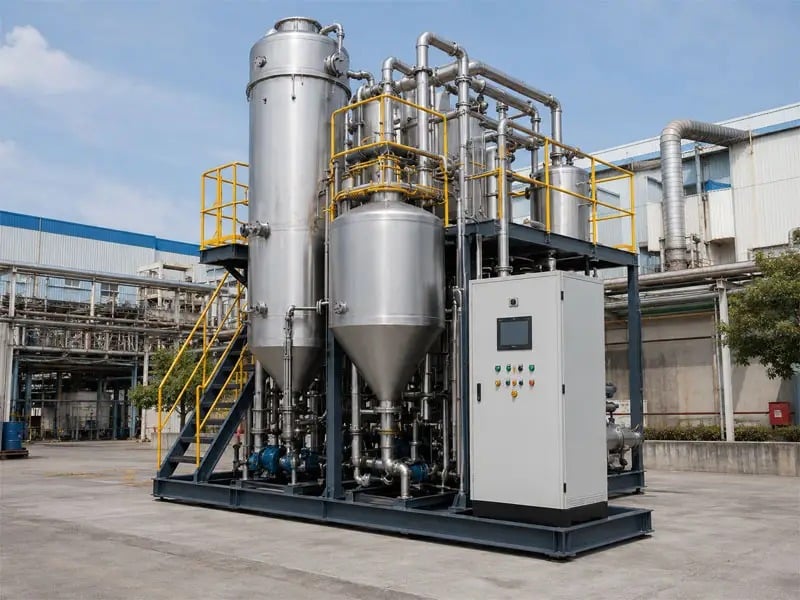
Developing a comprehensive service plan for industrial crystallization equipment is essential for maximizing operational efficiency and extending asset lifespan. Without a structured maintenance strategy, crystallizers face unexpected downtime, reduced product quality, and escalating repair costs. A well-designed service plan addresses preventive maintenance, scheduled inspections, and proactive spare parts management to keep your equipment performing optimally.
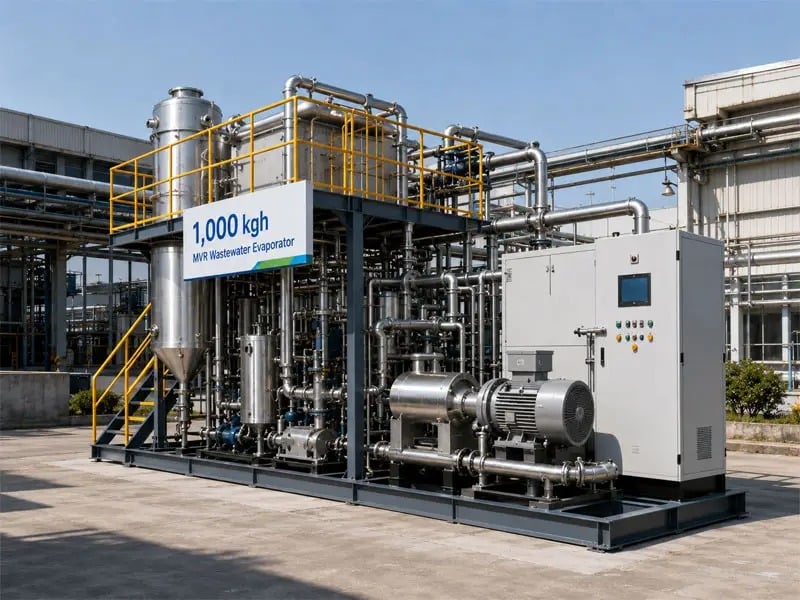
Industrial crystallization systems operate under demanding conditions involving high temperatures, corrosive solutions, and continuous mechanical stress. The maintenance strategy must account for these harsh environments and the equipment's critical role in chemical production, water treatment, and waste management processes. A robust service plan reduces unplanned shutdowns, improves safety compliance, and protects your investment in process reliability.
Preventive Maintenance and Inspection Protocols
Regular Equipment Inspections
Establishing a routine inspection schedule is the foundation of effective maintenance. Equipment inspections should cover mechanical components, heating and cooling systems, agitation mechanisms, and vessel structural integrity. Visual assessments help detect early signs of corrosion, scaling, seal degradation, and mechanical wear before they escalate into costly failures. Inspection intervals depend on operating frequency, product chemistry, and equipment design specifications.
Documentation of inspection findings creates a maintenance history that identifies recurring issues and trends. Tracking inspection data enables predictive maintenance planning, allowing you to schedule interventions during planned downtime rather than experiencing sudden breakdowns. Digital inspection checklists streamline the process and ensure consistency across multiple pieces of equipment or facility locations.
Scheduled Preventive Maintenance
Preventive maintenance reduces equipment stress and extends operational life. Maintenance activities include lubrication of moving parts, tightening of fasteners, verification of control systems, and testing of safety interlocks. The maintenance schedule should align with manufacturer recommendations and be adjusted based on equipment age, usage intensity, and operational environment. Establishing maintenance windows during low-production periods minimizes impact on manufacturing schedules.
Seasonal maintenance considerations are particularly important for crystallization equipment exposed to temperature fluctuations or seasonal demand variations. Pre-season inspections ensure equipment readiness before peak operating periods, while post-season maintenance addresses wear accumulated during intensive production cycles.
Cleaning, Scaling, and Corrosion Control
Cleaning Protocols and Scale Management
Cleaning represents a critical component of industrial crystallization equipment maintenance. Scale buildup on heating surfaces reduces thermal efficiency, while deposits inside the crystallizer interfere with product formation and equipment operation. The cleaning strategy must address both internal vessel cleaning and heat exchanger surface management. Frequency of cleaning depends on feedstock composition, operating temperature, and crystallization rates specific to your process.
Chemical cleaning using approved solvents and descaling agents removes stubborn deposits without damaging equipment materials. Mechanical cleaning methods such as brushing or circulation of cleaning solutions offer alternatives when chemical treatments are insufficient. The choice between methods depends on deposit composition, equipment materials of construction, and environmental regulations governing waste disposal.
Corrosion Prevention and Material Protection
Corrosion control ensures long-term reliability of crystallization equipment exposed to aggressive chemical environments. Material selection during equipment design provides the primary defense, but maintenance strategies must support ongoing protection. Inspection for corrosion initiation, coating integrity, and sacrificial protection system effectiveness forms part of the regular maintenance routine. Addressing minor corrosion promptly prevents penetration and structural weakness.
Protective coatings, anodizing, or specialized material treatments require inspection and maintenance verification. Corrosion-inhibiting additives in process solutions, when applicable to your chemistry, provide supplementary protection. Documentation of corrosion-related findings helps identify aggressive conditions requiring process parameter adjustments or enhanced preventive measures.
Spare Parts Strategy and Component Replacement
Critical Spare Parts Inventory
Maintaining strategic inventory of critical spare parts minimizes downtime risk for industrial crystallization equipment. High-wear components such as seals, bearings, agitator blades, and valve elements should be stocked based on replacement frequency and lead times from suppliers. The spare parts list should be developed with equipment manufacturers and refined through operational experience tracking component failure patterns.
Categorizing spares by criticality ensures resources focus on components whose failure directly halts production. Fast-moving spare parts require higher stock levels, while slow-moving specialized components may justify longer procurement lead times if backup equipment or alternative production routes exist. Inventory management systems track spares consumption, trigger reorders at predetermined thresholds, and prevent both stockouts and excessive capital tied up in unused inventory.
Component Replacement Intervals and Procedures
Establishing component replacement intervals based on manufacturer specifications and field experience prevents unexpected failures. Seals and gaskets typically require regular replacement regardless of visible condition due to degradation from chemical exposure and temperature cycling. Bearing replacement intervals depend on operating speed, load conditions, and lubrication effectiveness. Documenting actual component lifespan in your specific operating environment refines replacement schedules and optimizes maintenance planning.
Replacement procedures should include detailed work instructions, required tools, safety precautions, and quality verification steps. Training technicians on proper component replacement techniques ensures installations meet manufacturer specifications and function reliably. Using genuine replacement spares from qualified suppliers maintains equipment integrity and warranty coverage where applicable. Post-replacement testing verifies correct installation and equipment performance restoration.
FAQ
How frequently should industrial crystallization equipment receive inspection?
Inspection frequency depends on operating schedule and equipment complexity but typically ranges from monthly to quarterly for continuously operated systems. Heavily used equipment or systems processing corrosive materials may require more frequent inspections. Manufacturer recommendations provide baseline guidance, which should be adjusted based on facility experience and observed wear patterns. Establishing documented inspection schedules ensures consistency and creates records for maintenance planning.
What maintenance activities can facility staff perform versus requiring specialized contractors?
Routine maintenance including cleaning, lubrication, and visual inspection can typically be performed by trained facility staff. Complex activities such as seal replacement, internal component servicing, or heat exchanger maintenance often require specialized technicians familiar with crystallization equipment design. Developing relationships with qualified service providers ensures expertise availability when needed. Staff training programs expand in-house capabilities while specialized contractors handle work requiring unique equipment or certifications.
How should spare parts inventory be prioritized for crystallization equipment?
Prioritize spares by component criticality, failure frequency, and procurement lead time. Seal kits, wear-resistant internals, and bearing sets should typically be stocked given their regular replacement needs. Components with long lead times warrant higher safety stock to prevent production delays. Coordinate spares strategy with equipment manufacturers to identify components most prone to failure in your specific operating conditions and chemical environment.

 EN