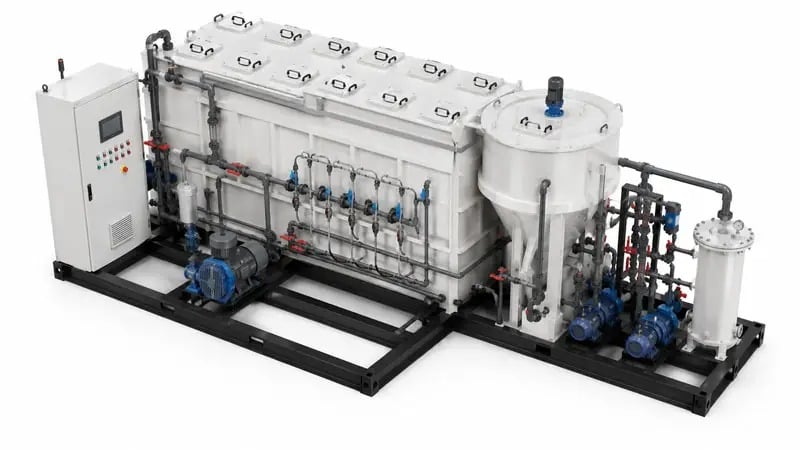
Water management represents one of the largest operating expense categories for industrial and municipal treatment facilities. Implementing water reuse strategies directly addresses this challenge by converting treated wastewater into a valuable resource rather than a disposal liability. A strategic approach to water treatment facility cost reduction requires understanding how reclaimed water integration impacts both capital investments and long-term operational economics.
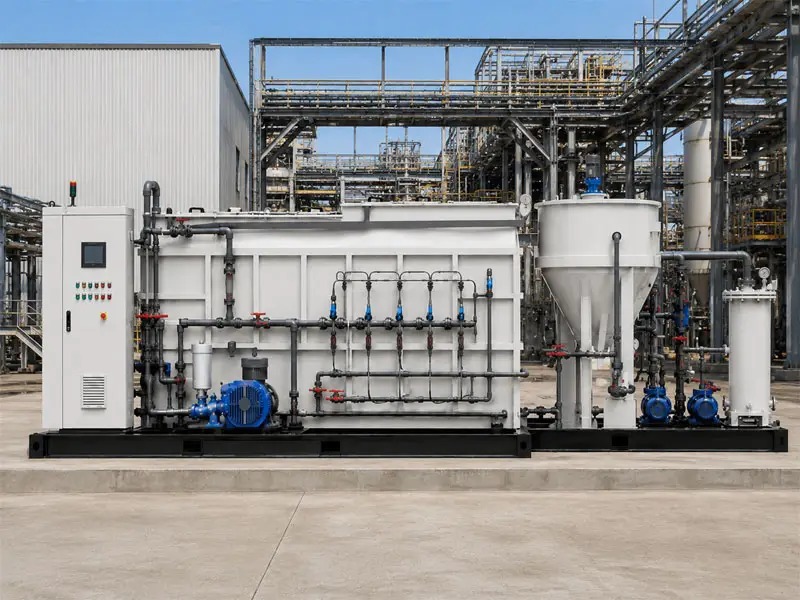
The economics of water reuse shift facility dynamics fundamentally. When a treatment operation captures and recycles treated effluent for secondary applications, the facility simultaneously reduces freshwater procurement costs, minimizes discharge penalties, and generates internal process water supply. This integrated approach transforms the traditional business case from a pure cost-containment exercise into a genuine operational profit center where water recycling delivers measurable financial returns.
Understanding the OPEX Impact of Water Reuse
How Reclaimed Water Reduces Operating Expenses
Operating expense reduction through water reuse emerges as the most immediate financial benefit for any treatment facility. When treated wastewater becomes process water or irrigation supply instead of requiring disposal, OPEX calculations shift dramatically. The facility avoids discharge fees, reduces incoming freshwater purchases, and lowers energy consumption associated with external water sourcing. A facility managing 500,000 gallons daily can recover substantial operating costs by recirculating a portion of treated effluent through reuse systems designed for specific secondary applications.
The OPEX advantage compounds when freshwater procurement costs are high or when regulatory discharge fees apply. Many industrial regions now impose escalating penalties for water discharge, making on-site reuse economically superior to traditional treatment-and-discharge models. By implementing reclaimed water systems, a facility can offset 20 to 40 percent of annual freshwater expenses depending on reuse application types and local water pricing conditions.
Capital Investment Versus Long-Term Savings
Water reuse infrastructure requires upfront capital, but the payback period typically ranges from 3 to 7 years in most industrial settings. Treatment facilities evaluating this business case must weigh initial equipment costs against cumulative OPEX reductions. Modern water reuse systems offer modular deployment options, allowing facilities to phase implementation and spread capital requirements. The business case strengthens when facilities can access grants, tax incentives, or environmental rebates that offset equipment investments.
Most facilities discover that the total cost of ownership strongly favors reuse implementation once multi-year savings accumulate. By year five, annual OPEX reductions typically exceed initial capital expenditure by a factor of 1.5 to 2.0, creating genuine financial advantage beyond environmental compliance.
Freshwater Reduction as a Revenue Driver
Converting Treatment into Sustainable Resource Recovery
Freshwater scarcity in many industrial regions has fundamentally changed water economics. Facilities that reduce freshwater demand position themselves as responsible operators while capturing real financial benefit. Each gallon of freshwater not procured represents both cost avoidance and reduced vulnerability to future water price increases. The business case for water reuse becomes increasingly compelling as municipal freshwater rates climb 3 to 5 percent annually in water-stressed regions.
Reclaimed water integration allows facilities to maintain production capacity while consuming less external freshwater, effectively decoupling operational growth from freshwater dependency. This strategic positioning appeals to industrial customers, regulators, and investors who increasingly evaluate facilities based on water stewardship metrics alongside traditional financial performance.
Secondary Market Opportunities for Reclaimed Water
Beyond internal reuse, treated wastewater can supply adjacent industrial operations, agricultural irrigation, or municipal non-potable applications. Facilities positioned to provide reclaimed water to external users create new revenue streams while reducing their own disposal burden. This secondary market dynamic transforms water reuse from a purely defensive cost-reduction measure into an active business opportunity that enhances overall facility profitability.
Building a Comprehensive Business Case for Water Reuse
Quantifying Tangible Financial Benefits
A robust business case for water treatment facility cost optimization requires detailed financial modeling across multiple OPEX categories. Facilities should quantify freshwater cost avoidance, discharge fee elimination, energy savings from reduced external sourcing, and potential revenue from reclaimed water sales. When these components are aggregated, the business case typically demonstrates annual savings of 15 to 30 percent compared to traditional treatment-only operations, depending on local water pricing and regulatory environment.
Most facilities find that the business case becomes stronger when they account for indirect benefits such as improved operational reliability, reduced environmental risk exposure, and enhanced corporate sustainability positioning. Industrial customers increasingly demand water efficiency metrics from suppliers, making water reuse implementation a competitive advantage that justifies capital investment.
Risk Mitigation and Long-Term Economic Security
Water scarcity and pricing volatility represent genuine operational risks for treatment facilities. Implementing water reuse fundamentals shields operations from freshwater supply disruptions and protects against regulatory cost increases. The business case extends beyond simple OPEX reduction to encompass strategic risk management where water independence becomes operational security.
Facilities that establish water reuse as core operational strategy demonstrate resilience during water-stressed periods when external supply may become restricted or prohibitively expensive. This defensive posture, combined with positive OPEX impact, creates compelling justification for board-level capital allocation decisions and positions facilities for sustainable long-term profitability.
FAQ
What percentage of water can treatment facilities realistically reuse?
Most treatment facilities can reuse 20 to 60 percent of processed water depending on treatment quality requirements and available secondary applications. Industrial reuse applications typically tolerate lower purity standards than potable supply, enabling higher reuse percentages. The specific reuse potential depends on local regulations, reclaimed water quality standards, and facility-specific process requirements.
How does the business case change with freshwater price increases?
As freshwater costs rise, water reuse economics improve dramatically. Each 10 percent increase in municipal freshwater rates translates to approximately 8 to 12 percent improvement in water reuse financial returns, depending on system design and local circumstances. Facilities in regions with escalating freshwater pricing experience accelerated payback periods and higher long-term OPEX reduction benefits.
Can water reuse systems integrate with existing treatment infrastructure?
Modern water reuse technologies support modular integration with existing treatment facilities through parallel process streams and flexible connection points. Most systems require minimal structural modification and can be deployed without disrupting ongoing treatment operations. Careful system design ensures that water reuse infrastructure complements rather than competes with existing equipment capacity.

 EN