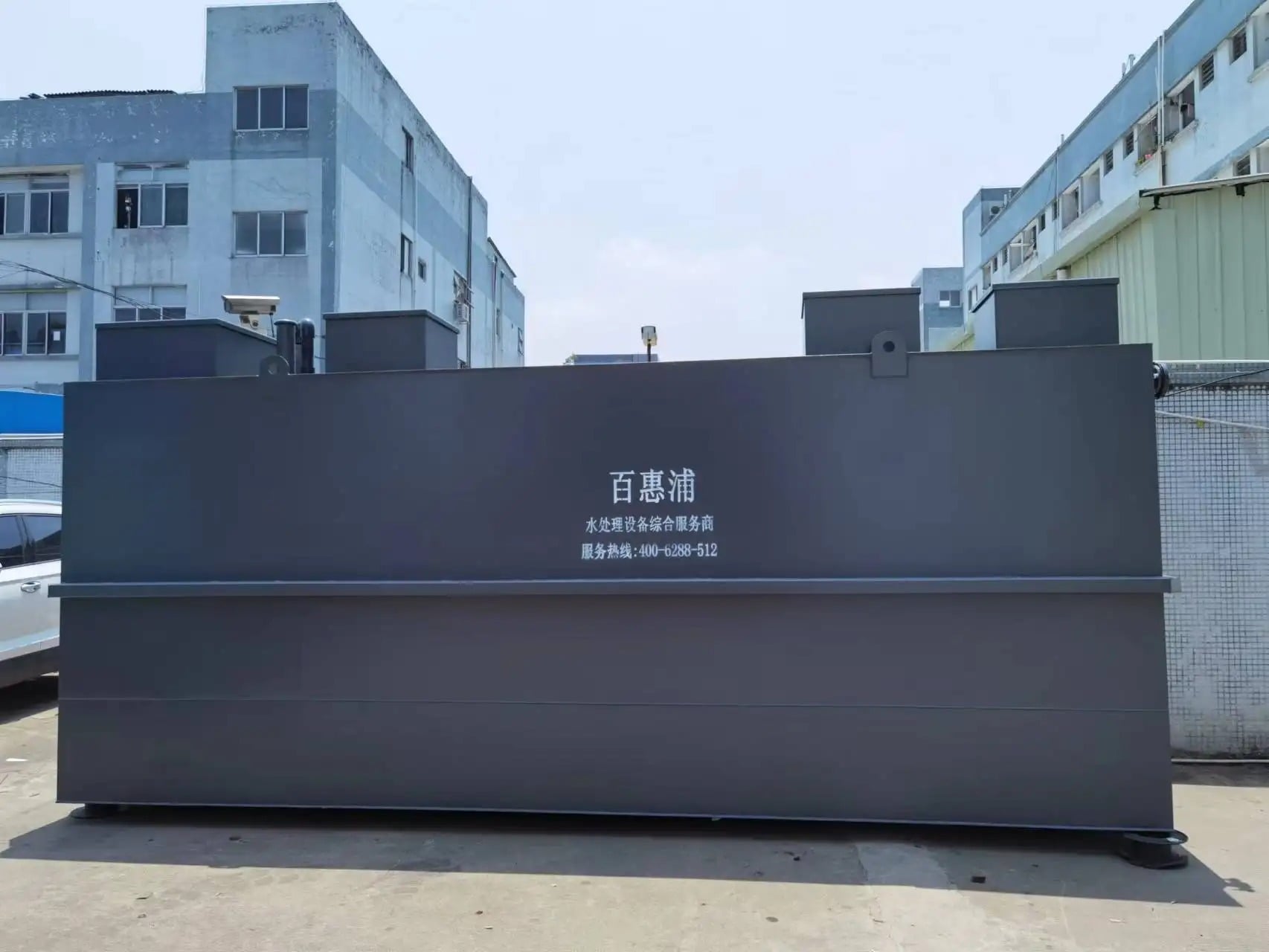
Electroplating operations generate significant wastewater streams laden with heavy metals, complex organics, and residual processing chemicals. Managing electroplating wastewater treatment efficiently remains one of the highest operational cost drivers for manufacturers. Chemical consumption during treatment often exceeds the cost of the electroplating process itself, making reduction strategies critical for profitability and environmental compliance.
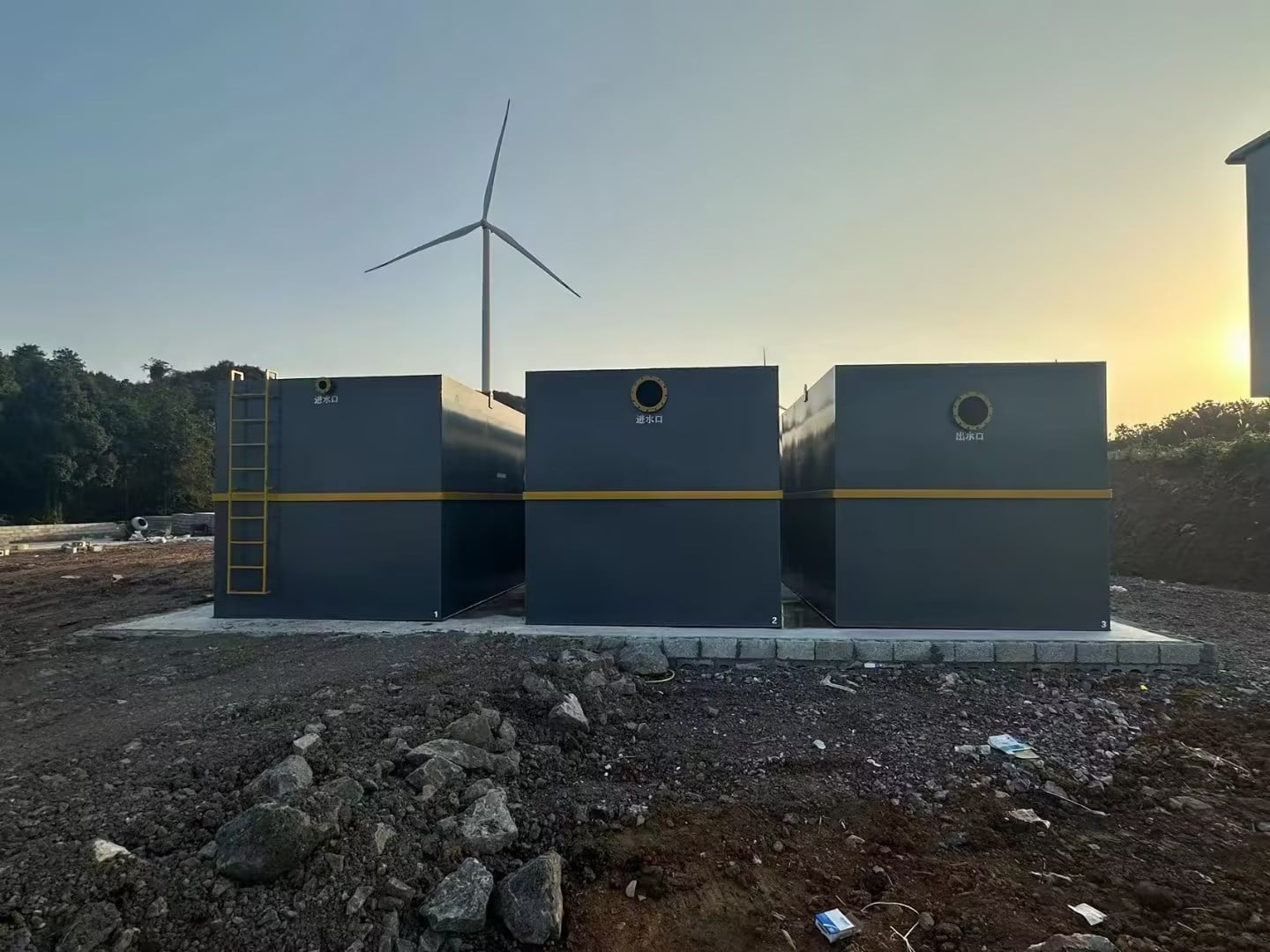
Reducing chemical consumption without compromising treatment quality demands a systematic approach combining process optimization, equipment selection, and real-time monitoring. Industrial facilities implementing evidence-based reduction methods report 30 to 50 percent decreases in chemical expenditures while maintaining regulatory compliance and product quality standards. This article explores actionable strategies for minimizing electroplating chemical usage throughout treatment workflows.
Understanding Chemical Requirements in Electroplating Treatment Processes
Sources of Chemical Demand in Wastewater Streams
Electroplating operations discharge wastewater containing heavy metals such as copper, nickel, chromium, and zinc, alongside organics from degreasing and plating solutions. Chemical treatment requires precipitation agents, pH buffers, coagulants, and flocculants to remove these contaminants. Each electroplating facility generates a unique wastewater profile based on plating chemistry, rinsing protocols, and production schedules, meaning chemical dosing must match actual wastewater composition rather than relying on generic dosing formulas.
Why Chemical Consumption Escalates Without Optimization
Many electroplating facilities apply fixed chemical doses based on worst-case assumptions or outdated treatment records. This over-dosing approach guarantees compliance but wastes resources through excess pH adjustment, precipitation chemicals, and coagulation aids. Without real-time monitoring of wastewater parameters, operators cannot dial in optimal chemical ratios, resulting in unnecessary consumption that directly impacts treatment costs and sludge generation volumes.
Implementing pH Optimization and Real-Time Monitoring
pH Control as a Primary Cost Reduction Lever
pH directly governs heavy metal precipitation efficiency and the effectiveness of coagulants in electroplating wastewater treatment systems. Metals precipitate most efficiently within narrow pH windows—typically between 8 and 9 for copper and nickel removal. Operating outside these windows wastes acid or base chemicals while reducing metal removal rates, forcing operators to increase flocculant and settling agent doses to compensate. Automated pH control systems that maintain setpoints within 0.2 units reduce overall chemical consumption by 15 to 25 percent compared to manual pH adjustment methods.
Sensor Technology and Continuous Feedback
Real-time pH, ORP, and conductivity sensors enable operators to respond immediately to wastewater composition changes rather than assuming treatment tank contents remain stable. Electroplating shops processing different alloys or product types generate wastewater batches with varying metal loads and acid concentrations. Continuous monitoring reveals these variations, allowing proportional chemical dosing that matches actual demand. Advanced systems integrate sensor feedback with automated dosing pumps, eliminating human judgment delays and ensuring chemicals remain at optimal consumption levels.
Process Modifications and Equipment Selection Strategies
Segregation of Wastewater Streams
Many electroplating facilities combine all wastewater into a single treatment tank, creating a mixed liquor with unpredictable composition and elevated chemical requirements. Separating acid rinse water, alkaline rinsing streams, and drag-out solutions before treatment allows targeted chemical application matched to each stream's profile. Acid rinses require only precipitation chemicals and settling aids, while alkaline streams often need minimal pH adjustment. This segregation reduces overall electroplating chemicals required by 20 to 35 percent because each treatment stage uses only the agents necessary for that specific waste composition.
Coagulant and Flocculant Selection for Efficiency
Traditional polyaluminum chloride and ferric chloride coagulants demand higher dosages than newer polymeric alternatives when treating electroplating wastewater. Synthetic polyelectrolytes optimized for heavy metal removal require 30 to 40 percent lower chemical mass to achieve equivalent settling rates and clarified effluent quality. Testing candidate coagulants with your facility's actual wastewater through jar tests reveals optimal electroplating chemicals and doses before full-scale implementation, preventing expensive trial-and-error consumption on the production line.
Advanced Treatment Optimization and Sludge Reduction
Precipitation Chemical Dosing Precision
Precipitation agents such as sodium hydroxide or lime represent 40 to 50 percent of chemical costs in most electroplating wastewater treatment operations. Over-dosing these chemicals elevates final pH excessively, creating excess sludge and requiring acid neutralization to return pH to acceptable discharge limits. Titration-based dosing systems measure actual heavy metal concentrations in incoming wastewater and calculate precise alkali quantities needed for complete precipitation without excess. This approach reduces both the primary chemical (alkali) and secondary chemicals (acid neutralizers) consumed throughout treatment cycles.
Sludge Dewatering and Recycling Opportunities
Treatment sludge from electroplating wastewater often contains recoverable metals and unreacted treatment chemicals. Implementing mechanical dewatering through filter presses or centrifuges reduces sludge volume by 60 to 70 percent compared to settling and disposal, lowering overall chemical impact and disposal costs. Some facilities recover metallic content through hydrometallurgical processing, effectively converting treatment sludge into a revenue stream rather than a cost center, which indirectly justifies investment in optimization and reduces operating pressures to minimize chemical usage.
FAQ
What is the typical return on investment for electroplating wastewater treatment optimization?
Most electroplating facilities achieve payback on monitoring and automation systems within 18 to 36 months through chemical savings alone, with payback accelerating if sludge volume reduction or regulatory penalty avoidance is factored in. A mid-sized plating shop processing 500 to 1000 gallons daily can reduce monthly chemical costs by $2,000 to $5,000, translating to annual savings of $24,000 to $60,000 after system costs.
How does wastewater segregation improve chemical efficiency in electroplating treatment?
Segregating acid and alkaline electroplating streams prevents pH extremes that force excessive chemical correction. Acid rinse water requires only metal precipitation and settling agents, while alkaline streams often bypass pH adjustment entirely. Treating streams separately reduces the total chemical dose needed across all streams by allowing targeted treatment matched to each stream's actual composition and contaminant profile.
Can existing electroplating wastewater treatment systems be retrofitted with optimization technology?
Yes, most existing systems accommodate sensor installation, automated dosing pumps, and control logic upgrades without full replacement. Retrofitting existing tanks with real-time monitoring and proportional chemical dosing is often more cost-effective than purchasing new treatment equipment. Facilities can implement improvements in phases, starting with pH optimization and advancing to stream segregation or advanced coagulant trials as budget and operational capacity allow.

 EN