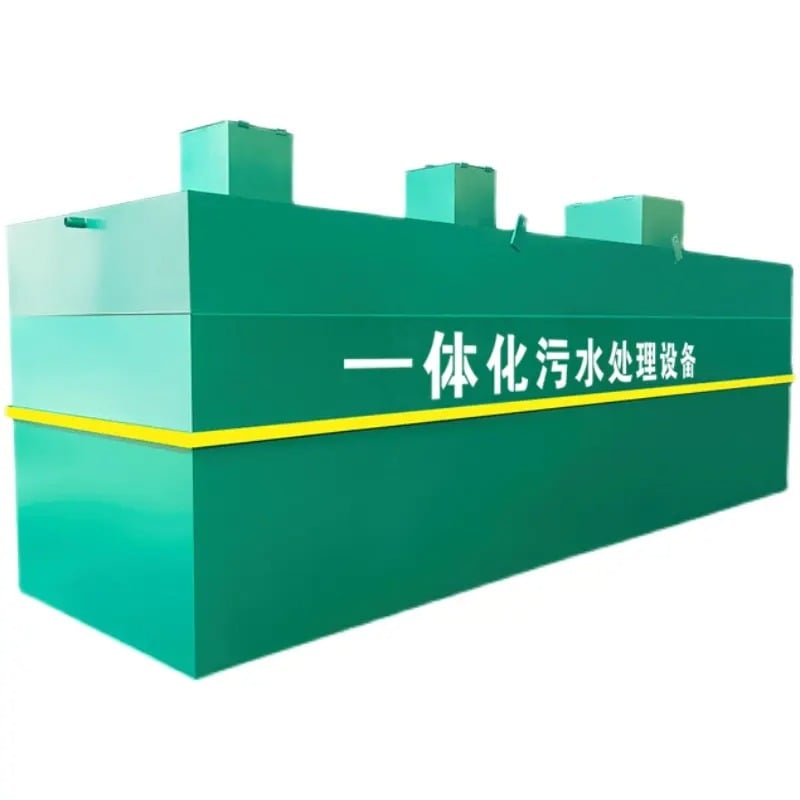
Effective sludge handling is critical to the success of any heavy metal wastewater treatment operation. Industrial facilities that process wastewater containing heavy metals—such as lead, cadmium, chromium, and zinc—must develop comprehensive plans to manage the solids generated during treatment. The strategy you choose directly affects compliance costs, environmental liability, operational efficiency, and long-term sustainability of your facility. Without proper planning, you risk regulatory violations, increased treatment expenses, and potential environmental contamination.
Planning sludge handling requires understanding the complete lifecycle of solids from generation through final disposal. Heavy metals concentrate in sludge during treatment processes, making proper management essential for protecting both your operation and the environment. This guide walks through the practical steps to design a sludge handling system that reduces liability, meets regulatory requirements, and optimizes your heavy metal wastewater treatment outcomes.
Understanding Sludge Generation and Composition
How Heavy Metals Concentrate in Sludge
When you treat wastewater containing heavy metals, precipitation and coagulation processes cause these metals to form insoluble compounds that settle as sludge. The composition and volume of sludge depends on the inlet metal concentrations, treatment chemistry, and process efficiency. Facilities handling multiple heavy metals generate mixed-composition sludge that requires specialized handling. Understanding your specific sludge characteristics—moisture content, metal concentrations, particle size distribution, and potential leachability—is foundational to selecting appropriate dewatering and disposal methods.
Regulatory Framework for Heavy Metals Sludge
Sludge containing heavy metals falls under strict regulatory oversight in most jurisdictions. The U.S. Environmental Protection Agency classifies metallic sludge as a hazardous waste if it fails the toxicity characteristic leaching procedure (TCLP) test. Your facility must characterize sludge regularly, maintain compliance documentation, and ensure that disposal pathways comply with local, state, and federal regulations. Regulatory requirements often dictate minimum treatment standards before disposal, making early planning critical to avoid costly reworking or emergency disposal scenarios.
Dewatering Technologies and Selection Criteria
Dewatering as a Core Planning Step
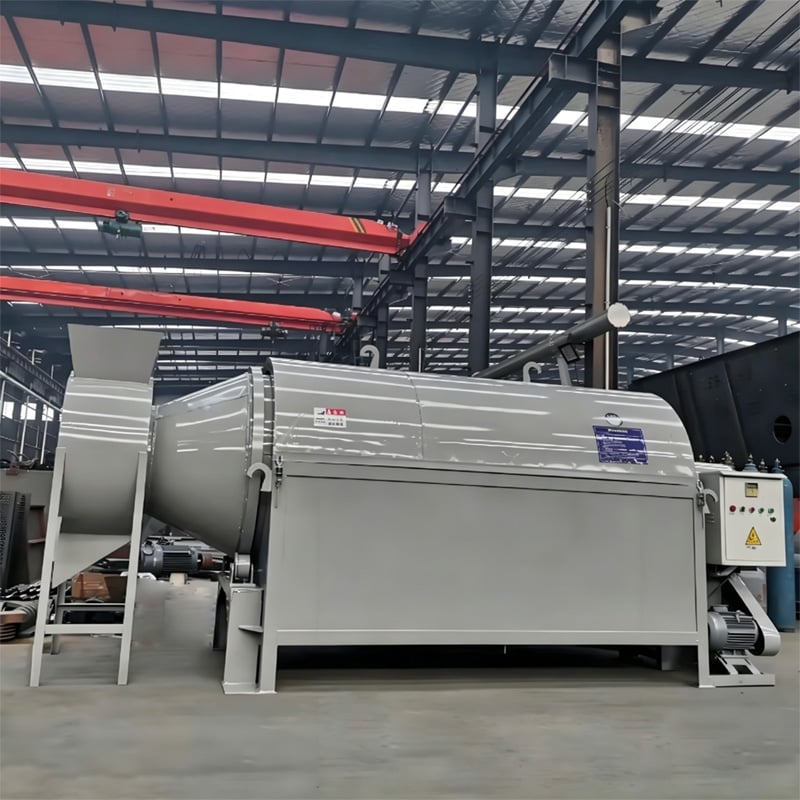
Dewatering reduces sludge volume significantly, lowering transportation and disposal costs. The heavy metal wastewater treatment process generates wet sludge that is expensive to handle and transport. Common dewatering technologies include belt press filters, plate and frame filters, centrifuges, and rotary vacuum filters. Each technology has different operating costs, capital requirements, and suitability depending on your sludge characteristics. Selecting the right dewatering approach early in your planning reduces operational burden and improves your disposal economics.
Evaluating Technology Fit for Your Operation
Your choice of dewatering technology should align with sludge volume, metal types, local climate, available space, and disposal endpoint. Belt press filters work well for moderate volumes with good cake release. Centrifuges handle variable sludge properties but require higher power input. Rotary vacuum filters excel with fine particles but demand more maintenance. Industrial operations managing heavy metals often combine multiple dewatering stages to achieve optimal dryness. Equipment selection should also consider capital investment, labor requirements, and integration with your existing heavy metal wastewater treatment infrastructure.
Disposal Pathways and Long-Term Management
Evaluating Disposal Options
Sludge disposal depends on heavy metals concentration, regulatory classification, and available endpoints in your region. Permitted landfills that accept hazardous waste are a common option for non-recyclable sludge. Specialized facilities may accept sludge for thermal treatment, metal recovery, or stabilization. Some operations pursue metal recovery if the precious metal content justifies the processing cost. Your disposal strategy must account for long-term liability, potential future regulatory changes, and cost stability. Planning multiple disposal pathways reduces dependency on any single facility and ensures operational flexibility.
Stabilization and Immobilization Techniques
Before disposal, many facilities stabilize sludge to reduce leachability of heavy metals and improve handling characteristics. Solidification using cement, kiln dust, or proprietary binders encapsulates metals and reduces mobility in landfill environments. Chemical fixation methods convert soluble metals into stable compounds. Thermal treatment can achieve higher degrees of immobilization but carries higher energy costs. Your heavy metal wastewater treatment plan should include pre-disposal stabilization to enhance safety, reduce environmental risk, and often satisfy stricter disposal criteria.
FAQ
What factors should drive sludge handling technology selection?
Sludge volume, dewatering performance target, sludge cake dryness, available space, power availability, skilled labor, and capital budget all influence technology choice. Heavy metals concentration and specific metal types also matter because some metals require specialized handling or stabilization. Compare total cost of ownership—not just equipment purchase price—including operation, maintenance, and disposal costs over the asset lifetime. Pilot testing on your actual sludge often justifies the investment before full-scale deployment.
How often should sludge be tested for regulatory compliance?
Regulatory frequency depends on your jurisdiction and facility classification. Many facilities test sludge quarterly or semi-annually, though some regulations require testing every batch or more frequently during startup phases. Heavy metal wastewater treatment operations should establish a baseline characterization and then follow a schedule that satisfies local requirements. Regular testing documents compliance, supports disposal approvals, and reveals process changes that might affect treatment effectiveness.
Can dewatering reduce disposal costs significantly?
Yes, effective dewatering typically reduces sludge mass by 60–80%, directly lowering transportation, tipping fees, and overall disposal expense. Reduced volume also improves storage efficiency and operational flexibility. The capital and operating costs of dewatering equipment must be weighed against disposal savings, but for most industrial operations handling substantial heavy metals volumes, dewatering returns its investment within two to five years through disposal savings alone.

 EN