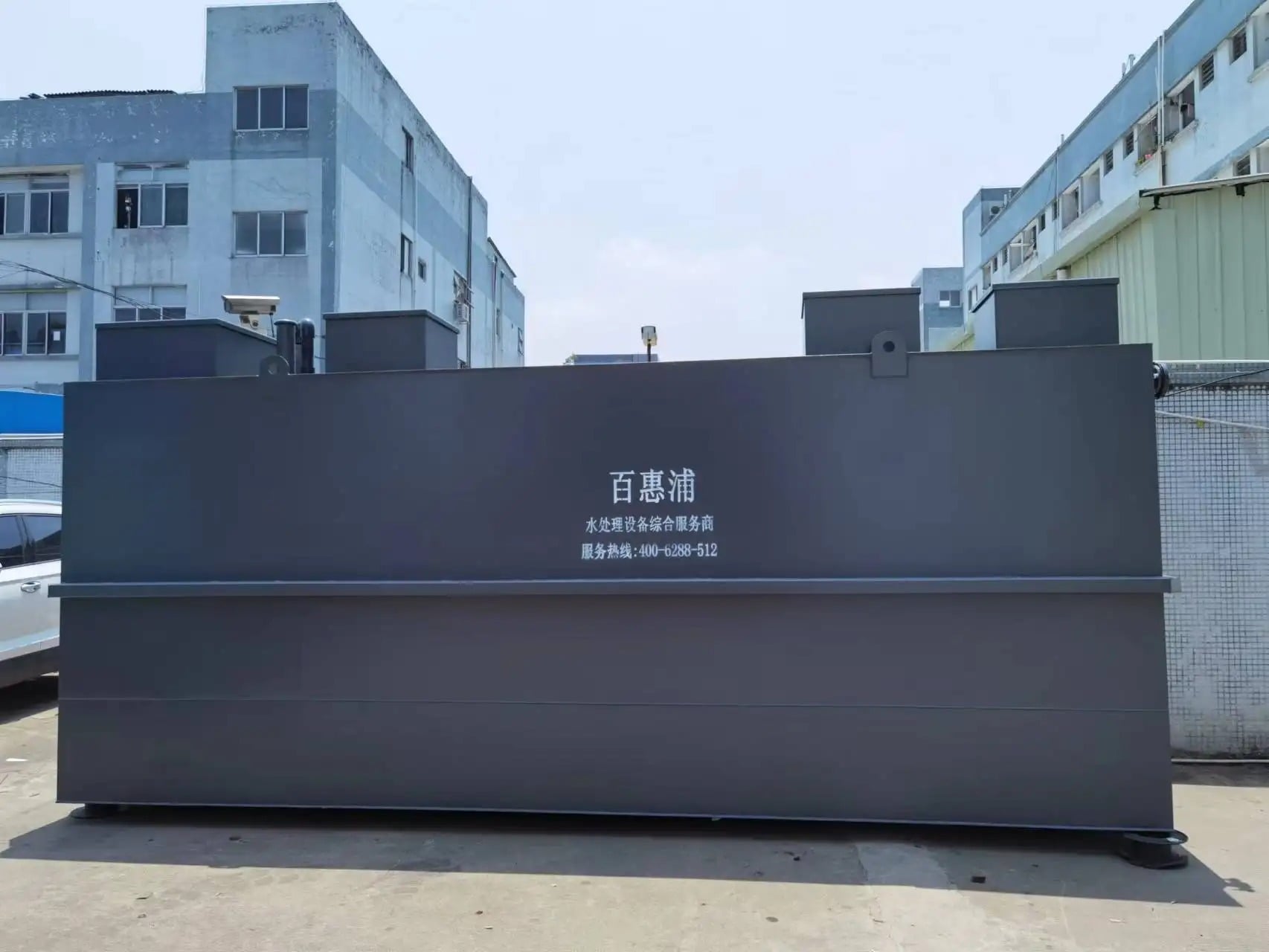
Food and beverage wastewater treatment facilities face significant operational challenges due to highly variable inlet flows and contaminant concentrations. Effective equalization planning is essential for stabilizing wastewater characteristics and ensuring consistent treatment performance. Without proper equalization strategy, peak load events can overwhelm downstream processes, leading to effluent quality violations, increased operating costs, and system inefficiency. This guide addresses the critical planning steps necessary to design and implement equalization systems that enhance the reliability and cost-effectiveness of food and beverage wastewater treatment facilities.
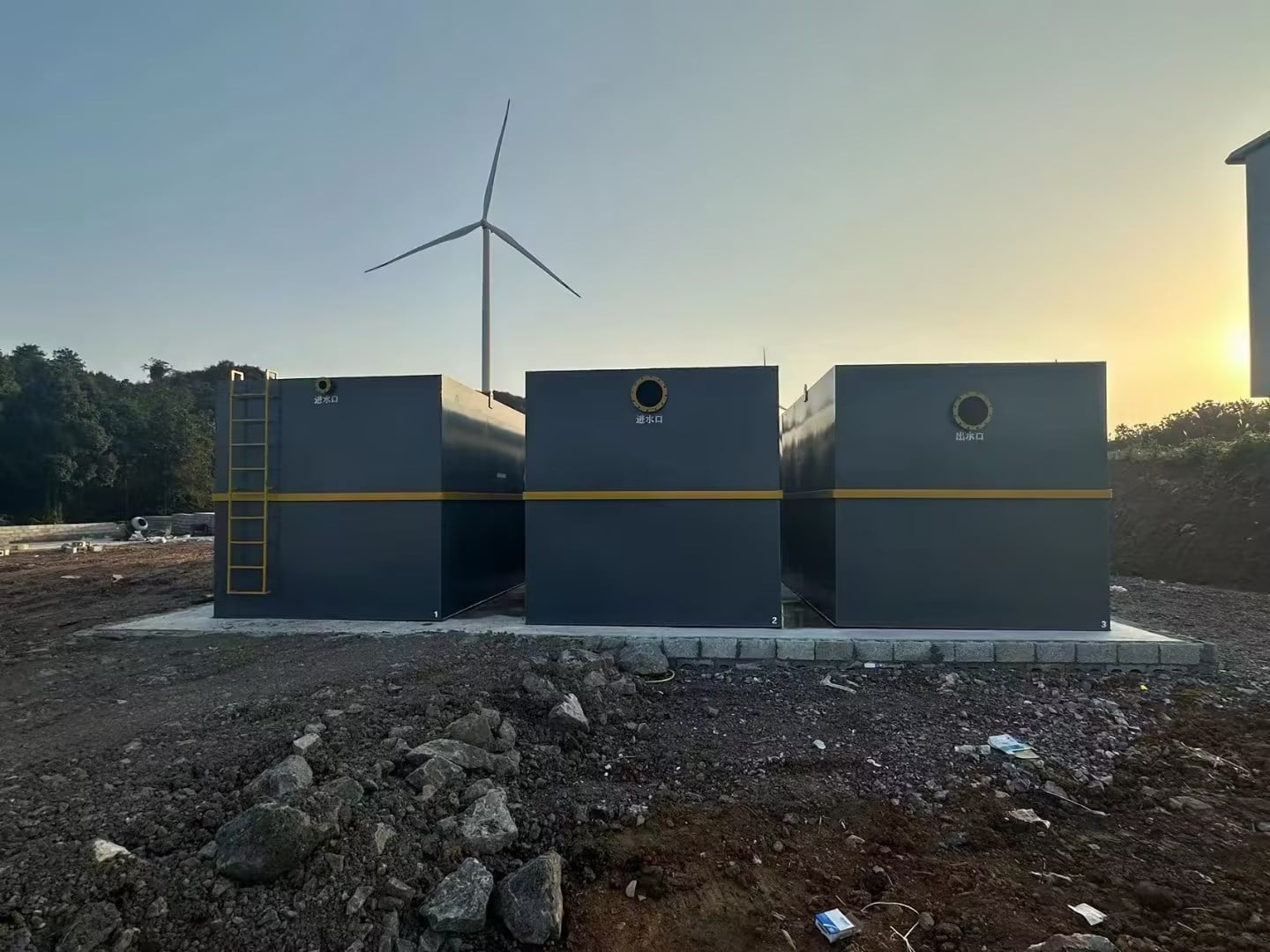
Food processing and beverage production generate wastewater with fluctuating organic loads, pH variations, and suspended solids that differ dramatically throughout operating hours. Peak load conditions during processing shifts can stress biological treatment reactors, reduce COD removal efficiency, and compromise system stability. Strategic equalization reduces these operational stresses by smoothing flow rates and normalizing contaminant concentrations before wastewater enters primary and secondary treatment stages. Understanding the equalization planning process enables facility managers to select appropriate tank sizing, retention time, mixing strategies, and monitoring protocols that align with their specific production patterns and treatment objectives.
Understanding Equalization Objectives in Wastewater Systems
Flow Stabilization and Peak Load Management
The primary objective of equalization is to dampen hydraulic and organic load fluctuations inherent to food and beverage production. Manufacturing facilities typically experience three to five times variation between minimum and maximum flow rates depending on production schedules, cleaning procedures, and seasonal demand. Without equalization, peak load surges can cause inadequate retention time in biological reactors, reducing COD removal efficiency and risking nitrification instability. Equalization tanks provide surge capacity that absorbs peak flows and releases wastewater at controlled rates, enabling downstream treatment processes to operate within their designed hydraulic and organic loading parameters. This flow smoothing is particularly critical for facilities with extended seasonal variations or those operating multiple product lines with incompatible waste streams.
Quality Buffer for pH and Contaminant Concentration
Food and beverage wastewater exhibits significant pH swings due to production practices, cleaning chemicals, and process-specific ingredients. Equalization provides a quality buffer that moderates pH fluctuations before wastewater enters biological treatment systems, which are sensitive to pH extremes. High-strength waste streams from product concentration or cleaning operations can generate local COD spikes that destabilize microbial communities in activated sludge or biofilm reactors. By averaging these high-strength pulses over a longer retention time in the equalization tank, the system protects downstream biological processes from shock loading. This buffering capacity reduces the need for aggressive chemical pH adjustment and allows biological treatment systems to maintain consistent microbial activity and treatment efficiency.
Key Planning Parameters for Equalization Design
Determining Equalization Tank Volume and Retention Time
Equalization tank volume must be calculated based on historical flow data, production schedules, and desired retention time to manage peak load events. Designers typically analyze 24-hour flow profiles to identify the cumulative flow deficit that occurs when instantaneous flow exceeds the average daily flow rate. This cumulative deficit equals the minimum equalization volume required to absorb peak flow surges. For food and beverage wastewater treatment, retention times of 4 to 12 hours are common, depending on the degree of flow variation and the sensitivity of downstream processes. Longer retention times provide greater buffering capacity but increase capital costs and may promote solids settling and odor generation. The balance between cost and operational stability must be evaluated based on the facility's specific flow patterns and peak load characteristics.
Assessing COD Load Variation and Mixing Requirements
Beyond flow volume, equalization planning must account for COD variations in incoming wastewater. Different product lines, processing stages, and cleaning cycles generate wastewater with widely different organic concentrations. Equalization tanks require adequate mixing to blend high-strength and low-strength waste streams, preventing stratification and ensuring representative samples for process control. Mechanical aeration or recirculation pumps maintain mixing while minimizing energy consumption and foam generation. The design must ensure that COD levels at the tank outlet remain within the operating range that biological treatment systems can tolerate. For facilities producing multiple product types with distinct wastewater characteristics, separate equalization streams or sequential equalization stages may be necessary to prevent incompatible waste mixing that could inhibit biological treatment.
Operational Implementation and Monitoring Strategy
Real-Time Monitoring and Process Control
Effective equalization requires continuous monitoring of inlet flow, pH, COD, and tank level to optimize system operation and respond to upset conditions. Flow meters provide real-time data for adjusting pump discharge rates, ensuring the equalization tank operates within designed retention times and prevents overflow during peak load periods. pH probes detect acidic or alkaline excursions that signal process changes or equipment failures, triggering operator response before wastewater quality impacts downstream systems. Laboratory or online COD monitoring tracks organic loading trends and guides decisions about food and beverage wastewater treatment process adjustments. Tank level monitoring prevents excessive drawdown, which reduces mixing effectiveness and retention time, while preventing overflow that bypasses treatment. Automated alarms for critical parameters enable rapid response to deviations before they propagate through the treatment train.
Solids Management and Maintenance Protocol
Equalization tanks accumulate settled solids from incoming wastewater, requiring regular cleaning to prevent septic conditions, odor generation, and reduced tank volume. The frequency of solids removal depends on incoming solids concentration, retention time, and tank geometry. Longer retention times increase sludge accumulation and may necessitate more frequent desludging. Operators must establish a preventive maintenance schedule that balances solids removal with the operational disruption caused by tank dewatering and cleaning. Sludge removed from equalization tanks must be characterized for disposal or further treatment to ensure compliance with solids handling regulations. For facilities with seasonal production variations, equalization tank cleaning may be more intensive during high-production periods when solids loading peaks. Proper maintenance ensures the equalization system sustains the flow and quality stabilization necessary to support consistent food and beverage wastewater treatment performance over extended operating cycles.
FAQ
What is the minimum equalization tank volume for a food and beverage processing facility?
The minimum volume depends on the cumulative flow deficit calculated from 24-hour flow monitoring data. Most facilities require storage equivalent to 4 to 12 hours of average daily flow. Facilities with highly variable production schedules or multiple product lines may need larger volumes. Consulting historical flow records and conducting a hydraulic mass balance analysis specific to your facility's production patterns provides the most accurate estimate for equalization tank sizing.
How does equalization impact COD removal efficiency downstream?
Equalization reduces shock loading on biological treatment systems by smoothing COD pulses over time. This allows microorganisms in activated sludge or biofilm reactors to maintain stable metabolic activity and achieve higher overall COD removal rates. Without equalization, peak COD concentrations can exceed the treatment system's capacity, resulting in incomplete oxidation and elevated effluent COD. By stabilizing incoming COD levels and managing peak load stress, equalization improves both treatment efficiency and effluent compliance in food and beverage wastewater treatment operations.
What mixing strategy is best for equalization tanks in food and beverage wastewater treatment?
Mechanical aeration using diffusers or recirculation pumping provides effective mixing while avoiding excessive foam and odor generation. Aeration also promotes aerobic conditions that reduce septicity and odor in the equalization tank. For some facilities, jet aeration or submersible mixers offer energy-efficient alternatives. The choice depends on tank volume, wastewater characteristics, and energy costs. Ensure mixing intensity is sufficient to prevent stratification and solids settling, while avoiding unnecessary aeration costs that reduce operational economy.

 EN