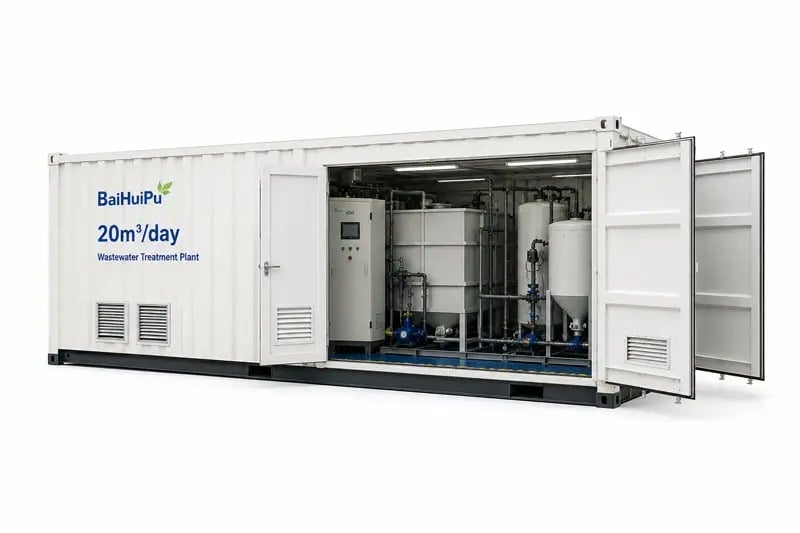
Deploying a containerized sewage treatment plant requires careful planning beyond equipment selection. A containerized sewage treatment plant is a compact, self-contained wastewater solution that must be positioned on properly prepared ground to function safely and efficiently. Many facility managers underestimate the complexity of site preparation, leading to installation delays, structural issues, and operational failures. Understanding how to estimate site preparation needs is essential for project success, budget accuracy, and timeline adherence.
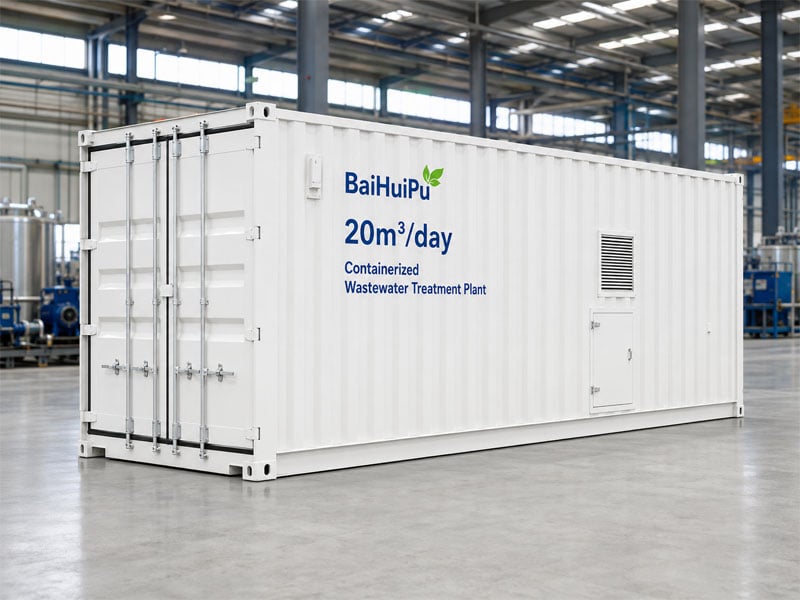
The estimation process begins with understanding your specific site conditions and the technical requirements of your containerized sewage treatment plant. Site preparation encompasses multiple disciplines including ground assessment, foundation construction, utility routing, and access pathway development. Each element demands precise calculation based on local soil composition, climate, regulatory standards, and facility throughput. This article guides facility managers through the complete estimation process.
Assessing Foundation and Ground Stability Requirements
Soil Bearing Capacity and Site Preparation Assessment
Foundation stability is the first critical factor in site preparation. A containerized sewage treatment plant typically weighs between 15 and 40 tons depending on capacity, and this load must be distributed across soil capable of supporting it without settling or shifting. Begin by conducting a geotechnical survey to determine soil bearing capacity, which measures how much weight the ground can support per unit area. Poor soil conditions require reinforcement through compacted fill, gravel bases, or concrete slabs.
Site preparation work should account for seasonal variations in groundwater level. If your site experiences flooding or high water tables, foundation requirements escalate significantly. Elevated installation platforms, drainage systems, or concrete pads may be necessary. Soil composition analysis reveals whether native soil can be used or if imported materials are required. Sandy soils may need stabilization, while clay soils demand careful drainage planning. Budget site preparation costs proportionally to soil investigation findings.
Concrete Foundation and Drainage Design
Most containerized sewage treatment plants require a reinforced concrete foundation slab to distribute weight evenly and prevent differential settling. The foundation thickness typically ranges from 4 to 8 inches depending on load calculations and local building codes. Site preparation includes excavation, subgrade preparation, compaction verification, and concrete finishing. Drainage beneath and around the foundation prevents water accumulation that could compromise structural integrity. Perimeter grading should direct surface water away from the equipment housing.
Utilities Planning and Connection Integration
Electrical, Water, and Wastewater Access Routes
Utilities represent a major component of site preparation complexity. Your containerized sewage treatment plant requires three primary utility connections: electrical supply, influent wastewater input, and effluent discharge. Site preparation must account for trenching depth, separation distances, and protection measures required by code. Electrical service requires conduit protection and proper grounding, typically buried 24 to 36 inches deep depending on local standards. Utilities must be positioned to prevent accidental damage and allow safe access for maintenance.
Wastewater inlet connections demand proper slope for gravity flow or pumping provision if gravity is unavailable. Discharge lines must route to treatment wetlands, municipal systems, or disposal areas without creating flooding risks during peak flow events. Site preparation includes pipe bedding, protective casing in high-traffic areas, and isolation valves for maintenance isolation. Plan utility routes during initial site surveying to avoid costly rework and service interruptions.
Infrastructure Coordination and Space Allocation
Site preparation includes coordinating utilities with other site infrastructure. Underground utilities from adjacent buildings or utilities must be located and marked before excavation begins. Mark locations of gas lines, telecommunications, water mains, and sewer connections to prevent strikes. Horizontal separation between utility lines typically ranges from 12 to 24 inches depending on line types. Maintain clearance from building foundations and property lines as specified in local codes. Professional utility locating services reduce risk and support accurate site preparation estimation.
Access Pathways and Equipment Delivery Planning
Roadway and Entry Point Requirements
Site preparation must ensure adequate access for equipment delivery, installation, and ongoing maintenance. The containerized sewage treatment plant arrives on specialized flatbed trucks requiring 12-foot minimum width roads with 8-foot clearance under overhead obstacles. Assess whether existing pathways support 40-ton vehicle loads or if reinforced roadways must be constructed. Roadway site preparation includes compacted gravel, asphalt, or concrete surfaces depending on traffic frequency and local conditions. Calculate parking space requirements for service vehicles, chemical delivery trucks, and maintenance crew access.
Drainage Access and Operational Movement Space
Beyond equipment delivery, site preparation must accommodate ongoing operational access. Maintain 6-foot clearance around the containerized sewage treatment plant for cleaning, component inspection, and emergency access. Drainage areas should allow water removal without entering operational zones. Install walkways or reinforced areas where operators traverse regularly. Emergency response routes require clear pathways to equipment control panels and disconnect points. Site preparation planning should anticipate future expansion or component replacement requiring equipment movement.
FAQ
What is the typical timeline for site preparation before installing a containerized sewage treatment plant?
Site preparation typically requires 2 to 6 weeks depending on soil conditions, utility complexity, and local permitting requirements. Simple sites with good drainage and accessible utilities may complete in 2 weeks, while challenging sites with poor soil stability or extended utility routing require 6 weeks or longer. Geotechnical surveys, permit approvals, and weather conditions all influence timeline. Planning site preparation early in the project lifecycle prevents installation delays.
How much does site preparation cost for a containerized sewage treatment plant installation?
Site preparation costs typically represent 15 to 35 percent of total project expense depending on site conditions. Simple installations on prepared ground may cost $5,000 to $15,000, while challenging sites with poor soil, extended utility runs, or drainage requirements may exceed $40,000. Foundation work, utility trenching, and roadway construction drive most costs. Obtain detailed geotechnical reports and multiple contractor quotes to establish accurate budgets before finalizing project timelines.
Can a containerized sewage treatment plant be installed on sloped or uneven terrain?
Sloped terrain complicates site preparation but does not prevent containerized sewage treatment plant installation. Slopes exceeding 5 percent typically require extensive grading, retaining walls, or fill material to create level foundation areas. Sloped sites benefit from natural drainage but demand careful foundation design to prevent differential settling. Professional site engineers assess slope stability, drainage patterns, and foundation requirements specific to your terrain. Budget additional site preparation costs when slope correction is necessary.

 EN