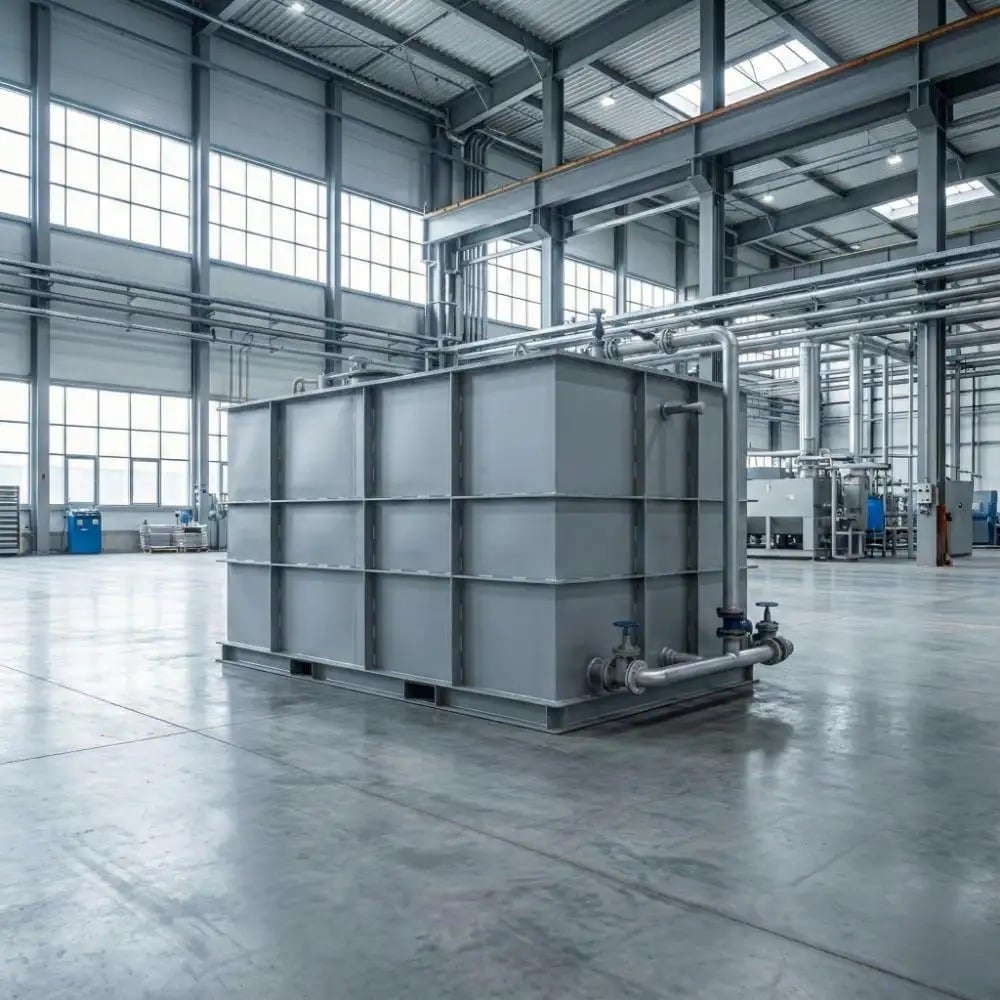
Selecting the right treatment infrastructure is one of the most critical decisions for any industrial or municipal facility. Whether you are managing a manufacturing plant, food processing operation, or municipality, the choice between waste water systems fundamentally shapes your operational efficiency, capital investment, and long-term compliance. The decision is not simply about cost but about understanding which solution aligns with your specific operational constraints, regulatory requirements, and growth trajectory.
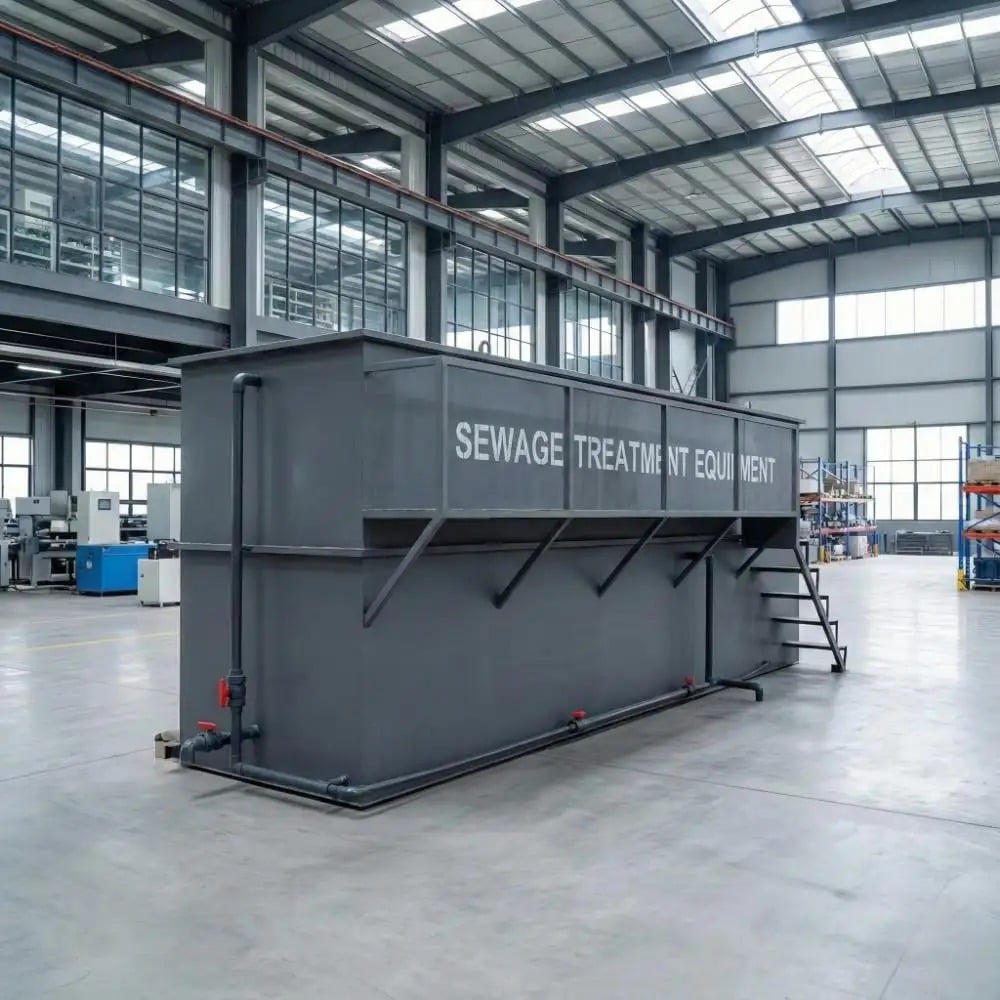
The distinction between packaged and custom design approaches reflects a fundamental trade-off in the waste water treatment industry. Packaged system solutions offer standardized, rapidly deployable configurations that work well for facilities with predictable flow rates and conventional contaminants. Custom design approaches, conversely, provide tailored engineering to match unique site conditions, challenging feedstock characteristics, or specialized regulatory demands. Understanding this spectrum enables facility managers to invest wisely and avoid costly retrofits or underperformance down the line.
Understanding Packaged Systems and Their Role
How Packaged Systems Operate in Practice
A packaged system represents a pre-engineered, factory-tested treatment unit that arrives on-site largely ready for installation. These modular waste water systems are manufactured to handle defined capacity ranges and standard contamination profiles. Most are constructed on a skid or integrated frame, meaning less field assembly and faster commissioning. The engineering has already been completed in the factory, allowing for rapid deployment at a predictable cost point. For facilities with straightforward treatment needs, a packaged system can be operational within weeks rather than months.
Capacity and Performance Limitations
The primary advantage of a packaged system is simplicity, but this comes with inherent limits. Each packaged unit is sized for a specific capacity range, typically between 50 and 500 gallons per minute for small to mid-scale applications. If your facility's flow exceeds the capacity of a single unit, you must either install multiple units in parallel or choose a larger pre-built option. Additionally, packaged design assumes conventional wastewater profiles with settleable solids, organic matter, and standard nutrients. If your site has unusual contaminants, extreme pH swings, or high-strength effluent, a packaged system may not meet your discharge standards without additional custom treatment stages, negating cost savings.
Custom Design Advantages for Complex Applications
Tailoring Treatment to Specific Site Conditions
Custom design begins with a comprehensive site assessment and wastewater characterization. Engineers analyze your specific flow patterns, seasonal variations, contaminant profiles, and regulatory thresholds to create a waste water treatment solution that works optimally for your exact conditions. This approach accommodates unusual pollutants, variable flow rates, space constraints, and integration with existing infrastructure. A custom design can incorporate multiple treatment stages, advanced monitoring, and adaptive controls that respond to changing influent conditions. While custom engineering takes longer upfront, it often prevents expensive operational failures and compliance violations that packaged systems cannot prevent.
Flexibility and Future Growth
When a facility anticipates process changes, production increases, or regulatory tightening, custom design provides strategic flexibility. The treatment train can be structured to allow modular expansion or the addition of advanced polishing stages without complete replacement. Your site layout, utility infrastructure, and treatment philosophy are all considered during design, ensuring the system integrates seamlessly. A custom system designed with future scenarios in mind protects your investment and reduces the risk of outgrowing your treatment capacity within five to ten years.
Key Decision Factors Between Packaged and Custom Systems
Capacity Requirements and Flow Variability
Start by mapping your actual wastewater flow over a full operational cycle. Packaged system options typically handle fixed capacity bands; exceeding this band requires multiple units or upsizing. If your site experiences significant seasonal variation or is planning production growth, custom design allows you to specify peak-hour flows and average flows with built-in surge capacity. For sites where flow is unpredictable or highly variable, custom design is often more cost-effective than buying oversized packaged equipment or managing undersized underperformance.
Wastewater Characteristics and Regulatory Fit
The quality of your influent wastewater determines which treatment approach makes economic sense. Municipal sewage and standard food processing wastewater often fit packaged system profiles perfectly. However, if your discharge contains heavy metals, persistent organic compounds, ammonia-rich streams, or extreme BOD levels, a packaged system may require so many supplementary treatment stages that custom design becomes cheaper. Review your discharge permit requirements and local water quality standards; if they demand advanced treatment, custom engineering ensures compliance from day one.
Site Constraints and Installation Logistics
Physical site limitations strongly influence the choice. Limited floor space, difficult access, or complex utility routing may make a compact packaged system attractive despite slightly higher per-unit cost. Conversely, if your site has ample real estate and your waste water systems can be distributed across multiple treatment vessels and clarifiers, custom design often delivers superior performance at lower life-cycle cost. Consider whether the available site topology allows for gravity flow between treatment stages, which reduces energy consumption and improves reliability in custom designs.
Total Cost of Ownership Analysis
Capital Investment and Installation Timelines
Packaged systems typically cost less upfront and deploy faster, making them attractive for facilities with limited engineering budgets or urgent compliance deadlines. A standard packaged unit may be installed and operational within 4 to 8 weeks. Custom design requires 2 to 4 months of engineering, procurement, and fabrication, followed by 4 to 12 weeks of construction and commissioning. For urgent projects, the packaged system timeline is compelling. However, if your facility can tolerate a 6 to 9 month timeline, custom design often saves money over the first 10 years through better efficiency and fewer operational interventions.
Operating and Maintenance Costs
Packaged systems are easier to operate and maintain because they are standardized and most technicians understand their basic design. Spare parts are often readily available, and troubleshooting follows predictable logic. However, if a packaged system is undersized or mismatched to your wastewater, operating costs can escalate quickly through chemical addition, frequent backwashing, or membrane replacement. Custom systems, when properly engineered, typically operate at lower power consumption and chemical intensity because the treatment train is optimized for your exact influent. Over 10 years, this efficiency translates to significant savings despite slightly higher initial design cost.
Strategic Selection Framework
When Packaged Systems Make the Best Sense
Choose a packaged system if your facility meets these criteria: flow rate falls cleanly within a standard capacity band, wastewater is conventional in composition, site space is limited, budget constraints are tight, timeline urgency is high, and your regulatory requirements are straightforward. Packaged solutions excel for small municipalities, standardized industrial processes, or facilities seeking simplicity and minimal capital outlay. The risk is manageable if you operate within the system's design envelope and do not anticipate significant changes.
When Custom Design Becomes Strategic
Invest in custom design when your flow is highly variable, influent quality is non-standard, site constraints are complex, regulatory demands are stringent, or you expect operational changes within the system's 15 to 20 year lifespan. Custom design also makes sense if your facility is large enough that even small improvements in treatment efficiency justify the engineering cost. For mission-critical applications where discharge permit violations carry severe financial or reputational penalties, custom engineering provides the confidence that your waste water systems will reliably meet requirements across seasonal and operational fluctuations.
FAQ
What is the typical cost difference between packaged and custom waste water systems?
Packaged systems generally cost 30 to 50 percent less in initial capital than custom design. However, over a 10 to 15 year period, operating and maintenance cost differences often narrow the gap. A well-designed custom system frequently achieves lower total cost of ownership through superior efficiency and fewer operational adjustments. Site-specific factors, local labor costs, and equipment pricing make direct comparisons difficult, so consultation with qualified engineers is essential.
Can a packaged system be upgraded or expanded if our facility grows?
Some packaged systems are modular and allow parallel expansion by adding additional units. However, this approach multiplies site footprint and control complexity. Custom design systems are typically engineered with future expansion capability built in, allowing treatment stages to be enhanced or uprated without scrapping the existing installation. If growth is anticipated, custom design is often more economical than buying a larger packaged unit or adding multiple parallel packages.
How do I know if my wastewater is suitable for a packaged system design?
Conduct a comprehensive wastewater characterization test measuring BOD, TSS, ammonia, phosphorus, metals, and any site-specific contaminants. If results fall within the standard ranges that packaged system manufacturers publish, your site is a good fit. If any parameter is significantly elevated or unusual compounds are present, consult with a custom design engineer. Many facilities perform a pilot trial or request a feasibility study before committing to either approach, ensuring the chosen waste water systems solution will meet permit limits reliably.

 EN