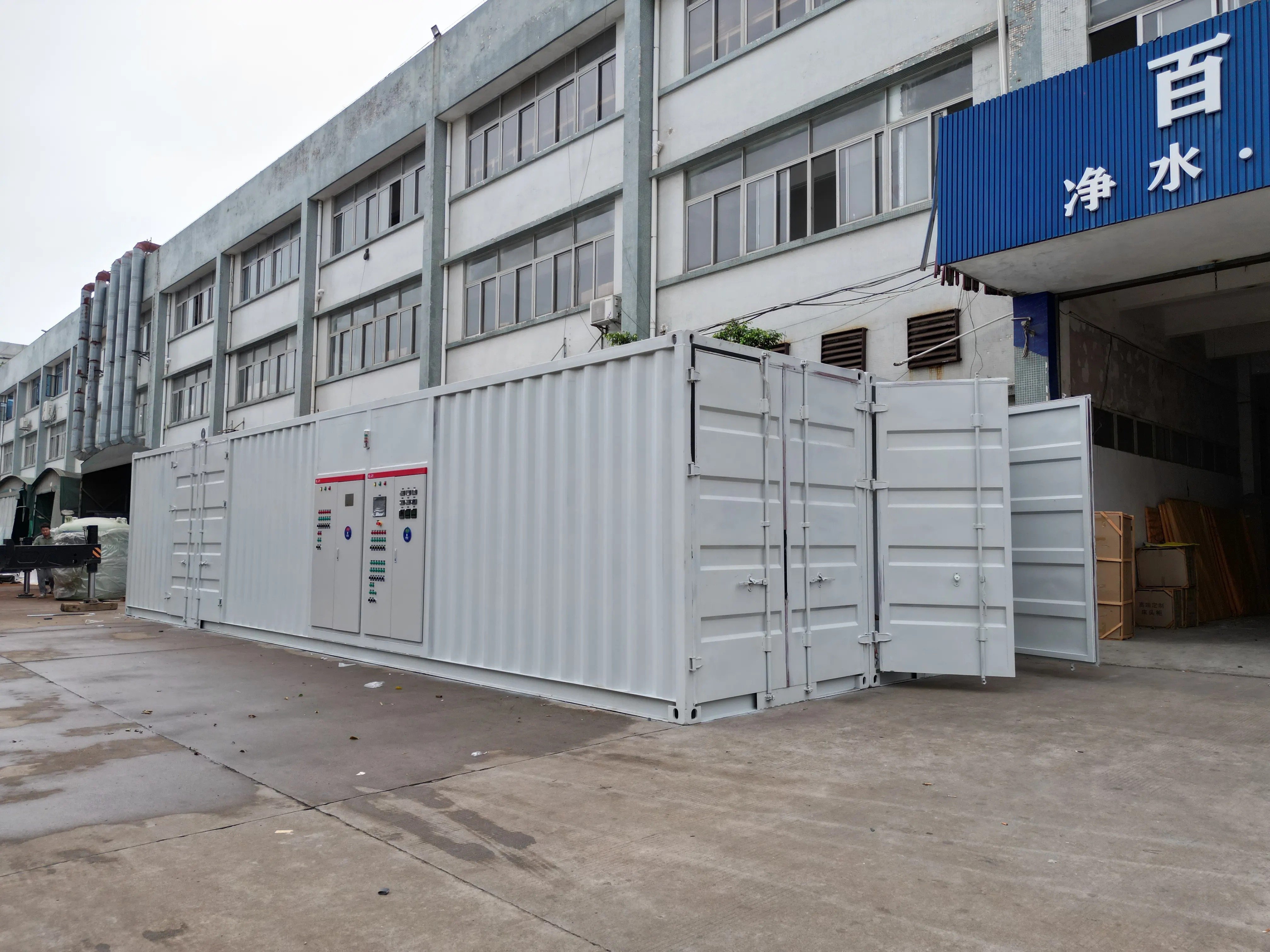
Comparing wastewater treatment plant cost across different vendors and technologies is one of the most critical decisions facility managers and engineers face. However, most organizations make this comparison poorly, leading to hidden costs, poor system performance, or incorrect technology selections. The challenge arises because vendors often structure their proposals differently, include varying scope definitions, and present pricing in formats that obscure total cost of ownership. Understanding how to conduct a true like-for-like comparison ensures you select the solution that best meets your operational needs and budget constraints while avoiding costly post-purchase surprises.
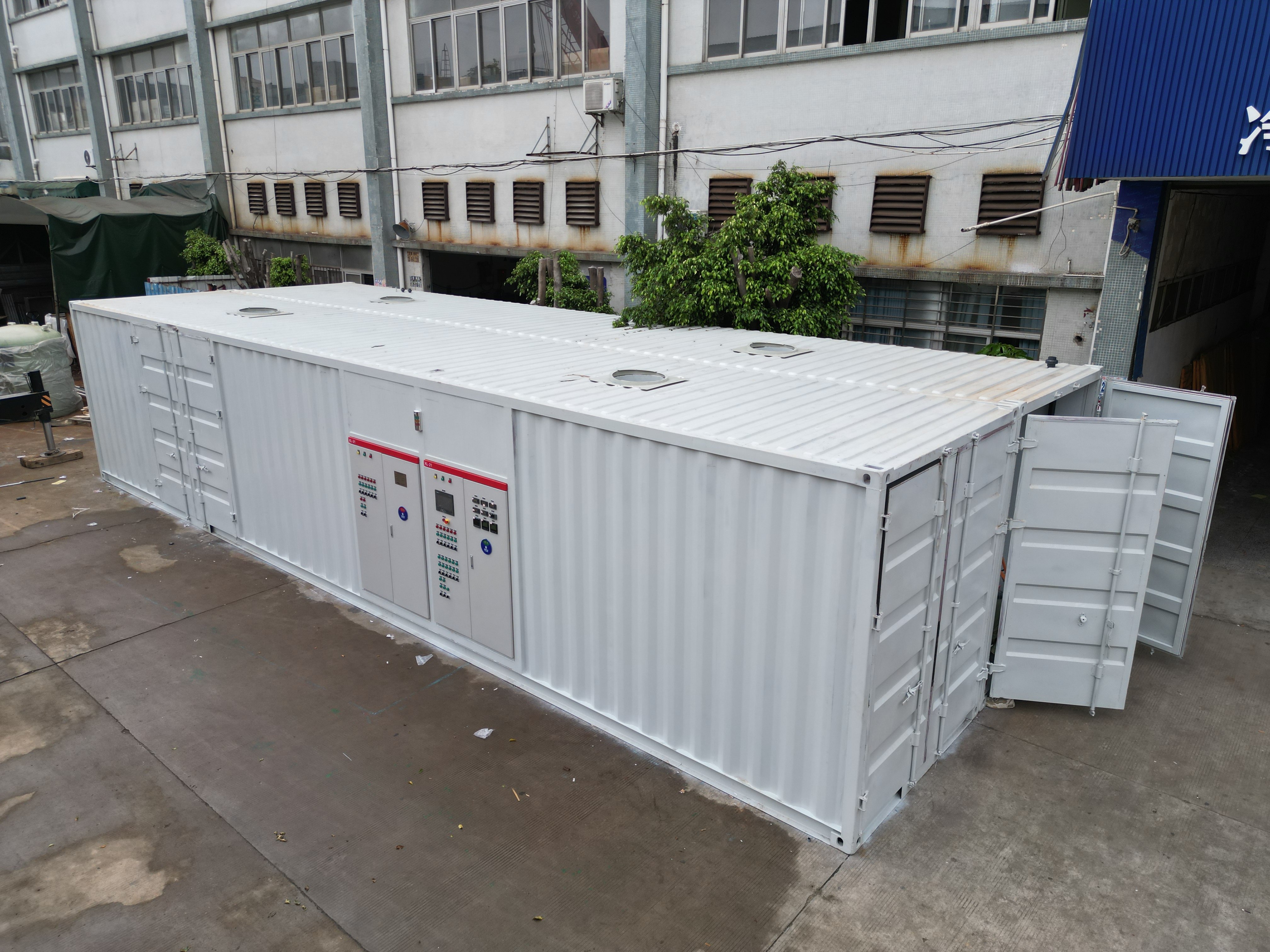
A like-for-like comparison means evaluating proposals on identical technical specifications, treatment objectives, regulatory compliance requirements, and service expectations. Many procurement teams make the mistake of selecting the lowest bid without ensuring all vendors are solving the same problem. This article walks you through the structured methodology for comparing wastewater treatment plant cost fairly, breaking down capital expenditures, operational expenditures, and the scope elements that frequently cause comparison errors.
Understanding the Scope Foundation for Accurate Comparison
Defining Treatment Objectives and Design Parameters
Before any cost comparison begins, you must establish a clear scope that defines what each proposal must achieve. This includes influent water quality parameters, target effluent standards, flow rates, peak load handling, and regulatory compliance requirements. The scope forms the baseline against which you evaluate each proposal comparison. Without a locked scope, vendors will propose different treatment intensities, reliability levels, or footprints, making true cost analysis impossible. Request that all proposals explicitly state the design parameters they are addressing, including average daily flow, peak hourly flow, seasonal variations, and any special contaminants that require specialized treatment.
Identifying Regulatory and Operational Requirements
Your scope must also capture regulatory mandates, environmental agency requirements, and operational constraints specific to your location and industry. These factors significantly influence wastewater treatment plant cost and often differ between sites. Whether your system must achieve advanced nutrient removal, meet specific pH ranges, handle industrial discharge limits, or accommodate future expansion affects both CAPEX and OPEX budgets. Clearly document these requirements in your request for proposal so all vendors understand the baseline against which they are quoting. This ensures that each proposal comparison reflects solutions designed for your actual operational environment rather than generic off-the-shelf designs.
Separating CAPEX and OPEX for True Total Cost Understanding
Breaking Down Capital Expenditure Components
CAPEX, or capital expenditure, represents the upfront investment required to design, construct, and commission the wastewater treatment plant cost components. A proper proposal comparison must itemize CAPEX into distinct categories to prevent vendors from hiding costs or misallocating expenses. Standard CAPEX categories include treatment equipment and process units, structural and civil works, electrical and instrumentation systems, site preparation and foundation work, and contingency reserves. Request detailed line-item breakdowns from each vendor rather than lump-sum figures. This granular approach to comparing CAPEX reveals whether vendors are making different assumptions about foundation requirements, equipment material grades, automation levels, or delivery and installation scope. Some vendors may quote a wastewater treatment plant cost that excludes site mobilization or training, which becomes clear only in detailed line-item comparisons.
Evaluating Operational Expenditure and Lifecycle Costs
OPEX encompasses annual operating costs, including chemicals, energy, labor, maintenance, and parts replacement. Many procurement teams focus exclusively on CAPEX and overlook OPEX, which typically represents 60 to 75 percent of total cost of ownership over a ten-year period. A comprehensive proposal comparison must project OPEX for at least five to ten years, accounting for chemical price escalation, energy consumption rates, labor availability in your region, and scheduled maintenance intervals. Request from each vendor explicit OPEX estimates broken down by cost category and supported by operational data. Some treatment technologies consume significantly more power or require more frequent chemical dosing than alternatives. A proposal comparison that ignores these differences will lead to selecting lower CAPEX while incurring substantially higher lifetime costs.
Evaluating Proposal Scope Boundaries and Hidden Cost Drivers
Identifying Inclusions, Exclusions, and Assumptions
Proposal comparison documents often contain fine print that dramatically affects actual wastewater treatment plant cost but remains invisible during initial review. Every vendor proposal must include explicit statements about what is included and excluded from their quoted price. Common exclusions include site preparation beyond a defined scope, tie-in connections to existing infrastructure, standby power systems, remote monitoring and SCADA integration, training and startup services, and post-commissioning support. Request that vendors provide written assumptions about site conditions, utility availability, labor resources, and regulatory approvals. Some vendors assume you are providing your own civil contractor and project management, while others include these costs. A true like-for-like proposal comparison explicitly aligns assumptions across all bidders, identifying where they differ and quantifying the cost impact of those differences.
Assessing Technology-Specific Scope Differences
Different treatment technologies carry inherently different scope requirements that affect both CAPEX and OPEX. Comparison of skid-mounted systems versus site-built facilities, or biological treatment versus chemical treatment approaches, must account for technology-specific operational demands. For example, skid-mounted solutions may have lower CAPEX but different maintenance profiles and spare parts requirements than conventional systems. A proposal comparison should include a technology assessment section that documents why each vendor selected their approach and what operational advantages or constraints their solution brings. This transparency ensures you understand whether a lower CAPEX bid reflects genuine efficiency or simply defers costs and risks to the OPEX phase. Request that all proposals include a risk mitigation section that outlines what could cause actual costs to exceed estimates and how the vendor proposes to manage those risks.
FAQ
What are the most common mistakes when comparing wastewater treatment plant cost proposals?
The most frequent errors include comparing only headline CAPEX figures without examining line-item details, failing to align scope and regulatory requirements across all proposals, ignoring OPEX projections and assuming all technologies have similar operating costs, and not accounting for contingencies or hidden exclusions. Many teams also neglect to evaluate proposal comparison documents carefully, missing critical assumptions about site conditions or utility availability. Additionally, focusing on equipment cost while overlooking installation, testing, training, and commissioning expenses leads to budget overruns and project delays. Success requires creating a detailed evaluation matrix that scores each proposal across technical, financial, and risk dimensions rather than relying on price alone.
How should I structure the scope document to ensure an accurate proposal comparison?
Begin your scope document with clear design parameters including influent quality, target effluent standards, flow rates, and peak load requirements. Next, list all regulatory and environmental compliance obligations specific to your jurisdiction and industry. Then define system boundaries by specifying what the vendor must design and build versus what you will provide separately. Include a detailed list of required deliverables such as equipment, civil works, controls, testing protocols, documentation, and training. Finally, create a proposal instructions section that specifies the format for all cost breakdowns, the time period for OPEX projections, the required level of detail in risk assessments, and the deadline for proposal submission. This structured approach forces proposal comparison consistency and prevents vendors from making conflicting assumptions about your requirements.
What role does contingency play in comparing wastewater treatment plant cost across proposals?
Contingency represents funds reserved for unforeseen conditions or cost escalations during design and construction. Different vendors may apply different contingency percentages, typically ranging from 10 to 25 percent depending on site complexity and design maturity. When comparing proposals, ensure all vendors are applying contingency using the same methodology and percentage. Some vendors may include contingency within their line-item costs while others show it separately, making transparent proposal comparison difficult. Request explicit contingency statements in all proposals, and standardize the approach across all bidders during your evaluation. Understanding how each vendor's contingency assumptions affect total wastewater treatment plant cost ensures your budget estimates are realistic and comparable, reducing the risk of post-award disputes or project overruns.

 EN