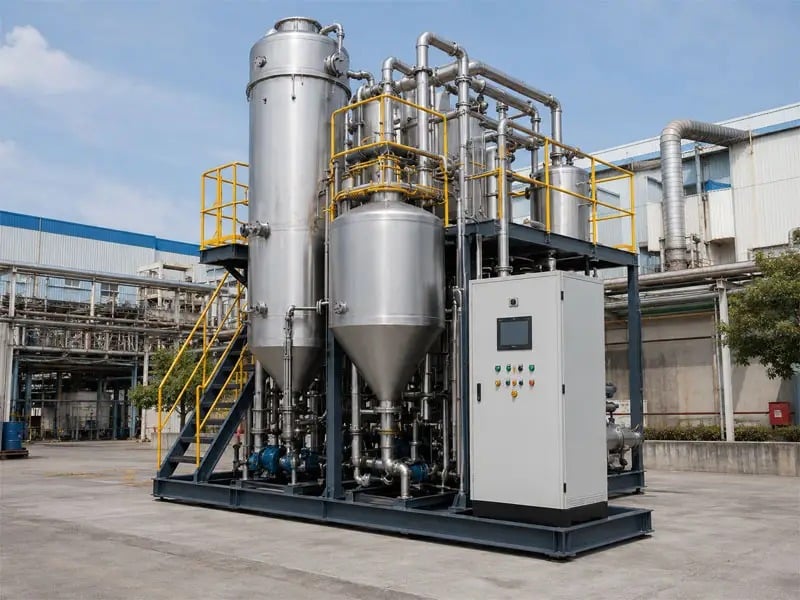
Evaluating multiple wastewater evaporator proposals can feel overwhelming when vendors present different specifications, cost structures, and technical claims. The key to making an informed decision lies in establishing a consistent design basis before comparing any proposals. A unified design basis ensures that all responses address the same operational requirements, making proposal comparison meaningful and transparent. Without this framework, you risk comparing systems that solve fundamentally different problems or operate under conflicting assumptions.
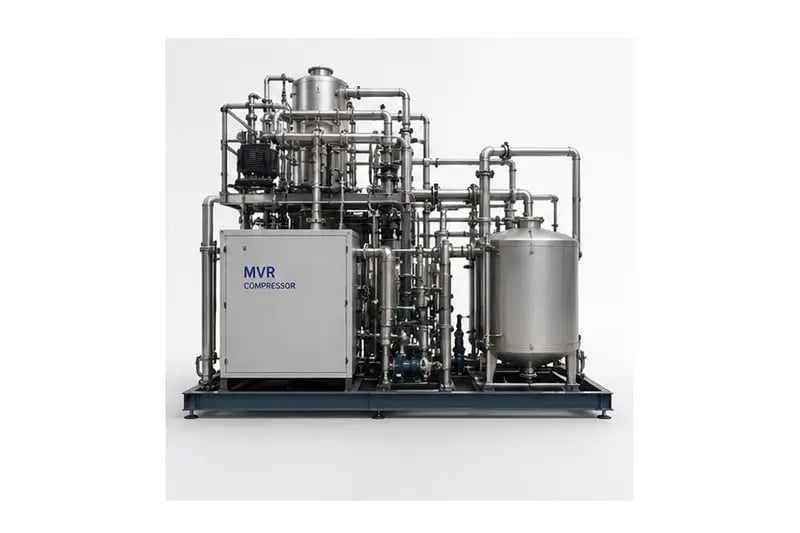
The design basis serves as the technical foundation for all vendor responses. It defines the wastewater characteristics, throughput requirements, product quality standards, and operational constraints that all systems must meet. When every proposal is built on the same design basis, capacity claims become comparable, energy consumption becomes meaningful, and total cost of ownership becomes calculable. This standardized approach transforms proposal comparison from a guessing game into a rigorous engineering exercise that protects your capital investment.
Defining the Core Design Basis Elements
Feedwater Characteristics and Volume
The design basis must specify the exact wastewater composition, including total dissolved solids, organic content, pH, temperature, and any problematic salts or compounds. Flow rate assumptions are critical—vendors must know whether they are sizing for average daily volume, peak hour throughput, or seasonal variations. These parameters directly influence the capacity of the system and determine whether a standard wastewater evaporator configuration will work or if custom solutions are needed. Vague descriptions like 'industrial wastewater' guarantee that vendors will make different assumptions, leading to proposals that address different problems.
Product Specifications and Disposal Requirements
Define what you expect from the final output: Is the goal zero liquid discharge, or is partial evaporation acceptable? What concentration level must the concentrate reach? How will the solid residue be handled and disposed of? These requirements directly impact energy demand, system complexity, and overall cost. A design basis that leaves these points unclear invites vendor assumptions that inflate or understate true capacity and energy performance, undermining your proposal comparison efforts.
Energy and Operational Assumptions
Utility Availability and Cost Framework
Establish which energy sources are available—natural gas, steam, electricity, or a combination—and at what rates. The design basis should specify whether the system will operate continuously or intermittently, and during which hours. These factors determine the energy profile of any wastewater evaporator and directly affect lifecycle costs. If proposals receive different utility assumptions, their energy consumption claims cannot be compared fairly, and your ability to forecast operating expenses becomes impossible.
Environmental and Regulatory Boundaries
Document any environmental or regulatory constraints: emission limits, discharge standards, noise restrictions, or space limitations. These constraints shape the design approach and capacity of potential systems. A vendor operating under a different set of environmental assumptions will propose a different system, even if the feedwater and product requirements are identical. Your design basis must include these boundary conditions so that proposal comparison reflects real operational reality rather than theoretical scenarios.
Conducting Fair Proposal Comparison
Standardized Evaluation Framework
Once the design basis is documented and issued to all vendors, request that each proposal explicitly confirm that they are responding to the same requirements. Ask vendors to map their specifications back to the design basis parameters, highlighting any deviations or assumptions they have made. This transparency in proposal comparison prevents vendors from gaming the process by interpreting ambiguous requirements in their favor. A wastewater evaporator proposal should clearly state capacity in gallons per day, energy consumption in BTU or kilowatts per gallon processed, and any assumptions that differ from your stated design basis.
Cost and Performance Metrics
With a uniform design basis, you can now calculate meaningful cost-per-unit metrics. Compare energy cost per gallon, capital cost per gallon of daily capacity, and total five-year cost of ownership. These normalized comparisons reveal which proposal offers the best value without being distorted by different technical interpretations. When proposal comparison is based on the same design basis, price differences become explainable by genuine technical choices rather than hidden assumptions about what the system must do.
FAQ
Why is design basis so critical in wastewater evaporator procurement?
Without a shared design basis, vendors respond to different implied requirements. One vendor may assume intermittent operation while another assumes continuous duty, leading to systems with radically different capacities and costs. A unified design basis ensures that proposal comparison evaluates genuine technical tradeoffs rather than different interpretations of your needs. It protects you from discovering after installation that your chosen wastewater evaporator cannot actually meet your requirements.
What happens if vendors identify deviations from the design basis?
Deviations are valuable signals in proposal comparison. If a vendor states they cannot meet a design basis requirement without modifications, that transparency allows you to evaluate whether their proposed alternative is acceptable. Some design basis constraints may be negotiable, but vendor silence about deviations suggests they either misunderstood the requirement or are making hidden assumptions. Always require vendors to explicitly confirm or state exceptions to every design basis parameter.
How does design basis affect long-term energy performance?
Energy consumption depends heavily on how the wastewater evaporator will actually be used. A system sized for peak capacity but operated at 50 percent average load will have different energy efficiency than one optimized for steady-state operation. The design basis must specify realistic operational scenarios so vendors can size equipment appropriately and energy projections remain accurate. Vague energy assumptions in proposal comparison lead to disappointing real-world performance and unexpected operating cost increases.

 EN