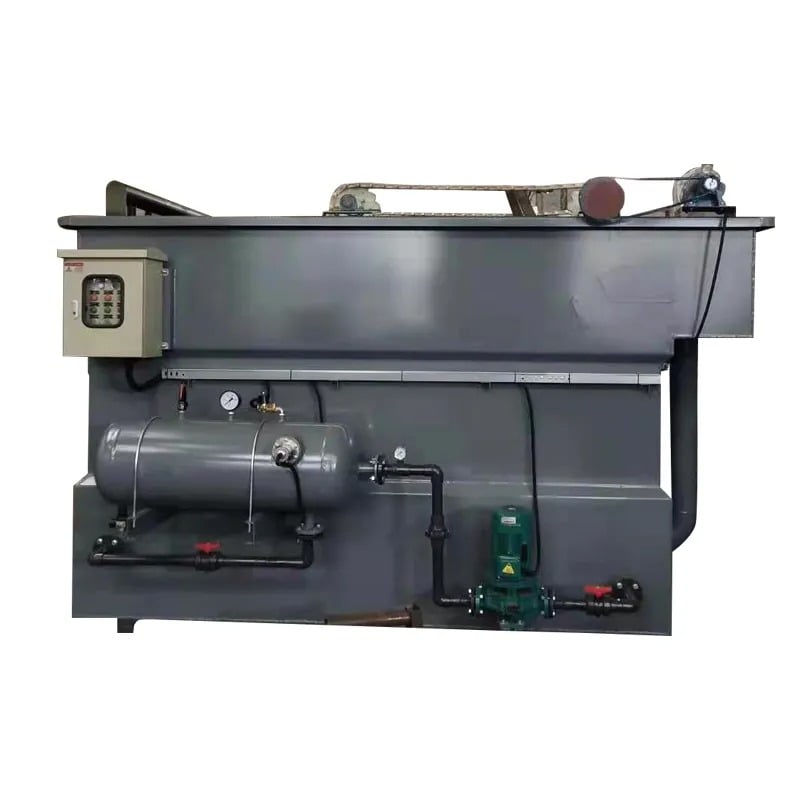
Selecting the right daf system manufacturer is one of the most critical decisions in industrial wastewater pretreatment. The quality of your DAF equipment directly impacts treatment efficiency, operational costs, and environmental compliance. However, choosing among competing vendors requires a structured evaluation approach that goes beyond price quotations and promotional claims.
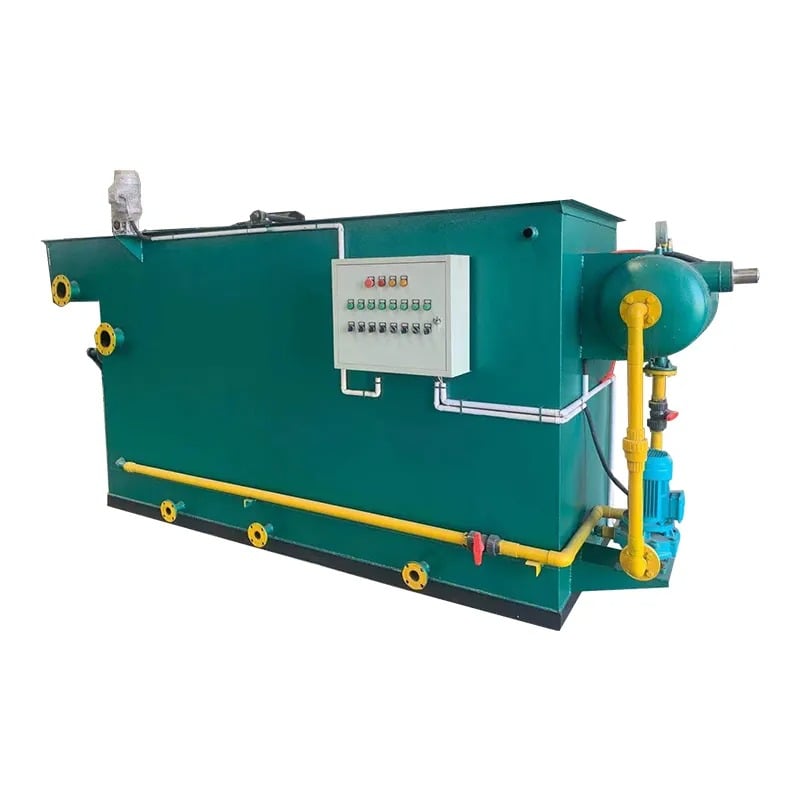
When evaluating a DAF supplier, you must examine technical competency, manufacturing standards, equipment reliability, and long-term support capabilities. Industrial wastewater pretreatment demands precision and consistency. A poorly chosen manufacturer can result in undersized systems, inadequate pretreatment performance, frequent maintenance issues, and unexpected capital replacements that disrupt operations and inflate total cost of ownership.
Understanding Your DAF Pretreatment Requirements
Define Your Process Goals
Before comparing any DAF manufacturer, clarify what your pretreatment process must accomplish. Different industrial sectors produce vastly different wastewater characteristics. Oil refining generates oily streams requiring DAF for solid-liquid separation. Food processing produces suspended solids and organic loads. Chemical manufacturing introduces diverse contaminants. Your supplier evaluation must start by confirming that each manufacturer has demonstrable experience with your specific wastewater type and can design appropriate DAF equipment accordingly.
Specify your target removal rates, flow volume requirements, and operational constraints. A qualified DAF system manufacturer will ask detailed questions about influent quality, discharge regulations, and facility space. Generic technical specifications without application context are a red flag. Legitimate suppliers conduct pilot testing or reference comparable installations before committing to equipment design.
Establish Performance Benchmarks
Determine measurable performance benchmarks that your pretreatment system must meet. These include treatment efficiency targets, hydraulic capacity, retention time, and solids removal percentages. When comparing suppliers, each DAF manufacturer should provide independent calculations demonstrating how their design meets your benchmarks. Request third-party test data or certification from recognized standards organizations rather than relying solely on in-house vendor testing.
Evaluating Technical and Manufacturing Capabilities
Assess Design and Engineering Standards
A reputable DAF system manufacturer must demonstrate robust engineering practices and adherence to industry codes. Review whether the supplier has structural certifications, pressure vessel compliance documentation, and design approvals from recognized authorities. The pretreatment equipment must meet applicable environmental regulations, wastewater treatment standards, and industry-specific guidelines. Request examples of completed projects with similar scale and complexity to understand the manufacturer's capability level.
Quality DAF manufacturers maintain ISO certifications, quality management documentation, and design validation procedures. Ask about their engineering review process, stress testing protocols, and failure analysis methods. A manufacturer that cannot articulate their design assurance process should be excluded from consideration. The most reliable suppliers invest continuously in research and development to optimize treatment efficiency and equipment durability.
Examine Equipment Quality and Construction
The physical construction quality of your DAF equipment directly determines operational longevity and reliability. Evaluate material selection, weld standards, corrosion protection strategies, and component sourcing practices. Industrial wastewater contains corrosive elements that degrade equipment over time. A supplier evaluation must include material certifications, coating specifications, and maintenance requirements. Some manufacturers cut costs by using lower-grade materials or inadequate surface protection, resulting in premature failure and expensive repairs.
Request documentation of supplier testing and validation processes. Reputable DAF system manufacturers perform pressure tests, durability assessments, and operational simulations before releasing equipment. Ask about warranty coverage, material guarantees, and the expected service life of major components. This information reveals whether the supplier prioritizes long-term equipment performance or short-term manufacturing cost reduction.
Evaluating Service, Support, and Commercial Terms
Review Supplier Service Capabilities
A complete supplier evaluation must include comprehensive service offerings beyond initial equipment delivery. Your chosen DAF manufacturer should provide startup assistance, operator training, preventive maintenance support, and rapid response to operational issues. Industrial wastewater pretreatment cannot tolerate extended downtime. Compare supplier response times, technical support availability, spare parts inventory, and field service technician locations. Some manufacturers maintain regional service centers, while others rely on remote diagnostics and delayed on-site visits.
Evaluate the quality of training programs provided during system commissioning. The supplier should deliver comprehensive operator manuals, hands-on training sessions, and ongoing technical consultation. Ask how your team can reach technical support and what emergency response protocols exist. References from existing customers are invaluable for assessing real-world service responsiveness and support quality.
Compare Commercial and Contractual Terms
Price comparison alone is insufficient when choosing a DAF system manufacturer. Total cost of ownership includes equipment purchase price, installation expenses, spare parts costs, energy consumption, maintenance labor, and operational downtime. Some suppliers offer lower initial prices but charge premium rates for spare parts or service calls. Evaluate warranty duration, coverage scope, and post-warranty support options. Request detailed breakdowns of all cost components rather than accepting lump-sum quotations.
Review contract terms regarding equipment performance guarantees, liability limitations, and payment schedules. A reliable supplier will back their equipment with performance warranties and provide clear documentation of what is and is not covered. Be cautious of vague language or extremely limited warranties, which suggest low confidence in equipment reliability. Transparent pretreatment suppliers explain their commercial terms clearly and negotiate reasonable terms that reflect actual product quality and service capabilities.
FAQ
What key questions should I ask a potential DAF supplier?
Ask about their experience with your specific wastewater type, request references from comparable installations, inquire about their engineering design process, seek documentation of equipment testing and certifications, and ask for detailed service and warranty information. Additionally, request pilot test data, clarify spare parts availability and pricing, and understand their technical support response protocols. A qualified supplier will provide comprehensive answers without hesitation or excessive confidentiality restrictions.
How important is equipment warranty when comparing a DAF system manufacturer?
Equipment warranty is a critical indicator of manufacturer confidence in their product quality and durability. A comprehensive warranty demonstrates that the supplier stands behind their DAF equipment performance. However, warranty terms vary significantly in coverage scope, duration, and exclusions. Compare warranty length, what components are covered, failure response procedures, and whether warranty costs are already included in pricing. Be suspicious of manufacturers offering unusually short warranties or attempting to exclude common failure modes from coverage.
Should references from existing customers be a primary evaluation factor?
Yes, customer references are invaluable during supplier evaluation because they reveal real-world performance, service responsiveness, and support quality. Request references from facilities with similar wastewater characteristics and operational scales. Contact multiple references and ask specific questions about equipment reliability, startup experience, maintenance costs, and supplier responsiveness to issues. References provide honest feedback that published marketing materials cannot deliver. A manufacturer unwilling to provide current customer references should raise concerns about their satisfaction levels.

 EN