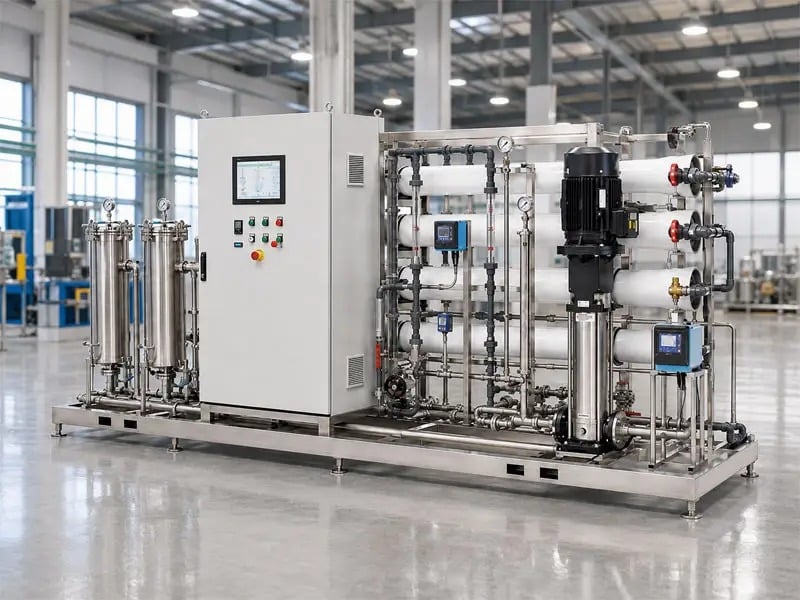
Seawater desalination represents a critical infrastructure solution for coastal communities and island facilities facing freshwater scarcity. However, the harsh marine environment poses significant challenges to the reverse osmosis technology at the heart of modern desalination plants. Raw seawater contains suspended solids, organic matter, biological organisms, and mineral deposits that can rapidly degrade expensive RO membranes if left untreated. Understanding how seawater pretreatment protects these vital components is essential for operators seeking to maximize system performance and minimize operating costs.
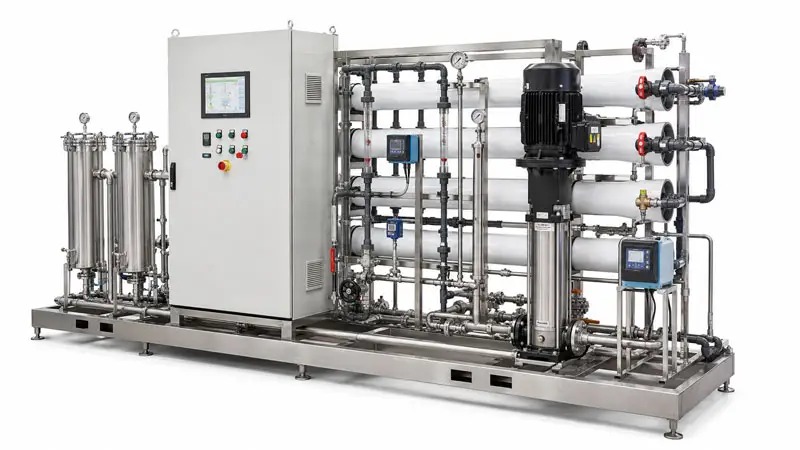
The pretreatment stage is not optional; it is the foundation upon which successful seawater desalination systems depend. Without proper pretreatment, RO membranes experience accelerated fouling, reduced flux, shortened operational life, and escalating maintenance expenses. This article explores the critical role of seawater pretreatment in protecting membrane integrity and ensuring reliable desalination performance across industrial and municipal applications.
Understanding Seawater Pretreatment Fundamentals
The Challenge of Raw Seawater Composition
Raw seawater is far more complex than fresh surface water. It contains dissolved salts averaging 35,000 parts per million, suspended sediment ranging from 5 to 50 microns, organic colloids, algae, bacteria, and chemical compounds that accumulate in the marine environment. When this water encounters RO membranes without pretreatment, multiple degradation mechanisms activate simultaneously. The suspended particles physically block membrane pores, while biological organisms colonize the membrane surface and create biofilms. Organic compounds bind to the membrane matrix, causing chemical fouling that is difficult to reverse.
Why Pretreatment Saves RO Membranes
Seawater pretreatment removes or reduces these contaminants before they reach the RO stage, protecting the membranes from fouling and extending their service life from typical 3-5 years to 5-7 years or longer. An effective seawater pretreatment system reduces membrane replacement frequency, lowers chemical cleaning requirements, and improves overall system economics. For seawater desalination systems operating in harsh marine environments, robust pretreatment is the difference between sustainable operation and costly emergency maintenance cycles.
Core Pretreatment Stages in Seawater Systems
Mechanical Filtration and Sediment Removal
The first barrier in seawater pretreatment involves mechanical separation of suspended particles. Intake screens remove large debris, while multimedia filters and cartridge filters capture smaller particles down to 5-20 microns. This stage eliminates roughly 80-90 percent of suspended sediment before the water advances. By reducing particulate matter early, mechanical filtration prevents particle accumulation in downstream treatment vessels and protects the RO membrane from physical plugging. This stage also reduces fouling potential significantly.
Chemical Conditioning and Dosing
After mechanical removal, seawater pretreatment employs chemical additives to address organic and colloidal fouling. Coagulants such as ferric chloride or aluminum sulfate destabilize colloidal particles, causing them to aggregate into larger flocs that settle or filter more readily. Biocides prevent bacterial growth and biofilm formation on membrane surfaces. Scale inhibitors address mineral precipitation tendencies, particularly calcium carbonate and magnesium hydroxide. Together, these chemicals prepare the seawater chemically, reducing fouling mechanisms that mechanical filtration alone cannot address.
Membrane-Specific Protection Technologies
Modern seawater desalination systems incorporate ultrafiltration or microfiltration membranes as the final pretreatment stage before RO. These membrane-based pretreatment systems remove particles smaller than 0.1 microns and provide a more reliable barrier than conventional filters. The seawater desalination systems that incorporate ultrafiltration pretreatment experience dramatically lower RO fouling rates and longer membrane intervals between cleaning cycles. This investment in advanced seawater pretreatment yields substantial operational returns over system lifetime.
Fouling Prevention and RO Membrane Protection Strategy
Addressing Biological Fouling Threats
Biological fouling represents one of the most challenging membrane degradation mechanisms in seawater environments. Algae, bacteria, and marine microorganisms readily colonize RO membranes and secrete polysaccharide biofilms that increase membrane resistance and reduce water output. Effective seawater pretreatment incorporates continuous biocide dosing, chlorination in early treatment stages, and dechlorination before RO to prevent microorganism breakthrough. Some advanced pretreatment configurations use UV disinfection or ozonation to inactivate microorganisms without introducing chemical residues. These biological fouling controls are non-negotiable components of reliable seawater pretreatment protocols.
Managing Organic and Colloidal Fouling
Dissolved organic matter and colloidal substances in seawater adsorb onto RO membrane surfaces, gradually reducing permeability and increasing pressure requirements. Seawater pretreatment combats this through coagulation-flocculation processes that aggregate colloids into particles large enough to filter. Activated carbon filters in some pretreatment designs absorb dissolved organic compounds. Monitoring silt density index values during pretreatment helps operators confirm that colloidal fouling risk remains within acceptable bounds for RO protection. This preventive monitoring ensures that RO membranes face minimal fouling pressure.
Preventing Scaling on Membrane Surfaces
Mineral scaling occurs when seawater mineral concentrations exceed saturation limits near the RO membrane surface under pressure. Calcium carbonate, magnesium hydroxide, and other mineral deposits form a hard layer that progressively blocks the membrane. Seawater pretreatment prevents scaling through scale inhibitor chemistry, pH adjustment, and sometimes lime softening to reduce mineral precipitation tendency. By maintaining water chemistry in stable ranges before RO, pretreatment protects membranes from mineral fouling that would otherwise require aggressive acid cleaning and reduce membrane longevity.
Operational Benefits and Performance Metrics
Extended Membrane Life and Reduced Replacement Costs
RO membranes represent substantial capital investments in seawater desalination systems, often comprising 15-25 percent of total system cost. Inadequate seawater pretreatment forces premature membrane replacement every 2-3 years, while robust pretreatment extends intervals to 5-7 years. Over a 15-year facility lifetime, comprehensive pretreatment saves replacement costs equivalent to multiple membrane sets. This economic justification alone warrants investment in quality seawater pretreatment infrastructure.
Improved System Reliability and Uptime
Fouling-induced RO shutdowns disrupt water supply schedules and create operational headaches for island and coastal facilities dependent on desalination. Effective seawater pretreatment minimizes emergency cleaning cycles, unplanned maintenance, and sudden production losses. Facilities with advanced pretreatment report 95+ percent system uptime compared to 75-85 percent for facilities with minimal pretreatment. This reliability translates to consistent freshwater supply for communities and industrial users.
Lower Chemical Cleaning Requirements
Even with good seawater pretreatment, RO membranes eventually require chemical cleaning to restore performance. However, systems with robust pretreatment require cleaning only 2-4 times annually, while poorly pretreated systems need monthly or more frequent cleaning cycles. Each cleaning event consumes chemicals, consumes energy, reduces membrane lifespan incrementally, and interrupts production. Minimizing cleaning frequency through quality seawater pretreatment is therefore economically and operationally beneficial.
FAQ
How often should pretreatment filters be replaced in seawater desalination systems?
Cartridge filter replacement frequency depends on seawater quality and pretreatment system design but typically ranges from every 3 months to annually. Monitoring differential pressure across filter stages provides real-time guidance; most operators establish automatic alerts when pressure differentials reach 0.5-1.0 bar. For seawater pretreatment systems in high-turbidity environments, more frequent replacement maintains consistent fouling protection. Regular inspection and timely replacement ensure pretreatment remains effective at protecting RO membranes.
What is the ideal silt density index for RO protection?
The silt density index measures colloidal fouling tendency in pretreated seawater destined for RO. Industry standards recommend maintaining silt density index values below 3 to ensure adequate RO membrane protection, though some operators maintain tighter targets below 2. Daily or weekly silt density index testing during seawater pretreatment allows operators to verify that coagulation-flocculation and filtration stages are functioning effectively. Values above 4 indicate incomplete fouling prevention and suggest pretreatment optimization is needed before allowing water into the RO stage.
Can seawater desalination systems operate without pretreatment?
Theoretically, RO membranes can process untreated seawater, but the membranes will foul rapidly, often within days or weeks depending on seawater composition. Operating without seawater pretreatment creates severe membrane scaling, biological fouling, and colloidal deposition that dramatically shortens membrane life to months instead of years. The cost of premature membrane replacement far exceeds the cost of pretreatment infrastructure, making pretreatment economically mandatory for any seawater desalination systems. Best practices in the industry universally incorporate comprehensive pretreatment as a core system component.

 EN