Operating a containerized effluent treatment plant requires constant attention to performance metrics, regulatory compliance, and equipment health. Remote monitoring transforms how facilities manage these critical systems by providing real-time visibility into plant operations from any location. When your containerized effluent treatment plant is equipped with remote monitoring capabilities, you gain immediate insights into treatment processes, water quality parameters, and system performance without requiring on-site personnel at every moment.
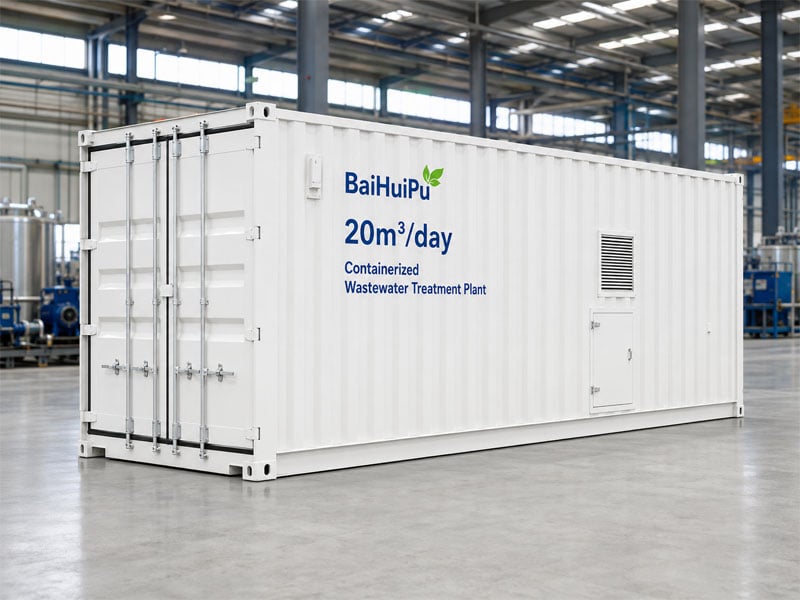
Industrial operators, treatment facility managers, and environmental compliance teams increasingly depend on remote monitoring to optimize containerized effluent treatment plant functionality. This technology enables proactive maintenance, faster response to operational issues, and substantial reductions in labor costs. Understanding how remote monitoring integrates with your treatment system helps you make informed decisions about upgrading or deploying new equipment.
Real-Time Alarms and Immediate Alert Systems
One of the most valuable features of remote monitoring is the ability to receive instant alarms when any parameter deviates from normal operating ranges. Alarms alert facility managers to potential problems before they escalate into costly failures or compliance violations. When a containerized effluent treatment plant experiences unexpected changes in treatment efficiency, dissolved oxygen levels, pH balance, or pump performance, the remote monitoring system instantly notifies authorized personnel through SMS, email, or mobile app notifications.
Alarm Prioritization and Response Protocols
Remote monitoring systems classify alarms by severity level, allowing operators to prioritize responses effectively. Critical alarms demand immediate attention and halt non-essential operations until resolved, while warning-level alarms provide time for planned corrective action. This hierarchical alert structure prevents alarm fatigue and ensures that operators focus resources on issues that truly impact plant performance and regulatory standing.
Customizable alarm thresholds mean each containerized effluent treatment plant can be configured based on its specific treatment requirements and local discharge regulations. Operators define which parameters trigger notifications, preventing false alarms that reduce response credibility and staff engagement with the monitoring system.
Predictive Alert Capabilities
Advanced remote monitoring platforms integrate historical data analysis to predict equipment failures before they occur. When sensor data shows gradual degradation patterns typical of imminent pump failure, membrane fouling, or control system malfunction, the system sends predictive maintenance alarms. This proactive capability allows facilities to schedule service during planned downtime rather than experiencing emergency breakdowns.
Digital Controls and Operational Command Features
Remote monitoring extends beyond observation into active operational control, enabling authorized staff to adjust system parameters, start or stop treatment processes, and modify operating setpoints from remote locations. Digital controls integrated with a containerized effluent treatment plant provide immediate response capabilities during abnormal conditions or when rapid adjustments improve treatment efficiency.
Automated Control Logic and Manual Override
Most remote monitoring platforms combine automated controls with manual override capabilities. The system can automatically adjust aeration rates, chemical feed systems, or flow distribution based on real-time water quality data, maintaining optimal treatment performance without continuous operator intervention. When unique situations require human judgment, authorized personnel can override automated controls and take direct command of specific systems.
This hybrid approach maximizes efficiency while preserving operator authority in complex scenarios. A containerized effluent treatment plant managing highly variable influent composition may benefit from automated primary controls that handle routine fluctuations, while retaining manual override for unusual conditions that fall outside normal operational parameters.
Setpoint Optimization and Equipment Protection
Remote controls allow operators to fine-tune treatment setpoints based on current conditions and upcoming regulatory requirements. Adjusting aerator output, residence time, or settling rates optimizes contaminant removal for specific water composition. Equipment protection controls prevent damage by automatically reducing flow rates if pressure rises above safe limits, activating bypass valves if clogging threatens system integrity, or throttling chemical pumps if sensors detect improper dosing patterns.
Service Optimization Through Remote Monitoring Integration
Remote monitoring fundamentally changes how service providers support containerized effluent treatment plants by replacing scheduled service visits with demand-based maintenance triggered by actual equipment condition data. Service teams access the same real-time information as plant operators, enabling faster diagnostics and more targeted repairs. Technicians arrive on-site with preliminary problem assessment already complete, significantly reducing troubleshooting time.
Predictive Maintenance and Service Planning
Historical operational data collected through remote monitoring reveals equipment usage patterns, stress indicators, and failure precursors. Service providers use this intelligence to schedule preventive maintenance precisely when needed rather than at fixed intervals. A containerized effluent treatment plant generating detailed usage logs can extend equipment lifespan by replacing components before stress damage occurs, reducing both emergency repair costs and unexpected downtime.
Service contracts increasingly incorporate remote monitoring data into performance guarantees. Providers commit to specific uptime percentages and treatment quality standards while monitoring compliance through continuous data access. This transparency aligns incentives between facility operators and service teams toward optimal system performance.
Remote Troubleshooting and Technical Support
When operational issues arise, service technicians review remote monitoring data to understand system behavior before dispatch. This preliminary analysis narrows the potential causes and enables technicians to arrive with appropriate replacement parts and tools. Remote monitoring also facilitates telephone or video troubleshooting, resolving many issues without on-site visits and reserving technician dispatch for problems requiring hands-on repair work.
FAQ
What specific data does remote monitoring collect from a containerized effluent treatment plant?
Remote monitoring systems collect water quality parameters including pH, dissolved oxygen, turbidity, suspended solids, and chemical concentration levels. Equipment data includes pump operation hours, motor current draw, pressure readings, and filter condition indicators. System performance metrics track treatment efficiency, flow rates, chemical usage, and energy consumption. Real-time alarms flag parameter deviations while historical logs enable trend analysis and predictive maintenance planning.
How does remote monitoring reduce operational labor requirements for effluent treatment facilities?
Continuous remote monitoring eliminates the need for frequent on-site visits to check equipment status and water quality. Automated alarms notify staff only when intervention is required, replacing constant manual inspections. Digital controls enable adjustments from offices or remote locations, and predictive alerts prevent emergency situations by enabling planned maintenance. These capabilities allow smaller teams to manage multiple containerized effluent treatment plants effectively.
Can remote monitoring help ensure regulatory compliance for wastewater discharge?
Yes, remote monitoring creates comprehensive audit trails documenting all treatment parameters, control adjustments, and maintenance activities. This data directly supports compliance reporting to environmental agencies and demonstrates consistent adherence to discharge standards. Automated alarms ensure immediate detection of compliance deviations, and remote controls enable rapid corrective action to restore compliant operations before violations occur.

 EN






