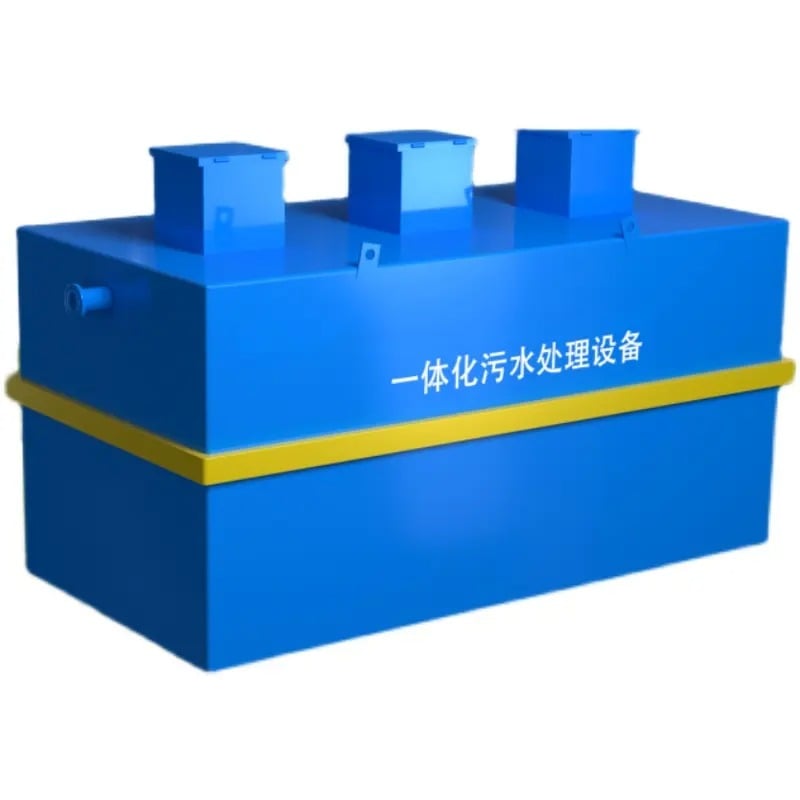
The relationship between production scheduling and brewery wastewater treatment capacity is far more critical than many facility managers realize. When a brewery operates without coordinating its production schedule with treatment system capabilities, the consequences can range from regulatory violations to equipment failure and costly downtime. Understanding this connection is essential for breweries seeking to maintain operational efficiency while meeting environmental compliance requirements.
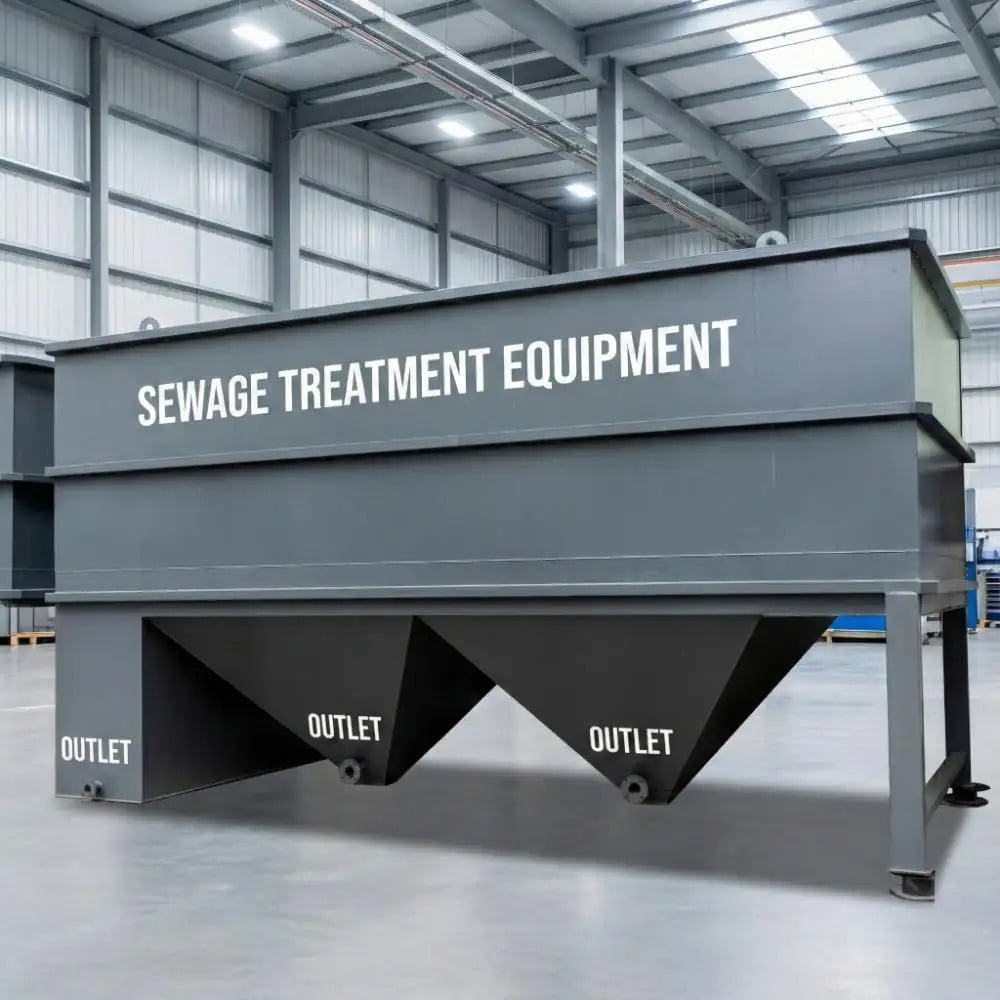
Production scheduling fundamentally shapes the volume, concentration, and timing of wastewater that enters treatment systems. When a brewery accelerates output to meet seasonal demand or customer orders, the organic load and total discharge volume increase proportionally. If treatment infrastructure lacks the capacity to handle these peak load conditions, system performance degrades rapidly, leading to inadequate pollutant removal and potential permit exceedances.
How Production Schedule Impacts Peak Load Management
Understanding Peak Load Dynamics in Brewery Operations
Peak load occurs when a brewery runs at maximum production capacity, generating the highest wastewater volume and contamination levels in a single period. Breweries typically experience peak loads during seasonal shifts, promotional campaigns, or when fulfilling large orders. The brewery's production schedule directly determines when and how often these peak conditions occur, making scheduling strategy a foundational element of treatment system design and operation. Without deliberate coordination between production and treatment planning, peak load events can overwhelm biological reactors, exceed hydraulic retention time, and reduce treatment effectiveness.
Seasonal Variation and Treatment Demand
Seasonal patterns in beer production create recurring peak load scenarios that stress wastewater systems. Summer months typically demand higher production volumes, while winter brewing schedules often decline. A brewery that front-loads production into a narrow seasonal window faces extreme peak load concentrations that treatment capacity must accommodate. Conversely, a brewery that distributes production more evenly across the year spreads the treatment burden, allowing systems to operate within design parameters and maintain consistent pollutant removal efficiency. Thoughtful production schedule adjustment reduces the maximum peak load the brewery wastewater treatment system must handle.
Capacity Planning Aligned with Production Forecasts
Matching Treatment Capacity to Expected Output
Effective brewery wastewater treatment requires capacity planning that accounts for realistic production forecasts. When a brewery anticipates growth or increased seasonal demand, the production schedule must align with treatment system expansion timelines. Many breweries underestimate their future peak load by failing to coordinate expansion plans with production strategy. If a brewery plans to increase annual output by 40 percent, but treatment capacity remains unchanged, the system will operate chronically overloaded during peak periods. Capacity should be sized not only for average daily production but also for the maximum daily or hourly peak load the production schedule will generate.
Buffer Capacity and Operational Flexibility
Smart production scheduling incorporates buffer capacity into treatment system design and operation. A brewery that maintains a 15 to 20 percent operational margin between average peak load and maximum system capacity gains flexibility to handle unexpected production surges or demand spikes without exceeding permit limits. This buffer also accommodates seasonal variability and allows for scheduled maintenance without forcing production shutdowns. The production schedule should define realistic maximum daily volumes and communicate these to the treatment team, ensuring that both departments operate toward the same capacity targets. When production schedules remain fluid and uncommunicated, treatment systems cannot maintain adequate operational margin.
Coordinating Production Schedule with Treatment System Response Time
Hydraulic Retention Time and Production Timing
Brewery wastewater treatment systems require specific hydraulic retention time—the duration wastewater remains in biological reactors or treatment vessels—to achieve target pollutant removal. If production schedule changes cause sudden surges in inflow rate, the retention time shortens, reducing treatment efficiency and pollutant removal. For example, if a brewery doubles production in one shift and a treatment reactor normally retains wastewater for 24 hours, the retention time may drop to 12 hours, allowing inadequately treated water to discharge. Production scheduling must therefore respect the treatment system's biological kinetics and response capabilities. Gradual, predictable production ramps allow treatment processes to adapt and maintain removal performance.
Monitoring and Adjustment During Peak Production Periods
When production schedule intensifies, treatment operators require advance notice to implement operational adjustments. Activated sludge systems may need aeration rate increases, sludge wasting adjustments, or return activated sludge flow modifications to handle elevated peak load conditions. A brewery that provides clear production forecasts allows treatment staff to proactively recalibrate system parameters before peak load stress occurs. Real-time coordination between production and treatment teams prevents surprises, reduces treatment failures, and ensures compliance during high-volume periods. Many breweries find that communicating the production schedule 2 to 4 weeks in advance gives treatment operators sufficient time to prepare for peak load scenarios.
Designing Brewery Wastewater Treatment Systems for Schedule Variability
Modular and Scalable Treatment Infrastructure
Modern brewery wastewater treatment systems increasingly incorporate modular design to accommodate production schedule variability. Modular treatment plants allow breweries to operate a smaller baseline system during low-production periods and activate additional treatment capacity during peak load seasons. This approach reduces operational costs during slow periods while maintaining compliance during peak production. Some breweries implement equalization basins that temporarily store wastewater during peak periods, smoothing inflow into the biological treatment system and reducing peak load impact. Equalization provides a buffer that decouples the production schedule from instantaneous treatment demand, improving overall system stability and performance.
Treatment Technology Selection Based on Production Patterns
The choice of brewery wastewater treatment technology should reflect the brewery's production schedule characteristics. Breweries with highly variable production schedules benefit from treatment systems with inherent flexibility, such as sequencing batch reactors or moving bed biofilm reactors, which tolerate wider fluctuations in influent load. Conversely, breweries with stable, predictable production schedules may optimize costs using conventional activated sludge systems. Extended aeration systems offer greater buffering against peak load shocks compared to conventional systems. A brewery planning capital investment in new treatment capacity should analyze its production schedule patterns and select technology that matches those patterns, ensuring the system handles peak load conditions effectively over the life of the equipment.
FAQ
What happens if brewery production exceeds wastewater treatment capacity?
Exceeding treatment capacity causes inadequate pollutant removal, permit violations, environmental discharge of contaminated water, and potential regulatory penalties. Treatment processes lose efficiency when inflow rates overwhelm the system, hydraulic retention time decreases, and biological activity cannot achieve target pollutant reduction. This scenario also stresses equipment, accelerates wear, and increases maintenance costs. Breweries facing chronic overload must either reduce production, expand treatment capacity, or redesign their production schedule to distribute output more evenly.
How far in advance should production schedule be communicated to treatment teams?
Production schedules should be communicated 2 to 4 weeks in advance of peak load periods, allowing treatment operators time to adjust system parameters, verify equipment function, and prepare for operational changes. For seasonal or annual planning, communication 8 to 12 weeks ahead supports capital planning and major maintenance coordination. Real-time communication of unexpected production changes helps treatment staff respond quickly to prevent compliance issues, though advance notice is always preferable for system optimization.
Can modular brewery wastewater treatment systems handle unpredictable production schedules?
Modular brewery wastewater treatment systems are designed specifically for variable production environments. They allow operators to activate or deactivate treatment modules based on real-time or forecasted peak load demand, maintaining efficient operation across a wide range of production volumes. Combined with equalization tanks and adaptive control systems, modular plants provide excellent flexibility for breweries with unpredictable or highly seasonal production schedules, though some advance notice still improves operational performance.

 EN