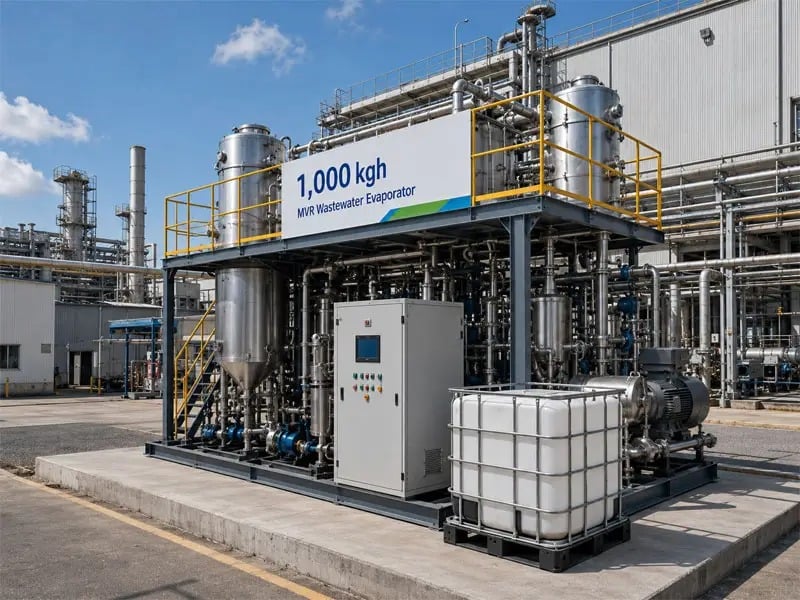
A wastewater evaporator represents a critical investment in industrial water treatment and recovery systems. However, fouling and scaling remain persistent challenges that can severely compromise equipment reliability, increase maintenance costs, and reduce operational uptime. Without proper pretreatment, evaporators face accelerated degradation, thermal efficiency loss, and premature failure. Understanding how pretreatment mitigates these risks is essential for any facility managing wastewater streams.
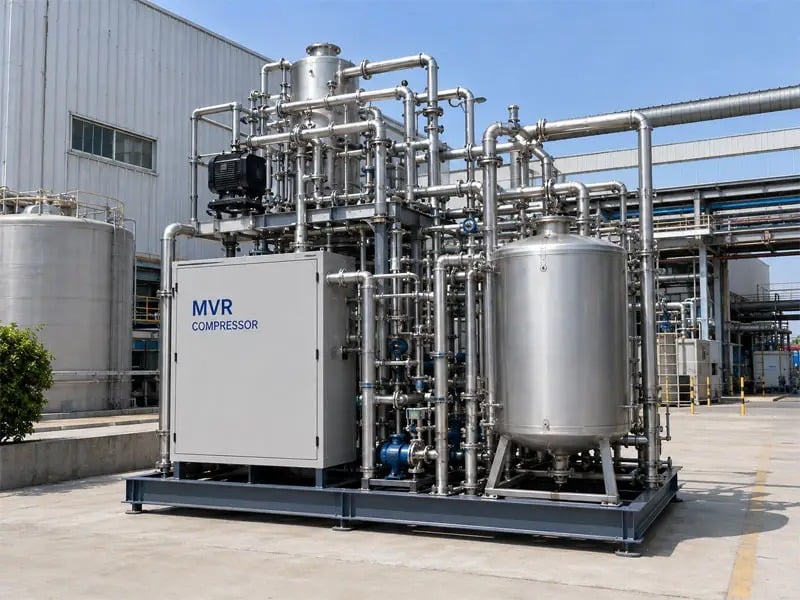
Evaporators concentrate contaminants as water is removed from wastewater streams. This concentration process creates ideal conditions for mineral deposits, biological growth, and particulate accumulation. Strategic pretreatment removes suspended solids, adjusts water chemistry, and eliminates problematic contaminants before they reach the evaporator. This protective approach dramatically improves reliability, extends equipment service life, and reduces the frequency and intensity of cleaning operations.
How Fouling and Scaling Damage Evaporator Performance
Understanding Fouling Mechanisms
Fouling occurs when unwanted material deposits accumulate on heat transfer surfaces inside the evaporator. Suspended particles, colloids, biological organisms, and organic compounds settle and adhere to the equipment interior. This accumulation forms an insulating layer that reduces heat transfer efficiency, forces the system to work harder, and increases energy consumption. Over time, fouling compromises the evaporator's ability to process wastewater effectively and can lead to complete shutdown if not addressed.
Scaling Development and Chemical Impact
Scaling represents the precipitation and crystallization of dissolved minerals on heated surfaces. As wastewater is concentrated, calcium, magnesium, silica, and other minerals exceed their solubility limits and form hard, crusty deposits. Scaling severely reduces thermal conductivity, restricts flow paths, and creates stress points within the equipment. Unlike fouling, scaling builds rapidly and often requires aggressive chemical or mechanical removal to restore performance. Without pretreatment to reduce mineral content, scaling can render an evaporator inoperable within weeks.
The Role of Pretreatment in Preventing Equipment Damage
Removing Suspended Solids and Particulates
Effective pretreatment begins with mechanical separation of suspended solids. Filtration systems capture particles before they enter the evaporator, eliminating one major source of fouling. Sand filters, cartridge systems, and membrane technologies progressively refine wastewater quality. This step protects the evaporator's reliability by preventing particulate buildup on critical surfaces. Pretreatment stages designed specifically for suspended solid removal are fundamental to any strategy that extends equipment life and maintains consistent operation.
Chemical Adjustment and Mineral Control
Pretreatment also involves chemical conditioning to prevent scaling formation. pH adjustment, addition of scale inhibitors, and softening processes modify water chemistry before it reaches the evaporator. These chemical pretreatment steps reduce the saturation level of problematic minerals and prevent them from crystallizing on heat transfer surfaces. By controlling the chemistry of incoming wastewater, pretreatment ensures that the evaporator operates in a chemically stable environment. This protective chemistry is essential for maintaining reliability and preventing the thermal efficiency loss associated with scale deposits.
Biological Contaminant Control
Many wastewater streams contain microorganisms that thrive in warm conditions created within evaporators. Biofilm formation compounds fouling problems and accelerates equipment degradation. Pretreatment can include biocide treatment, ultraviolet sterilization, or other biological control measures. These methods eliminate or reduce the microbial load entering the system, protecting against biofouling. Controlling biological activity through pretreatment is a proactive reliability strategy that prevents costly biological scaling and maintenance emergencies.
Designing a Pretreatment System for Maximum Reliability
Assessing Wastewater Characteristics and Treatment Needs
Every wastewater stream is unique, containing different combinations of suspended solids, dissolved minerals, organic compounds, and biological matter. Effective pretreatment must match the specific composition of the incoming wastewater. Testing reveals which contaminants pose the greatest risk for fouling or scaling in your particular evaporator. A customized pretreatment approach targets the most damaging substances while remaining cost-effective. Understanding your wastewater composition ensures that pretreatment investments deliver maximum protection for both the evaporator and overall system reliability.
Multi-Stage Pretreatment Integration
Industrial facilities often employ multiple pretreatment stages working in sequence. Coarse filtration removes large particles, followed by fine filtration for smaller contaminants. Chemical conditioning occurs in parallel or between filtration stages to adjust pH and introduce protective compounds. Membrane technologies like ultrafiltration provide additional polishing before the wastewater reaches the evaporator. This layered pretreatment approach provides redundant protection, ensuring that even if one stage experiences temporary issues, the evaporator still receives adequately treated water. Multi-stage pretreatment represents the gold standard for maintaining reliability and preventing fouling and scaling problems.
Ongoing Monitoring and Maintenance
Pretreatment systems require regular evaluation to remain effective. Monitoring filter performance, chemical dosing accuracy, and outlet water quality ensures that pretreatment continues to protect the evaporator. Clogged filters reduce pretreatment efficacy and allow contaminants to pass through. Inadequate chemical treatment fails to condition water appropriately. A maintenance schedule that includes filter replacement, chemical adjustment, and system performance testing prevents pretreatment degradation. Consistent attention to pretreatment maintenance directly translates to sustained evaporator reliability and extended equipment service life.
FAQ
Can pretreatment completely eliminate fouling in a wastewater evaporator?
While comprehensive pretreatment significantly reduces fouling risk, some minimal accumulation may still occur over extended operating periods. However, well-designed pretreatment removes the majority of problematic contaminants, dramatically slowing the fouling process and extending intervals between cleaning. This approach maintains high reliability and reduces maintenance burden compared to operating an evaporator without pretreatment protection.
How does pretreatment improve the cost-effectiveness of wastewater evaporators?
Pretreatment prevents expensive downtime, reduces chemical cleaning costs, extends equipment lifespan, and improves energy efficiency by maintaining optimal heat transfer. Although pretreatment systems require capital investment, the return through reduced operational expenses and extended evaporator reliability typically justifies the cost within two to three years of operation.
What is the most critical pretreatment step for scaling prevention?
Chemical conditioning and mineral control through pH adjustment and scale inhibitor addition represent the most critical pretreatment step for preventing scaling. Combined with solid filtration, this chemical pretreatment directly addresses the root cause of mineral precipitation on evaporator surfaces and provides the highest protection against scaling-related equipment damage.

 EN