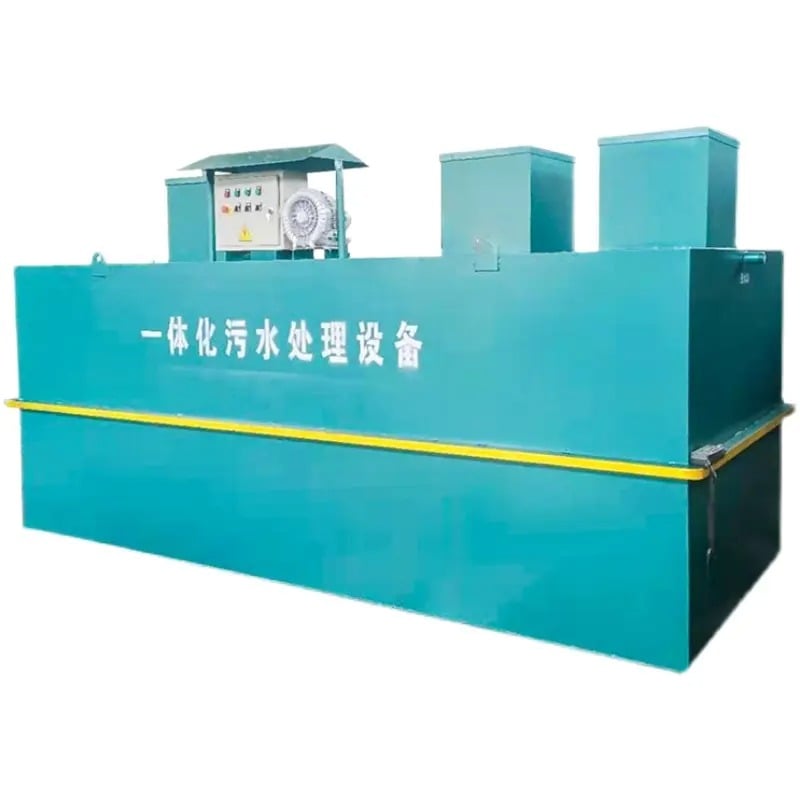
Understanding the financial dynamics of your wastewater infrastructure requires careful attention to operational expenses, and one of the most significant cost drivers in modern treatment facilities is wastewater treatment system cost. When facility managers evaluate their total cost of ownership, membrane replacement emerges as a critical line item that directly influences both short-term budgets and long-term financial planning. The frequency and expense of membrane replacement substantially shapes the overall economics of your treatment operation, affecting everything from annual maintenance schedules to capital reserve allocation.
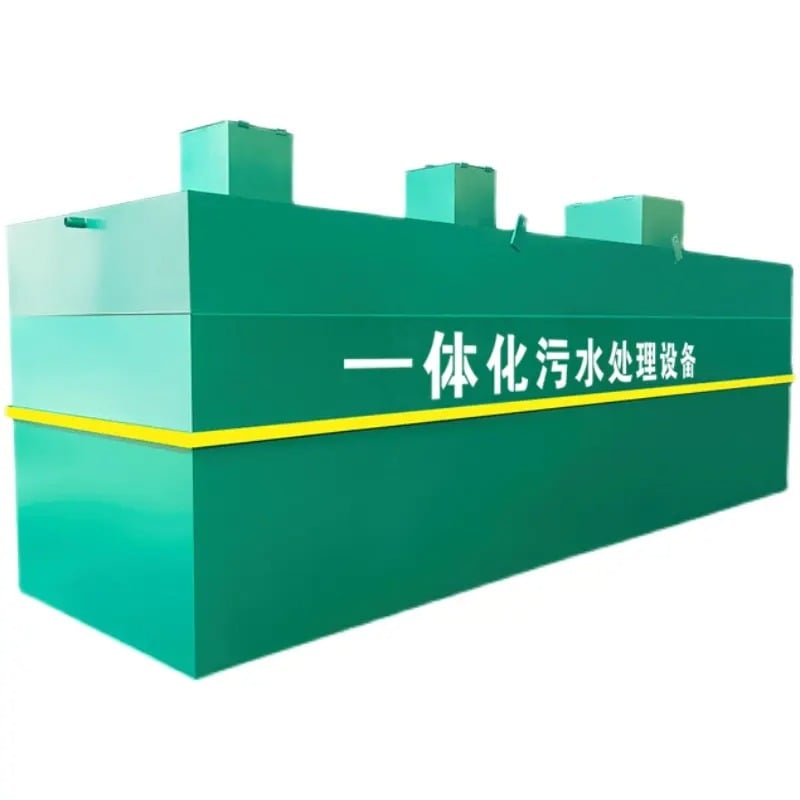
Membrane systems have become standard in modern wastewater treatment facilities because they offer superior effluent quality and compact design. However, this advanced technology introduces specific operational considerations that facility managers must account for when analyzing wastewater treatment system cost. Membrane replacement is not an optional enhancement but a predictable maintenance requirement that directly impacts your OPEX and influences critical budget decisions.
Understanding Membrane Lifespan and Replacement Cycles
Expected Membrane Service Life
Industrial membrane systems typically operate for five to eight years before requiring replacement, depending on feed water quality, operating conditions, and maintenance protocols. This timeline represents a major factor in calculating your wastewater treatment system cost projections. Operators who implement rigorous maintenance practices often extend membrane life toward the upper range, while those operating under challenging conditions may face earlier replacement needs. Understanding your specific membrane lifespan helps establish accurate financial forecasts and prevents unexpected budget surprises.
Factors Influencing Replacement Frequency
Feed water characteristics, including suspended solids concentration, organic content, and temperature fluctuations, directly influence how quickly membranes degrade. OPEX increases significantly when operational parameters drift beyond design specifications. Fouling accumulation, membrane compression, and biological growth are primary degradation mechanisms that accelerate replacement cycles. Facilities treating particularly challenging wastewater streams or operating at higher flux rates should anticipate more frequent membrane replacement and adjust their wastewater treatment system cost models accordingly. Preventive maintenance procedures, including regular backwashing and chemical cleaning, can substantially extend service life and reduce long-term OPEX.
Direct and Indirect Costs of Membrane Replacement
Material and Labor Expenses
Membrane cartridges represent the primary material expense during maintenance cycles, with costs varying based on membrane type, surface area, and performance specifications. Installation labor, specialized equipment rental, and system downtime contribute significantly to the total replacement expense. When calculating your wastewater treatment system cost, membrane replacement labor typically comprises 20 to 40 percent of the total maintenance budget. Facilities must account for both the cartridges themselves and the skilled technician hours required for proper installation and system verification. This direct cost component is straightforward to budget, yet many operators underestimate the ancillary expenses surrounding the replacement process.
Operational Disruption and Productivity Loss
System downtime during membrane replacement creates indirect costs that significantly affect total wastewater treatment system cost calculations. Production facilities relying on consistent wastewater treatment capacity must either reduce operational output or manage effluent bypassing, both of which create financial implications. The duration of downtime depends on system complexity, spare membrane availability, and crew experience. For industrial operations processing high-volume effluent streams, even brief interruptions can result in substantial lost productivity costs. Advanced planning, including scheduling replacements during low-production periods and maintaining spare membrane modules, helps minimize these indirect wastewater treatment system cost impacts.
Strategies for Optimizing Membrane Maintenance and TCO
Predictive Maintenance and Condition Monitoring
Modern monitoring technologies enable operators to track membrane performance metrics in real time, allowing replacement to be scheduled before catastrophic failure occurs. Regular membrane integrity testing, pressure differential trending, and flux monitoring provide early warning signals that inform replacement timing decisions. By implementing predictive maintenance protocols, facilities reduce emergency replacements that drive up OPEX and wastewater treatment system cost through overtime labor and expedited procurement. Data-driven decision making transforms membrane replacement from a reactive expense into a planned budget item, improving financial predictability and operational stability. This proactive approach typically reduces overall TCO by 15 to 25 percent compared to reactive replacement strategies.
Membrane Selection and System Design Considerations
Selecting appropriate membrane specifications during initial system design has lasting implications for long-term wastewater treatment system cost and maintenance requirements. Higher-performance membranes with enhanced fouling resistance may carry higher initial purchase prices but often extend service life significantly, reducing cumulative replacement expenses. System design parameters including flux rates, aeration intensity, and cleaning frequency directly influence membrane degradation rates and replacement cycles. Facilities evaluating new installations or major upgrades should conduct lifecycle cost analyses comparing initial capital investment against projected maintenance expenses over 10 to 15 year periods. This TCO perspective often justifies premium membrane selections that deliver superior durability despite higher upfront costs, ultimately reducing total wastewater treatment system cost.
Maintenance program optimization through operator training, standardized procedures, and quality spare parts inventory directly reduces wastewater treatment system cost and extends membrane life. Facilities investing in staff education and preventive maintenance infrastructure typically achieve longer membrane service intervals and lower OPEX. Chemical cleaning protocols, backwashing procedures, and system operation parameters should be continuously refined based on performance data and industry best practices. Regular membrane inspections identify early degradation signs, allowing replacement scheduling to minimize emergency disruptions and associated cost premiums.
FAQ
How does membrane replacement directly impact overall wastewater treatment system cost?
Membrane replacement represents a significant recurring expense within wastewater treatment system cost calculations, typically comprising 10 to 20 percent of annual OPEX depending on system age and operating conditions. Material costs, labor expenses, and system downtime during replacement all accumulate into the total financial impact. Facilities must budget for complete membrane cartridge costs plus professional installation services, while also accounting for lost productivity during maintenance windows. Understanding this cost driver enables more accurate five-year and ten-year financial projections and helps justify investments in preventive maintenance infrastructure.
What is the relationship between membrane maintenance and TCO in wastewater systems?
TCO analysis reveals that comprehensive maintenance programs reduce total wastewater treatment system cost by extending membrane life and preventing costly emergency replacements. Investing in monitoring equipment, operator training, and regular cleaning procedures increases near-term OPEX modestly but delivers substantial long-term savings through improved membrane durability. Facilities implementing structured maintenance protocols typically reduce replacement frequency by one to two years, delivering cumulative savings of 20 to 30 percent over system lifetime. TCO perspective demonstrates that maintenance expenditures represent cost reduction investments rather than pure expenses.
How can facilities reduce membrane replacement expenses while maintaining treatment performance?
Reducing membrane replacement costs requires coordinated focus on preventive maintenance, operational optimization, and strategic membrane selection. Implementing robust monitoring systems enables scheduling replacements during optimal timeframes rather than emergency situations. Operator training ensures consistent adherence to established cleaning protocols and operating parameters that minimize unnecessary fouling and degradation. Selecting premium membrane products with enhanced durability often provides superior economic returns compared to purchasing lower-cost alternatives with shorter service lives. Regular performance assessments and data-driven adjustments to cleaning frequencies and flux rates help maintain membrane integrity throughout their operational lifespan, ultimately reducing wastewater treatment system cost.

 EN