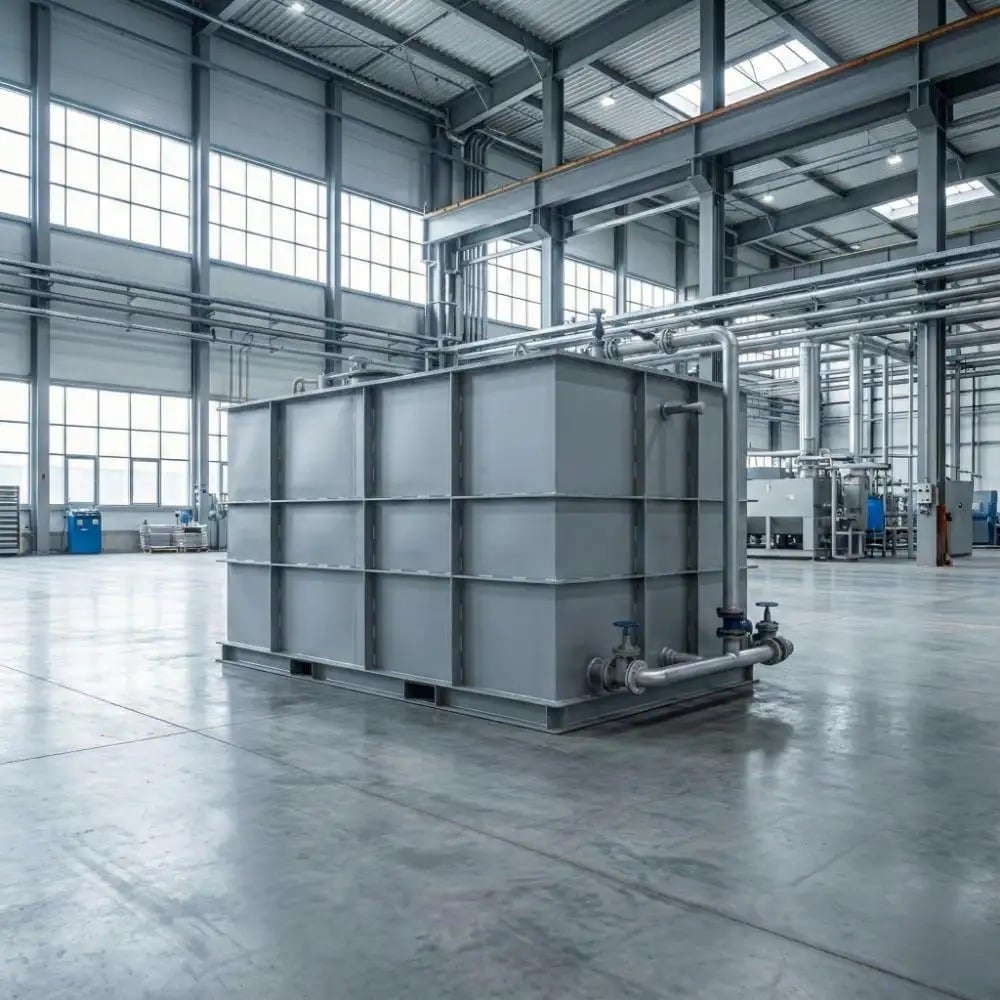
Battery manufacturing facilities generate significant volumes of wastewater containing heavy metals, dissolved solids, and other contaminants that pose environmental risks if discharged untreated. However, modern battery manufacturing wastewater treatment technologies now enable facilities to recover valuable resources while simultaneously supporting water reuse goals. By implementing advanced treatment systems, manufacturers can transform what was once a disposal liability into a recoverable asset, reducing both environmental impact and operational costs associated with freshwater consumption and waste management.
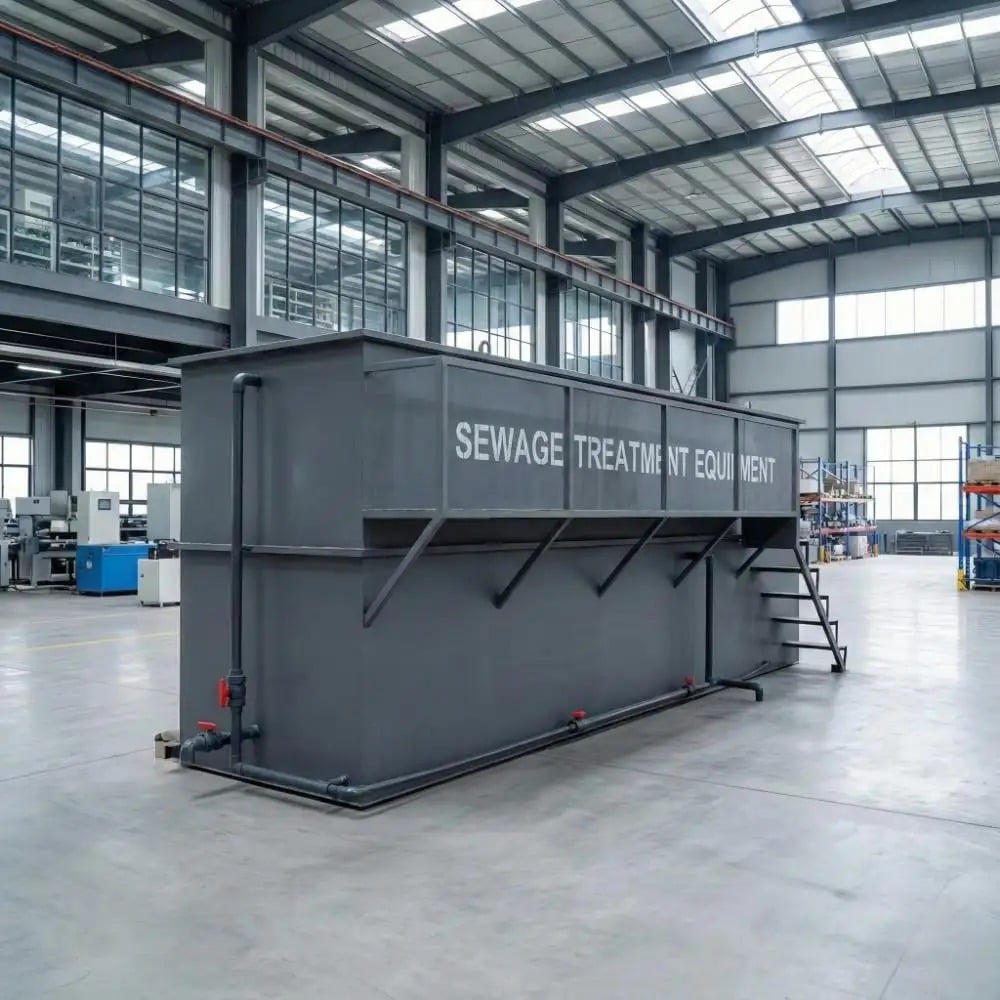
The integration of treatment and reuse technologies reflects a shift toward circular economy principles in battery production. Rather than viewing battery manufacturing wastewater as a waste stream requiring expensive disposal, forward-thinking manufacturers recognize opportunities to recover metals, remove contaminants through advanced filtration, and recycle treated water back into production processes. This approach not only reduces freshwater demand but also lowers treatment and discharge fees while improving facility sustainability profiles and regulatory compliance standing.
Understanding Battery Manufacturing Wastewater Composition
Contaminants and Heavy Metals in Battery Production
Battery manufacturing processes involve multiple chemical reactions and material handling steps that introduce various contaminants into wastewater streams. Lithium-ion battery production, in particular, generates wastewater containing lithium, cobalt, nickel, manganese, and other transition metals used in cathode materials. Lead-acid battery manufacturing introduces lead, sulfuric acid residues, and other toxic compounds. The specific composition varies depending on battery chemistry, but virtually all battery manufacturing facilities must address heavy metal removal as a core treatment priority.
Regulatory and Discharge Standards
Environmental regulations establish strict discharge limits for metals and other contaminants, making untreated discharge economically prohibitive and legally impossible. Many jurisdictions now incentivize water reuse by offering regulatory advantages for facilities that treat and recycle wastewater internally. Compliance with these standards requires systematic treatment protocols, often involving multiple stages of physical, chemical, and membrane-based separation. Understanding these regulatory drivers helps manufacturers justify investment in comprehensive treatment systems that support water reuse objectives.
Treatment Technologies for Metal Recovery and Reuse
Metals Recovery Through Precipitation and Separation
Chemical precipitation remains a foundational technology for removing dissolved metals from battery manufacturing wastewater. By adjusting pH and adding precipitating agents, manufacturers can selectively convert soluble metals into solid forms that can be physically separated through settling or filtration. This process recovers valuable metals while dramatically reducing their concentration in the liquid phase. Advanced precipitation systems optimize reagent dosing to minimize chemical costs while maximizing metal recovery efficiency, making the recovered materials economically viable for resale or reuse within battery production itself.
Membrane Filtration for High-Quality Water Reuse
Membrane technologies, including ultrafiltration, nanofiltration, and reverse osmosis, provide the final polishing steps necessary to produce water suitable for reuse in manufacturing processes. These membrane systems remove residual suspended solids, dissolved salts, and trace contaminants that precipitation and conventional filtration cannot adequately address. Membrane filtration enables treated battery manufacturing wastewater to meet stringent reuse standards, allowing recycled water to return to production areas, cooling systems, and other non-potable applications. The investment in membrane infrastructure directly supports water reuse goals by ensuring treated water quality consistency and reliability.
Implementing Water Reuse Systems in Battery Plants
Integration of Treatment and Recycling Infrastructure
Successful water reuse programs require coordinated system design that connects treatment equipment with internal recycling loops throughout the facility. Battery manufacturing wastewater must flow through sequential treatment stages—from initial precipitation and settling through membrane filtration—before reaching storage and distribution systems that deliver recycled water to production areas. This infrastructure integration involves careful selection of equipment sizing, flow rates, and quality monitoring points to ensure consistent performance. Facilities that design treatment systems with water reuse as a primary objective typically achieve higher recovery rates and lower overall treatment costs compared to those implementing treatment solely for compliance.
Monitoring, Quality Assurance, and Operational Efficiency
Continuous monitoring of treated water quality ensures that recycled water consistently meets required standards for its intended reuse application. Real-time sensors tracking pH, conductivity, turbidity, and metal concentrations provide operators with early warning of treatment performance degradation. Battery manufacturing operations benefit from this data by optimizing chemical dosing, membrane cleaning schedules, and overall system efficiency. Quality assurance protocols also build confidence among facility managers that recycled water will not degrade product quality or introduce unexpected operational issues, making water reuse a trusted component of sustainable manufacturing strategy.
FAQ
What metals are typically recovered from battery manufacturing wastewater?
Battery manufacturing wastewater commonly contains cobalt, nickel, lithium, manganese, and lead, depending on battery chemistry. These valuable metals can be recovered through precipitation and separation processes, then either resold as secondary materials or reprocessed for use in battery production. Recovery of these metals reduces both disposal costs and the need for virgin material sourcing, supporting circular economy principles while improving facility profitability.
How does membrane filtration improve water reuse outcomes?
Membrane technologies like reverse osmosis and ultrafiltration remove dissolved salts, suspended solids, and trace contaminants that conventional treatment cannot eliminate. By polishing treated water to high purity standards, membrane systems enable reuse in sensitive manufacturing processes where water quality directly affects product consistency. This technology transforms treatment from a compliance cost center into an asset that supports production reliability and efficiency.
What regulatory advantages do facilities gain from implementing water reuse?
Many jurisdictions offer regulatory incentives for facilities that treat and recycle wastewater internally, including reduced discharge permits, lower treatment fees, and preferential zoning status. Beyond compliance benefits, facilities achieve reduced freshwater consumption, lower utility costs, and enhanced environmental reputation. These combined advantages often justify the capital investment in comprehensive treatment and water reuse infrastructure within industry-standard payback periods.

 EN