Food processing plants face one of the most challenging wastewater treatment scenarios in industrial operations. The composition and flow rate of food processing wastewater fluctuates dramatically throughout the day, creating sudden surges in contaminant concentrations that can overwhelm biological treatment systems. These unpredictable variations, known as shock loads, represent one of the most critical operational challenges facility managers must address to maintain consistent effluent quality and regulatory compliance.
Understanding how shock loads develop and learning proven mitigation strategies is essential for any food processing operation. Whether your facility processes meat, dairy, vegetables, or beverages, the fundamental challenge remains the same: protecting your biological treatment system from sudden substrate and toxin surges while maintaining reliable pollutant removal. This guide explores practical, proven approaches to stabilizing treatment performance and reducing operational stress on your wastewater infrastructure.
Understanding Shock Loads in Food Processing
What Causes Shock Loads
Food processing operations generate wastewater in distinct bursts rather than steady streams. Product changeovers, cleaning cycles, peak production periods, and seasonal variations all contribute to sudden increases in organic load, suspended solids, and nutrient concentrations. When these shock loads reach the biological treatment system, microorganisms cannot adapt quickly enough to process the sudden influx of substrates, leading to treatment failure, rising effluent contaminants, and potential regulatory violations.
The severity of shock load events depends on facility size, production schedule, and the type of food processing conducted. A dairy facility washing equipment may release concentrated protein and fat loads over short periods. A meat processing plant might experience surges in nitrogen and high-strength organic matter during peak cutting operations. Understanding the specific shock load profile of your food processing operation is the first step toward designing an effective mitigation strategy.
Impact on Biological Treatment Systems
Biological treatment systems rely on stable environmental conditions for optimal microbial activity. When shock loads arrive, the biomass becomes stressed, metabolism slows, and treatment efficiency drops. Extended or repeated shock events can cause biomass washout, where microorganisms are flushed from the system faster than they reproduce, leaving insufficient active biomass to treat incoming wastewater. This cascading failure can take days or weeks to recover from, during which your facility remains in violation and unable to meet discharge standards.
Equalization: The Primary Shock Load Defense
How Equalization Works
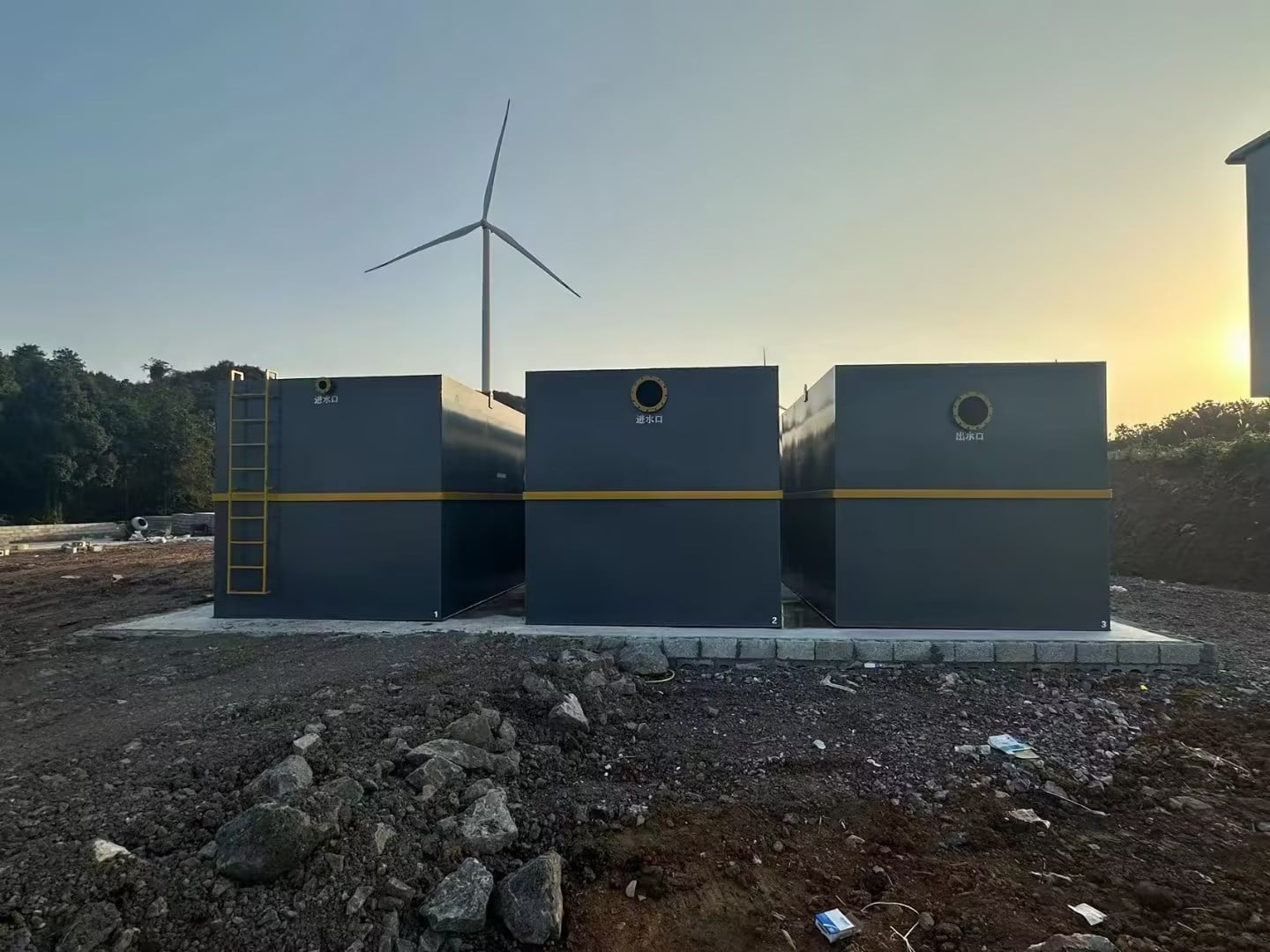
Equalization tanks act as a buffer between production and your biological treatment process. By collecting wastewater from production activities and releasing it at a controlled, steady rate, equalization smooths out concentration spikes and flow variations. Rather than allowing shock loads to overwhelm your biological system, equalization distributes incoming wastewater over time, allowing the treatment process to handle substrate at a manageable pace. This simple but effective strategy has become industry standard for food processing facilities seeking stable treatment performance.
The equalization approach requires careful tank sizing based on peak production patterns, facility flow rates, and the severity of expected shock loads. Undersized tanks cannot accommodate peak flows, while oversized tanks waste capital and occupy unnecessary space. A well-designed equalization system incorporates automated level controls, aeration to prevent anaerobic conditions, and rapid mixing to ensure representative samples of the equalized wastewater reach the biological treatment stage at appropriate concentrations.
Equalization Design Principles
Effective equalization begins with detailed characterization of your facility's wastewater generation patterns. Peak flow rates, contaminant concentration ranges, and production schedules must be documented to size the equalization system correctly. Most food processing facilities benefit from equalization tank residence times between 4 and 8 hours, depending on the severity of shock loads and the resilience of the downstream biological system. Aeration during equalization prevents septic conditions, maintains adequate dissolved oxygen, and promotes mixing that creates more uniform wastewater composition downstream.
Biological Treatment Integration and Shock Load Resilience
Selecting Robust Biological Systems
Once equalization reduces shock load magnitude, the downstream biological treatment system must still be designed with sufficient capacity and resilience to handle the equalized wastewater reliably. Activated sludge systems, sequencing batch reactors, and membrane bioreactors all offer varying degrees of shock load tolerance. Systems with extended solids retention times and larger sludge inventories can absorb minor shock loads without dramatic performance drops. For food processing wastewater containing highly variable substrates, selecting a biological treatment configuration with proven shock tolerance becomes critical to long-term compliance.
The combination of equalization and an appropriately sized biological system creates a defensive strategy that protects against both expected and unexpected shock events. Most facilities find that proper equalization reduces peak shock load intensity by 60 to 75 percent, bringing downstream loadings within the tolerance range of well-designed biological reactors. This integrated approach minimizes operational stress, reduces chemical supplementation needs, and improves final effluent quality consistency.
Monitoring and Continuous Improvement
Shock load management does not end with initial system commissioning. Ongoing monitoring of wastewater characteristics, equalization tank levels, and biological system performance indicators reveals whether your current strategy remains effective. Changes in product mix, production volume, or processing techniques can alter shock load profiles over time. Regular sampling and analysis of equalized wastewater, mixed liquor parameters, and final effluent composition help identify whether equalization tank design remains adequate or if expansion and upgrading become necessary.
FAQ
What are the typical signs that shock loads are damaging my biological treatment system?
Common indicators include rising effluent BOD or COD concentrations, declining nitrification efficiency, visible biomass washout in clarifier effluent, odor complaints, and difficulty meeting discharge permits. If your facility experiences frequent exceedances despite seemingly adequate system capacity, shock load mitigation should be your first investigation priority.
Can equalization alone solve food processing wastewater shock load problems?
Equalization significantly reduces shock severity but typically cannot eliminate all variability, particularly for extreme events. The most effective approach combines equalization with biological system design that includes adequate SRT, sufficient tank volume, and aeration control. This integrated strategy, rather than equalization alone, provides robust protection for most food processing operations.
How do I calculate the required size for an equalization tank?
Tank sizing depends on peak flow rates, maximum contaminant concentrations expected, desired equalization residence time, and downstream biological system capacity. Most engineers recommend 4 to 8 hours residence time for food processing wastewater. Consulting with a wastewater engineer who understands your specific production schedule ensures your equalization tank balances cost against shock load protection effectively.

 EN