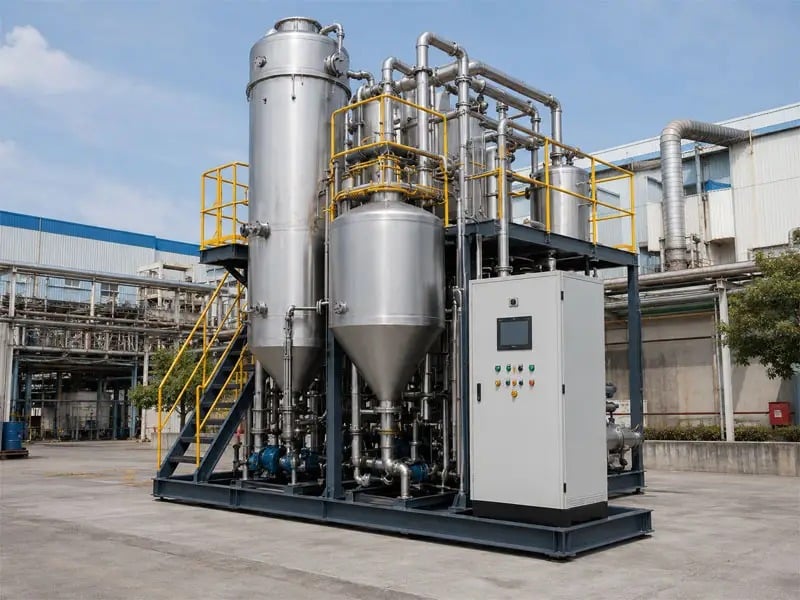
An evaporation system for wastewater represents a critical investment for industrial operations managing high-volume or high-salinity discharge streams. Before specifying equipment, selecting vendors, or beginning design work, you must establish a robust design basis that captures all operational parameters, feedstock characteristics, and recovery objectives. The design basis is not simply a wishlist; it is the engineering foundation that determines whether your evaporation system will perform reliably, meet discharge limits, and deliver the return on investment you expect.
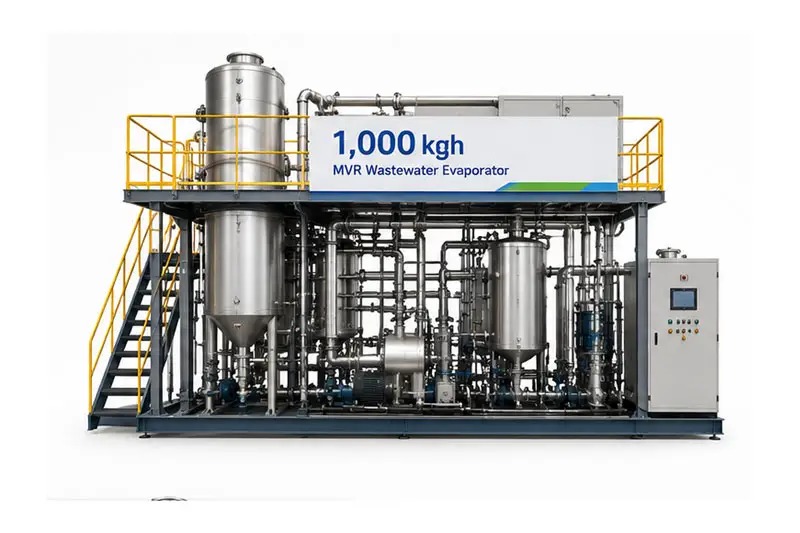
Establishing the right design basis requires careful analysis of your feedstock, treatment goals, facility constraints, and cost expectations. This document serves as the contract between operations and engineering, and it prevents misalignment, scope creep, and costly rework after commissioning. Many industrial facilities struggle with evaporation system performance because they rushed through or underestimated the design basis phase. This guide walks you through the key steps and considerations needed to define a design basis that truly fits your operation.
Understanding Feed Data and Composition
Collecting Accurate Feed Characteristics
The foundation of any design basis begins with precise feed data. You must know the composition, flow rate, temperature, and variability of the wastewater entering your evaporation system for wastewater treatment. Incomplete or inaccurate feed data leads to undersized or oversized equipment, poor thermal efficiency, and operational problems that emerge months after startup. Collect representative samples over multiple seasons or production cycles to capture realistic variation in salinity, solids content, pH, and organic contaminants.
Document the minimum, average, and maximum flow rates your facility expects to process. For an evaporation system for wastewater handling high-salinity streams, the salt concentration, specific gravity, and scaling potential must be quantified through laboratory analysis. Include any suspended solids, heavy metals, organic acids, or foam-forming substances that could affect evaporator performance or create fouling on heat exchange surfaces. This feed data becomes the starting point for all downstream engineering calculations.
Defining Feed Variability and Seasonal Shifts
Industrial wastewater composition rarely remains constant. Production cycles, seasonal weather changes, and upstream process modifications all alter the feedstock reaching your evaporation system for wastewater. Your design basis must specify the anticipated range and frequency of these variations. For example, if feed salinity can swing from 5% to 25% by weight, your evaporation system design must handle both extremes without exceeding equipment material limits or causing emergency shutdowns.
Establish worst-case operating scenarios for your design basis. What happens when your facility runs at maximum capacity with the highest salinity feed and ambient temperatures are elevated? These extreme conditions shape equipment sizing, cooling water requirements, and operational protocols. Conversely, document the minimum viable throughput and feed concentration to ensure your evaporation system for wastewater remains economical and effective across the full operational envelope.
Specifying Recovery Goals and Utilities Requirements
Setting Realistic Recovery and Discharge Targets
Recovery represents the percentage of incoming wastewater converted to clean distillate suitable for reuse or discharge. Your design basis must articulate whether your recovery goal is 80%, 90%, or 95%, because this target directly impacts equipment size, operating cost, and concentrate disposal strategy. Higher recovery rates demand larger evaporators, more thermal energy, and more robust concentrate handling. Conversely, lower recovery simplifies operations but produces larger volumes of brine that require expensive disposal or further treatment.
Align recovery targets with your regulatory discharge limits, water reuse objectives, and concentrate disposal capacity. If local regulations permit only minimal brine discharge, your design basis may mandate very high recovery. If concentrate can be economically disposed through evaporation ponds or crystallization, a lower recovery target becomes acceptable. The design basis must clearly state the target recovery rate, the quality specifications for the distillate product, and the expected composition and volume of the concentrate stream leaving the system.
Evaluating Utilities and Energy Consumption
An evaporation system for wastewater requires thermal energy (steam or hot water), cooling water, and electrical power. Your design basis must specify what utilities are available, their cost, and any constraints on consumption. If steam is available, specify the pressure and temperature. If the system relies on electrical heating or heat pump integration, document the electrical capacity of your facility and peak demand periods. Cooling water availability, seasonal temperature variation, and environmental discharge restrictions all shape the design basis for thermal management.
Calculate preliminary estimates of steam demand, cooling water flow, and electricity consumption for your design basis. These utilities represent the largest ongoing operating cost for an evaporation system for wastewater, so accurate estimation prevents budget surprises and operational constraints after startup. If your facility faces seasonal steam shortages or cooling water limitations, the design basis must address how the system will operate or be throttled during those periods. Document any pressure drop, temperature approach, or efficiency assumptions that support utility projections.
Translating Design Basis into Equipment Specifications
Establishing Operating Conditions and Performance Criteria
The design basis for your evaporation system for wastewater should explicitly state the target evaporator temperature, pressure, and vapor space conditions. Specify whether the system operates under vacuum, atmospheric, or elevated pressure. Define the acceptable boiling point elevation, maximum allowable salt concentration in the evaporator body, and performance parameters like specific heat transfer coefficient and overall thermal efficiency. These operating conditions constrain equipment materials, instrumentation, and control strategies.
Document any special requirements imposed by the feedstock or local regulations. Some waste streams contain materials that corrode copper or brass, requiring titanium or stainless steel construction. If the concentrate is acidic or alkaline, chemical compatibility and material selection drive cost and longevity. Your design basis should specify acceptable tube materials, gasket types, and metallurgy constraints to ensure long-term reliability. Include maintenance windows, inspection intervals, and cleaning protocols that the design basis anticipates as necessary to sustain performance.
Risk Assessment and Contingency Planning
A complete design basis includes contingency planning for equipment failure, feed quality excursions, and utility interruptions. Specify backup strategies if cooling water temperature spikes or steam pressure drops unexpectedly. Define the maximum allowable downtime and the consequences of a process upset. If your evaporation system for wastewater must meet strict regulatory discharge limits, the design basis should outline monitoring, sampling, and documentation protocols that verify compliance and protect your facility from violations.
Include performance guarantees and acceptance criteria in your design basis. What test conditions must the equipment meet before you accept it from the manufacturer? Specify whether the design basis includes pilot testing, full-scale trial runs, or mathematical modeling to validate assumptions before final commitment. Clear acceptance criteria prevent disputes and ensure the delivered evaporation system for wastewater meets your operational expectations from day one.
FAQ
What is the difference between design basis and engineering specifications?
The design basis defines what your evaporation system for wastewater must accomplish: feedstock composition, recovery rate, utilities available, and operational constraints. Engineering specifications translate that design basis into detailed equipment dimensions, material grades, control strategies, and installation requirements. The design basis answers 'why' and 'what goals'; specifications answer 'how to build it.' Both are essential, but the design basis must be finalized first to guide specification development accurately.
How do I verify that my feed data is accurate for design basis development?
Collect multiple samples across different seasons and production cycles, not just a single snapshot. Analyze feedstock composition through certified laboratory testing that includes salinity, pH, suspended solids, heavy metals, and any unique contaminants relevant to your operation. Compare laboratory results against historical process data and production records to identify patterns and anomalies. Engage operations personnel who understand your feedstock variability, and incorporate their insights into the design basis to ensure real-world accuracy and operational credibility.
How do recovery targets and utilities consumption affect the design basis?
Higher recovery rates require larger evaporator surface area, more thermal energy, and stronger concentrate handling systems, all of which increase capital and operating costs. Utilities consumption directly determines steam demand, cooling water flow, and electrical requirements, which must align with your facility's available capacity and budget constraints. The design basis must balance recovery goals against utility availability and cost to identify the most economically viable configuration for your evaporation system for wastewater.

 EN