Electroplating operations generate complex wastewater streams laden with heavy metals, toxic chemicals, and suspended solids that pose significant environmental and regulatory challenges for manufacturers worldwide. The traditional approach of treating and disposing of this wastewater has become increasingly costly and environmentally unsustainable, prompting forward-thinking industries to adopt integrated solutions that address both compliance and resource recovery. Modern electroplating wastewater treatment systems now combine advanced metal removal technologies with water reuse strategies, transforming a liability into a recoverable resource while reducing operational expenses and environmental footprint.
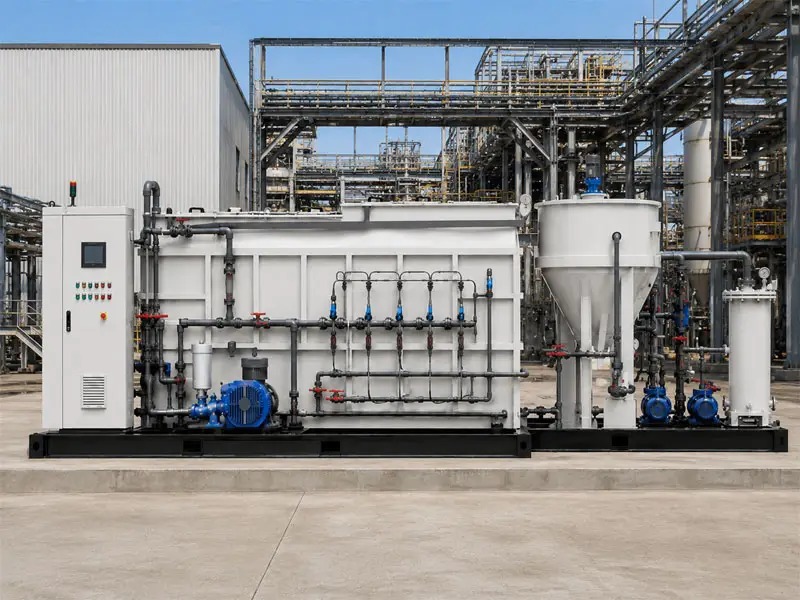
The integration of electroplating wastewater treatment with water reuse represents a paradigm shift in industrial sustainability. Rather than viewing metal removal as the end point of treatment, progressive manufacturers now see it as the foundation for recovering and reusing treated water in rinse tanks, cooling systems, and ancillary processes. This dual-purpose approach delivers immediate financial returns through reduced freshwater consumption, lower sewer discharge fees, and decreased chemical purchases, while simultaneously strengthening regulatory compliance and corporate environmental accountability.
The Metal Removal Foundation in Electroplating Wastewater Treatment
Understanding Electroplating Effluent Composition
Electroplating facilities discharge wastewater containing chromium, nickel, copper, zinc, cadmium, and other heavy metals depending on the specific plating processes employed. Electroplating operations also introduce cyanide, chelating agents, and suspended hydroxide solids that complicate treatment chemistry and metal removal efficiency. Standard precipitation and settling techniques remove only coarse particles, leaving dissolved metals and complex compounds that demand more sophisticated metal removal strategies to achieve discharge limits and enable water reuse.
Proven Metal Removal Technologies
Hydroxide precipitation remains the foundational metal removal method, converting soluble metals into insoluble hydroxide particles through pH adjustment and coagulation chemistry. Many electroplating facilities enhance precipitation by incorporating crystallization stages that consolidate metal hydroxides into denser, more easily settled solids, improving metal removal performance and reducing sludge volume. Sequential metal removal processes combine precipitation with ion exchange or electrochemical reduction, targeting specific metals like hexavalent chromium that resist standard precipitation alone, ensuring that metal removal achieves the stringent limits required for industrial water reuse applications.
Membrane Technology for Advanced Polishing and Water Recovery
Microfiltration and Ultrafiltration Integration
After metal removal through precipitation, membrane technologies provide the final polishing stage essential for reliable water reuse in electroplating environments. Microfiltration removes remaining hydroxide precipitates and colloids, while ultrafiltration polishes the effluent further by eliminating colloidal metals, residual oils, and high-molecular-weight organics that traditional settling cannot capture. Membrane systems achieve the clarity and purity levels necessary for recycling water back into rinse tanks and cooling loops, dramatically reducing freshwater demand and enabling true closed-loop electroplating operations.
Reverse Osmosis for Desalination and Salt Removal
Electroplating rinse waters often accumulate salts and dissolved ions from plating chemistry and metal precipitation byproducts, requiring advanced desalination for safe reuse. Reverse osmosis membrane technology removes dissolved salts, residual metal ions, and conductivity-raising dissolved solids, producing high-purity water suitable for sensitive rinse stages and recirculation to process baths. By combining membrane polishing with reverse osmosis, electroplating facilities achieve metal removal and total dissolved solid reduction in a single integrated treatment train, maximizing reuse potential while minimizing concentrate disposal costs.
Designing Integrated Metal Removal and Reuse Systems
Treatment Train Architecture and Flow Logic
Effective electroplating wastewater treatment systems sequence metal removal and membrane stages strategically to balance capital investment, operating costs, and reuse water quality. Primary treatment focuses on rapid metal removal through precipitation and settling, generating a clear overflow suitable for secondary membrane polishing while concentrating removable solids into a manageable sludge stream. Secondary treatment employs microfiltration and membrane technologies to achieve reuse-quality water, with reverse osmosis polishing addressing salt content when process requirements demand ultra-pure reuse water for critical rinse baths or recirculated plating solution top-offs.
Operational Optimization and Monitoring
Continuous monitoring of metal removal efficiency, membrane flux decline, and treated water quality parameters ensures consistent reuse water safety and regulatory compliance throughout operational campaigns. Automated pH control, coagulant dosing, and membrane backflushing cycles optimize metal removal performance while extending membrane life and controlling operating costs. Real-time turbidity, conductivity, and metal ion monitoring provide early detection of treatment upset conditions, allowing operators to adjust metal removal chemistry or membrane operating modes before treated water quality degrades, protecting downstream reuse applications and preventing contamination of recycled water systems.
Business and Environmental Benefits of Integrated Treatment
Cost Reduction Through Water Reuse
Electroplating facilities implementing comprehensive metal removal and water reuse recover 60–85% of treated effluent for internal recycling, dramatically reducing freshwater intake and wastewater discharge volumes. Reused water directly offsets expensive municipal or well water consumption, while reduced discharge volumes lower sewer surcharge fees, treatment chemical purchases, and waste disposal costs. Payback periods typically range from 3–6 years for integrated systems, with ongoing annual savings exceeding 40–50% of original water and wastewater handling expenses in many installations.
Regulatory Compliance and Risk Mitigation
Metal removal technologies and membrane polishing provide multi-barrier protection against regulatory violations, consistently delivering effluent that meets discharge standards for chromium, nickel, copper, and other regulated metals regardless of process variability. Documented reuse water quality and metal removal performance reduce audit risk, environmental violation exposure, and potential penalties associated with inconsistent treatment or accidental exceedances. Certified treatment systems also enhance company reputation with eco-conscious customers and regulators, supporting corporate sustainability goals and competitive positioning in environmentally sensitive markets.
FAQ
Can electroplating wastewater treatment achieve zero liquid discharge?
True zero liquid discharge requires precipitation and metal removal to be paired with advanced dewatering, crystallization, and high-recovery reverse osmosis to reuse nearly all water while concentrating salts into disposable crystalline solids. Most electroplating facilities achieve 85–95% reuse through integrated treatment, with the remaining 5–15% concentrate requiring disposal or further processing. Zero liquid discharge is technically possible but economically justified only in water-stressed regions or facilities with very high disposal costs relative to energy and crystallization processing expenses.
What is the typical lifespan of membrane systems in electroplating wastewater treatment?
Microfiltration and ultrafiltration membranes in well-maintained systems last 3–5 years, while reverse osmosis membranes typically operate 2–3 years depending on inlet water quality, pretreatment effectiveness, and recovery rate settings. Metal removal pretreatment quality directly impacts membrane life; inadequate precipitation or metal removal dramatically shortens membrane service intervals and increases replacement costs. Regular cleaning protocols, proper backflushing, and chemical maintenance can extend membrane longevity, making upstream metal removal investment in robust precipitation technology critical for long-term system economics.
How does membrane technology improve metal removal efficiency in existing electroplating facilities?
Adding membrane polishing to existing hydroxide precipitation systems enables reuse of water already treated for metal removal, maximizing recovery of partially treated water while minimizing capital retrofit costs compared to replacing entire treatment systems. Membrane technology removes colloidal metals and residual particulates that precipitation alone cannot capture, improving treated water quality without requiring excessive coagulant additions or extended settling times that consume valuable facility space. Modular membrane skids retrofit easily into existing treatment areas, allowing incremental capacity expansion and water reuse implementation without complete system replacement or extended operational downtime.

 EN






