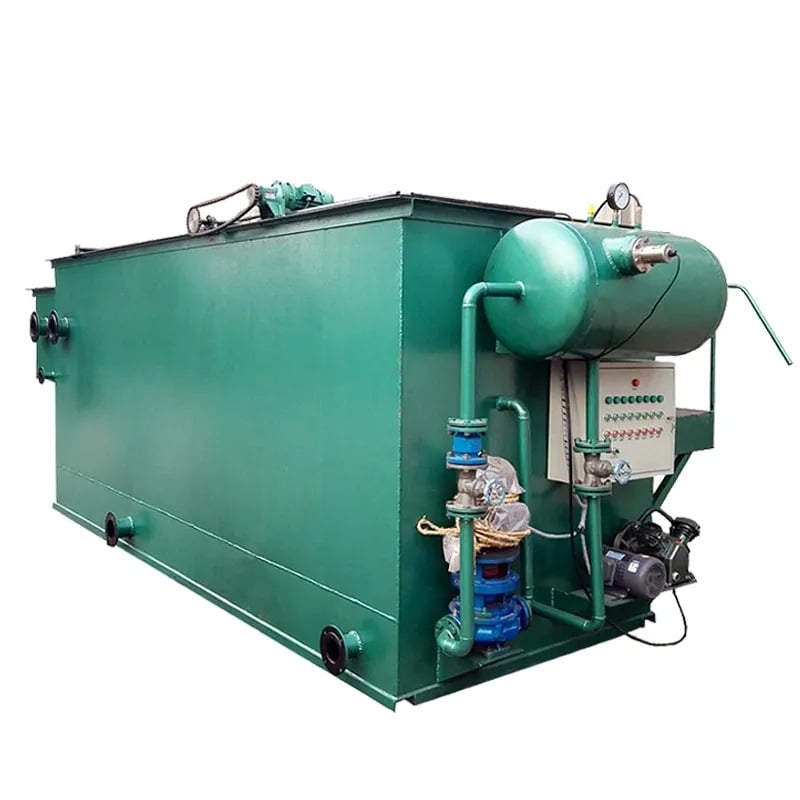
Selecting the right pretreatment technology is critical for industrial wastewater management. Dissolved air flotation wastewater treatment has emerged as a proven solution for removing suspended solids, oil, and other contaminants before downstream processing. However, not every facility requires DAF, and understanding when this technology is the optimal choice can significantly impact treatment efficiency and cost-effectiveness.
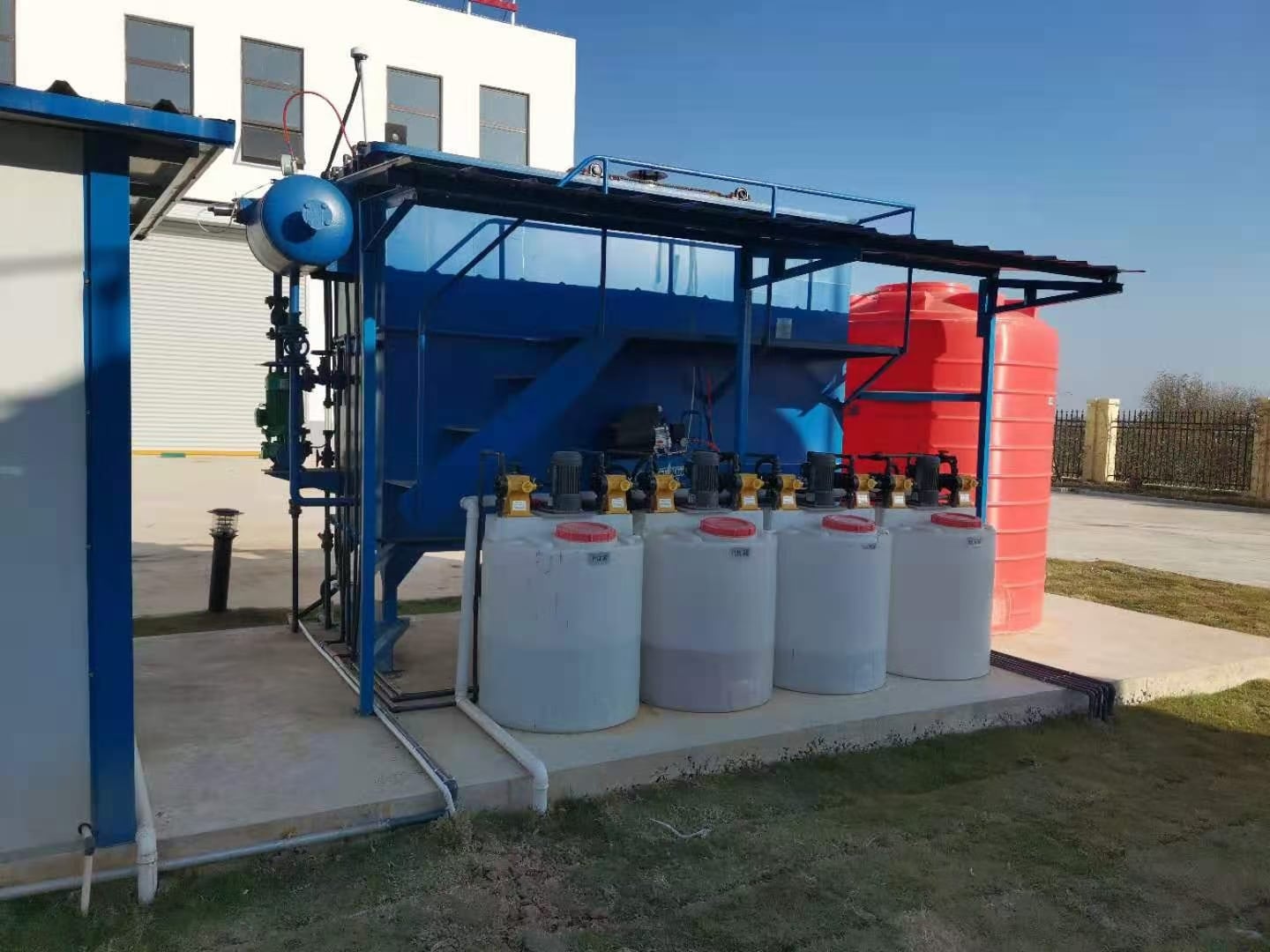
This guide examines when DAF is the right pretreatment step for your facility. We explore the technical conditions, wastewater characteristics, and operational scenarios where dissolved air flotation delivers superior performance compared to alternative technologies. Understanding these decision factors helps facility managers avoid costly mistakes and optimize their treatment train design.
Understanding DAF Technology and Oil Removal Capability
How Dissolved Air Flotation Works
DAF operates by introducing microscopic air bubbles into wastewater under pressure. These bubbles attach to suspended solids and oil droplets, causing them to float to the surface where they accumulate as a removable sludge layer. The process relies on three core steps: pressurization, saturation, and flotation. The technology is particularly effective at removing oil because dissolved air flotation wastewater treatment creates buoyancy that traditional settling cannot achieve for light-density contaminants.
Solids removal efficiency in DAF systems typically ranges from 85 to 95 percent for suspended particles, depending on feed characteristics and equipment design. Oil removal rates are even more impressive, often exceeding 95 percent when the system is properly sized and operated. This superior performance for oil recovery makes DAF the preferred pretreatment choice across petroleum refining, food processing, and metal fabrication industries.
Comparing DAF to Settling and Other Pretreatment Methods
Traditional gravity settling relies on density differences to separate solids from liquid, making it ineffective for light oil droplets and fine suspended particles. DAF overcomes this limitation by actively transporting contaminants to the surface. When oil constitutes a significant portion of your wastewater volume, settling basins alone will not deliver adequate removal, whereas DAF provides the buoyancy force needed for complete oil separation.
Compared to screen-based pretreatment, dissolved air flotation wastewater treatment handles a broader range of particle sizes and naturally integrates coagulation chemistry for improved floc formation. DAF also outperforms dissolved air flotation systems when solids concentration varies dramatically or when your facility must handle seasonal changes in wastewater composition. The flexibility of pretreatment design means choosing the right technology depends on specific wastewater characteristics rather than generic industry standards.
Identifying When DAF Is the Right Pretreatment Choice
Wastewater Characteristics That Favor DAF
DAF becomes the optimal pretreatment solution when your wastewater contains significant oil concentrations, typically exceeding 100–300 mg/L. Facilities handling mineral oil, hydraulic fluid, or emulsified oil require DAF to achieve regulatory discharge limits. Additionally, when solids consist primarily of fine particles or gelatinous materials that resist gravity settling, DAF offers superior separation performance because the technology actively transports material regardless of particle density.
Your wastewater may also contain colloidal suspended solids that remain in suspension indefinitely. These particles respond poorly to pretreatment settling but readily attach to the microscopic air bubbles in a DAF system. If laboratory jar tests demonstrate poor settling even with coagulant addition, dissolved air flotation wastewater treatment becomes the logical choice. Seasonal variations or inconsistent wastewater composition also favor DAF because the technology maintains consistent oil and solids removal across changing influent conditions.
Process and Discharge Requirement Scenarios
Regulatory discharge limits drive pretreatment decisions across most industrial sectors. If your permit specifies oil discharge limits below 15 mg/L or suspended solids limits below 50 mg/L, DAF pretreatment ensures consistent compliance ahead of secondary treatment stages. Refineries, machine shops, and food processing plants often face stringent oil limits that only DAF can reliably achieve as a single-stage pretreatment.
Space constraints also influence the pretreatment decision. DAF equipment occupies significantly less floor area than equivalent gravity settling basins, making it ideal for retrofit applications or facilities with limited real estate. The compact footprint of dissolved air flotation systems allows operators to upgrade existing treatment trains without major facility expansion. Additionally, if your facility pursues solids or oil recovery for reuse or resale, DAF delivers concentrated sludge streams that maximize material value compared to dilute settling basin sludge.
Operational and Economic Considerations for DAF Implementation
Capital and Operating Cost Analysis
DAF system costs depend on treatment capacity, wastewater characteristics, and automation level. Smaller systems treating 50–200 gallons per minute typically cost 30,000 to 75,000 dollars, while larger industrial installations exceed 150,000 dollars. These capital expenses must be compared against alternative pretreatment methods and regulatory penalties for non-compliance. Facilities processing high-value oil can recover equipment costs through recovered product sales within two to five years.
Operating expenses for dissolved air flotation wastewater treatment include air compressor energy, chemical coagulants, sludge disposal, and routine maintenance. Monthly operating costs typically range from 800 to 3,000 dollars depending on daily wastewater volume and treatment intensity. However, these expenses often offset savings from improved downstream treatment efficiency, reduced biological system shock, and extended equipment life. When total treatment system costs are calculated holistically, DAF pretreatment often reduces overall facility operating expenses.
Readiness Assessment and Decision Framework
Before committing to DAF implementation, conduct comprehensive wastewater characterization. Collect and analyze grab samples across multiple operating conditions, measuring oil content, suspended solids, particle size distribution, and biodegradable chemical oxygen demand. Jar testing with candidate coagulants reveals floc formation potential and settling behavior under your specific conditions. This data validates whether DAF will deliver the performance improvements your facility requires.
Evaluate your facility's readiness for dissolved air flotation wastewater treatment by assessing available space, existing chemical injection systems, and operator skill levels. Small pilot trials lasting two to four weeks provide definitive performance data and operator training before full-scale installation. If oil removal consistently exceeds 90 percent and suspended solids reduction meets permit requirements during pilot operation, DAF becomes a low-risk investment with predictable returns. Conversely, if pilot testing reveals inadequate performance, alternative pretreatment methods warrant consideration before financial commitment.
FAQ
Can DAF remove all types of oil from wastewater?
DAF effectively removes most mineral oils, hydraulic fluids, and free oil, achieving 90–95 percent removal rates. However, highly emulsified oils or oil-in-water emulsions require chemical demulsification ahead of the DAF unit. These oils form extremely small droplets that resist natural separation, necessitating pretreatment chemistry to break the emulsion before dissolved air flotation solids separation becomes effective. Facility characterization testing identifies whether your specific oil type requires upstream demulsification.
What maintenance do DAF systems require?
Routine DAF maintenance includes weekly sludge removal, daily air system checks, and monthly pump inspections. Chemical feed systems require regular calibration to ensure coagulant dosing accuracy. Clarifier surfaces accumulate biofilm over time, necessitating periodic cleaning to maintain float rate performance. Most facilities schedule comprehensive preventive maintenance quarterly to extend component life and maintain consistent solids and oil removal efficiency.
How does DAF pretreatment improve downstream biological treatment?
DAF removes oil and suspended solids that would otherwise interfere with biological treatment, reducing shock loads and protecting microbial populations. By controlling influent oil and solids concentrations, dissolved air flotation wastewater treatment allows biological reactors to operate at stable conditions with predictable treatment performance. This upstream pretreatment extends biological equipment life, improves effluent consistency, and reduces the frequency of biological system upsets requiring costly recovery periods.

 EN