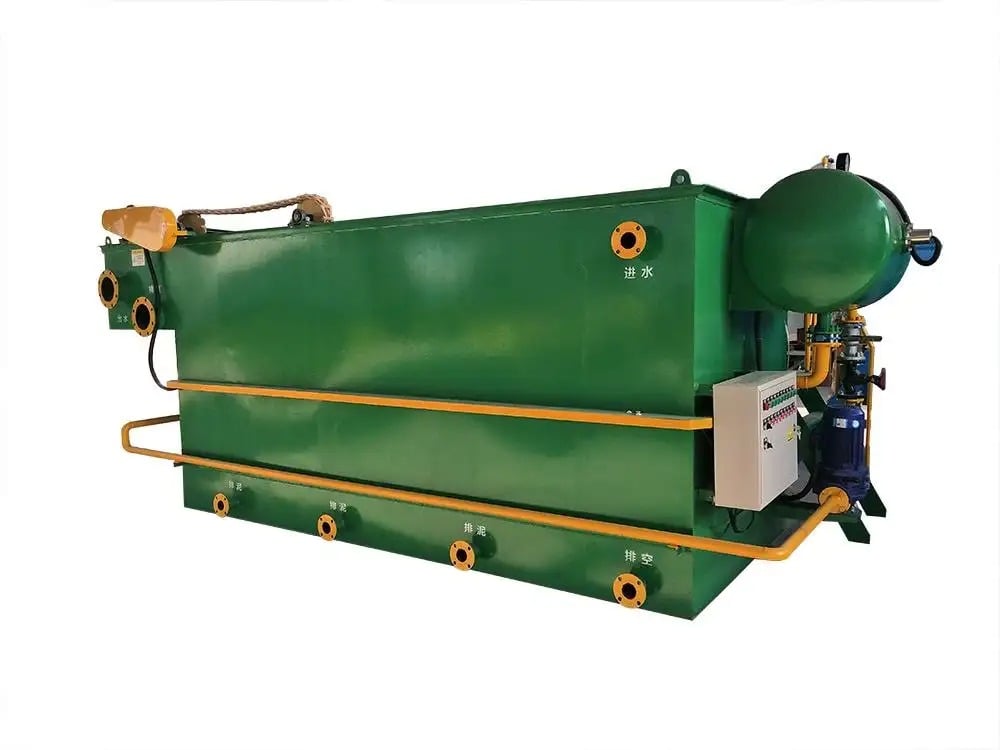
Selecting the right dissolved air flotation manufacturer is one of the most critical decisions your facility will make for wastewater treatment. The quality of your equipment directly impacts treatment efficiency, operational costs, regulatory compliance, and long-term facility reliability. A poor choice can result in inadequate separation performance, frequent maintenance issues, and potentially costly downtime. This guide walks you through the essential verification steps that every buyer should complete before committing to a manufacturer partnership.
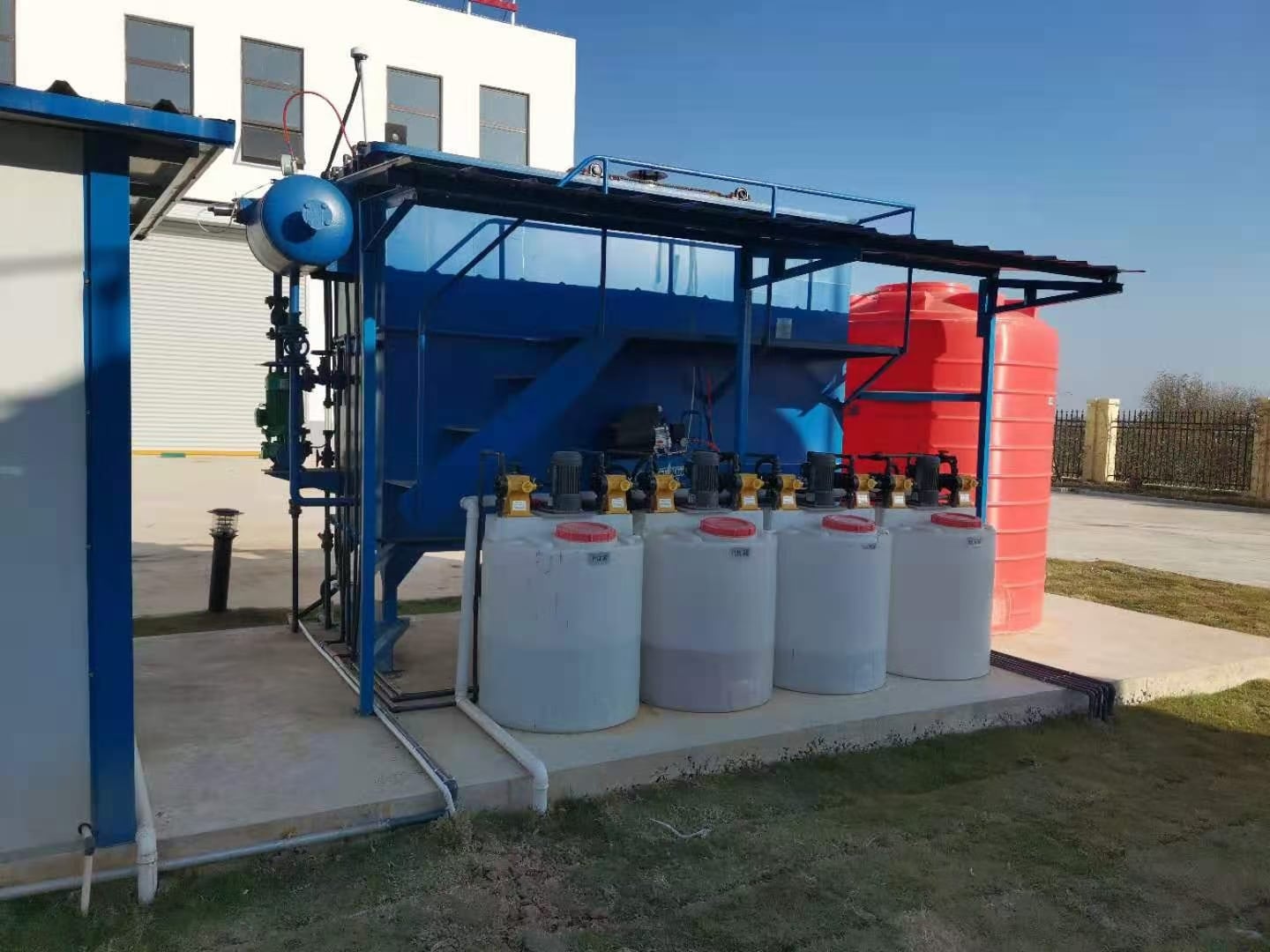
Before you evaluate pricing or sign a contract, you need to understand what technical capabilities distinguish reliable manufacturers from average suppliers. The DAF industry includes producers with vastly different engineering standards, quality control practices, and customer support capabilities. Knowing which verification steps matter most will help you avoid costly mistakes and secure equipment that delivers consistent performance throughout its operational lifespan.
Verify Technical Specifications and DAF Design Standards
Confirm Core Performance Parameters
When assessing any DAF manufacturer, start by requesting detailed technical documentation for their flotation cells. The specifications should clearly state hydraulic retention time, surface loading rate, air-to-solids ratio, and separation efficiency under various feed conditions. A reputable manufacturer will provide independent test data demonstrating how their DAF units perform with your specific wastewater characteristics. Ask for pilot testing results or full-scale performance documentation from similar industrial applications. The manufacturer should be willing to conduct bench-scale testing with samples of your wastewater to predict realistic separation outcomes.
Review System Design Flexibility
Different facilities have unique wastewater compositions, flow rates, and treatment goals. A quality DAF manufacturer should demonstrate design flexibility and the ability to customize systems for your specific needs. Review their portfolio of completed installations across various industries to confirm they have experience solving problems similar to yours. Ask about their approach to designing pressurization systems, recycle ratios, and chemical feed optimization. The manufacturer should explain how their DAF equipment adapts to fluctuating inlet conditions and varying solids loads without sacrificing treatment performance.
Assess Testing Capabilities and Performance Validation
Evaluate In-House Testing Infrastructure
A credible manufacturer invests in robust testing capabilities to validate their DAF technology. Inquire about their testing laboratory facilities, equipment, and the types of analytical tests they perform on pilot and production units. They should conduct hydraulic modeling, mixing efficiency testing, and separation performance trials before units leave the factory. Ask about their quality assurance protocols and whether they maintain test documentation for each system they produce. Some manufacturers perform third-party testing through independent laboratories, which adds another layer of credibility to their performance claims.
Request Performance Data and Case References
Every manufacturer should be able to provide performance data from completed DAF installations operating in real-world conditions. Request case studies, performance reports, and contact information for existing customers running similar systems. When you contact references, ask about actual separation efficiency achieved, maintenance requirements, chemical consumption rates, and overall operational reliability. Manufacturers confident in their product quality will enthusiastically share performance data and encourage you to speak directly with operating facilities. Be cautious of any manufacturer reluctant to provide testing results or customer references.
Verify Controls, Monitoring, and System Integration
Examine Control System Architecture and Reliability
Modern DAF systems depend heavily on robust process controls to maintain consistent treatment performance. Ask the manufacturer about their control system architecture, automation capabilities, and integration with existing facility infrastructure. The controls should monitor key parameters including pressurization rate, recycle flow, chemical feed rates, and separation efficiency indicators. Verify that the manufacturer's control systems include redundancy features, alarm functions, and fail-safe logic to protect against equipment upset or process deviation. Ask about their experience integrating with SCADA systems and whether they provide real-time data monitoring and remote troubleshooting capabilities.
Confirm Support for Operational Optimization
Controls systems are only effective when the manufacturer provides ongoing support for parameter optimization and troubleshooting. Determine whether the manufacturer offers operator training, technical support hotlines, and field service assistance for commissioning and startup. Ask about their response time for technical issues and whether spare parts inventory is maintained domestically or sourced from overseas suppliers. A responsible manufacturer will help you establish baseline performance metrics during startup and provide guidance for optimizing chemical dosing and operating parameters as seasonal wastewater characteristics change. This level of support directly impacts how effectively your facility can operate the DAF system.
Verify Manufacturing Quality and Supply Chain Reliability
Inspect Manufacturing Facilities and Quality Control
Request an opportunity to visit the manufacturer's production facility or arrange a video tour of their fabrication and assembly operations. Observe their welding standards, material handling practices, and quality inspection procedures. Ask about material certifications for tanks and pressure vessels, corrosion resistance ratings for contact materials, and how they ensure structural integrity and dimensional accuracy. The manufacturer should demonstrate organized quality control checkpoints throughout fabrication and assembly. They should provide documentation of hydrostatic testing, visual inspections, and pressure vessel certification for systems that operate under pressure.
Assess Component Sourcing and Supply Chain Stability
DAF equipment relies on critical components including pumps, compressors, separation chambers, and control instrumentation. Ask the manufacturer about their component sourcing strategy and whether they maintain strategic inventory of critical replacement parts. Determine whether key components are sourced from single suppliers or multiple sources to mitigate supply chain disruption risk. A resilient manufacturer will have established relationships with multiple qualified suppliers and the ability to source alternative components without compromising system performance. Understanding their supply chain vulnerabilities helps you anticipate potential delays and plan maintenance more effectively.
FAQ
What is the most important factor when selecting a dissolved air flotation manufacturer?
The most important factor is verified performance capability for your specific wastewater type and operating conditions. Any manufacturer selection should begin with independent testing data or pilot trials demonstrating how their DAF system achieves separation efficiency under your exact inlet conditions. This trumps pricing, delivery speed, or brand reputation because poor treatment performance undermines every other operational consideration.
How much emphasis should be placed on testing and controls capabilities?
Testing and controls capabilities should receive substantial emphasis because they directly determine whether a manufacturer can deliver consistent performance and support long-term operational optimization. A manufacturer with robust testing infrastructure and reliable controls systems demonstrates commitment to quality assurance and customer success. These capabilities significantly impact total cost of ownership, treatment reliability, and your facility's ability to maintain regulatory compliance over the equipment lifecycle.
What questions should I ask manufacturer references?
Ask references about actual separation efficiency achieved versus manufacturer projections, maintenance requirements and downtime history, chemical and energy consumption rates versus budgeted costs, and overall satisfaction with technical support and spare parts availability. Also inquire about whether the DAF system has successfully handled seasonal flow and load variations, how quickly the manufacturer responds to technical issues, and whether they would select the same manufacturer again for future installations.

 EN