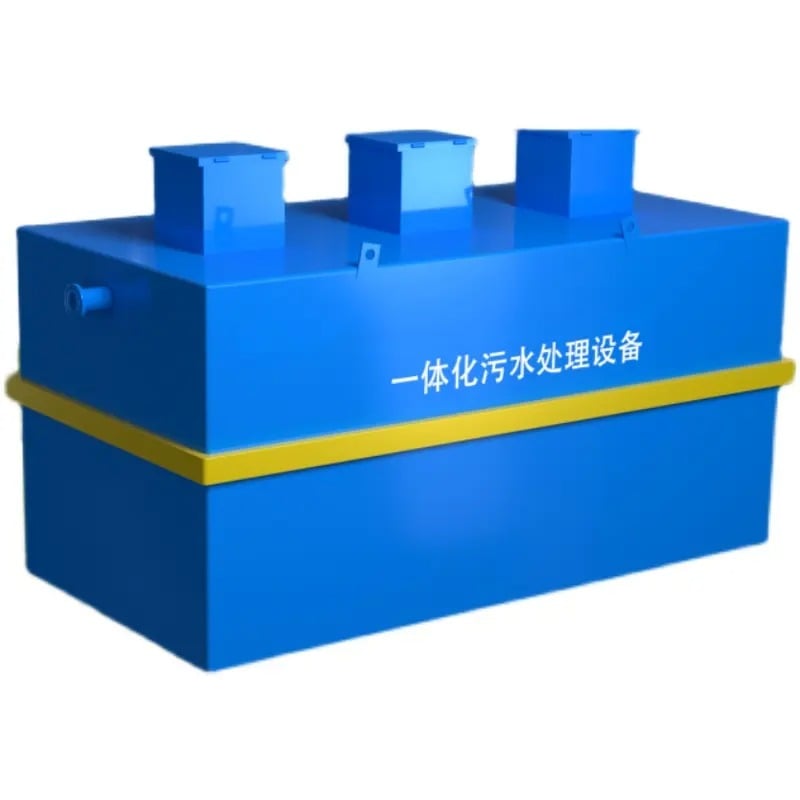
Dairy wastewater management represents one of the most demanding operational challenges in food processing industries. The primary difficulty lies in the highly unpredictable nature of daily load variation, which creates significant strain on treatment infrastructure. Unlike municipal wastewater that follows relatively stable residential patterns, dairy wastewater exhibits dramatic fluctuations in volume, pollutant concentration, and composition throughout each day, making consistent treatment outcomes exceptionally difficult to achieve.
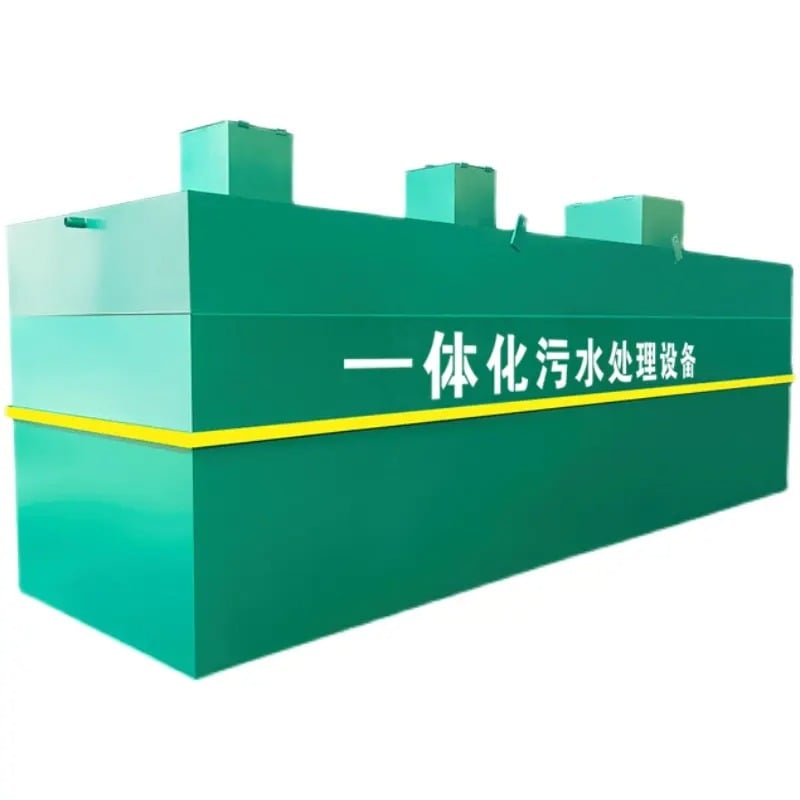
The operational challenges stem from multiple interconnected factors that make dairy processing inherently variable. Each facility operates according to unique production schedules, milk intake times, and processing sequences. Cleaning cycles, sanitization routines, and equipment maintenance all introduce sudden surges of concentrated effluent into the treatment system. Understanding these underlying causes is essential for designing resilient wastewater treatment solutions that can handle the extreme swings in both flow and pollutant loading.
Daily Load Variation and Operational Complexity
Understanding Load Variation Patterns
Load variation in dairy wastewater occurs at multiple timescales, from hourly spikes to weekly cycles. Morning hours typically bring high-volume discharges when milk is first received and initial processing begins. Midday operations may show different patterns depending on whether the facility runs continuous production or batch processes. Evening cleaning and sanitization protocols introduce concentrated waste streams that spike biochemical oxygen demand and organic matter levels. These predictable cycles compound with unpredictable events such as equipment failures, seasonal production changes, and market-driven production volume adjustments.
Why Traditional Treatment Approaches Struggle
Conventional wastewater treatment plants are designed around average load assumptions rather than peak variation scenarios. When dairy load variation exceeds the treatment system's design parameters, effluent quality deteriorates rapidly. Biological reactors cannot acclimate fast enough to massive COD swings, leading to incomplete degradation of organic matter. Settling tanks become overloaded during peak flows, causing solids carryover and reduced treatment efficiency. The operation becomes reactive rather than proactive, with staff constantly struggling to maintain compliance as influent conditions shift dramatically.
COD Fluctuations and Treatment Plant Impact
Why COD Variation Defines Dairy Wastewater Difficulty
Chemical oxygen demand, or COD, is the primary measure of organic pollutant concentration in dairy wastewater. Typical dairy COD concentrations range from 500 to 2,500 milligrams per liter, but this average masks extreme daily variation. Morning milk intake can produce concentrated streams exceeding 3,000 to 5,000 mg/L COD. Cheese-making facilities generate even higher peaks, sometimes reaching 8,000 to 10,000 mg/L during whey processing. This extreme COD range forces treatment systems to operate far outside their optimal design envelope, reducing biological treatment efficiency and increasing operational costs.
Biological Treatment Challenges Under COD Stress
Activated sludge systems rely on stable microbial communities to convert organic matter into biomass and inert compounds. When COD loading spikes suddenly, the biosolids cannot maintain adequate metabolic activity across the entire treatment volume. Overloaded zones develop anaerobic conditions leading to odor generation and foaming. Underloaded zones experience starvation, causing biomass washout and reduced biological activity. The microorganisms simply cannot adapt quickly enough to the dramatic swings, resulting in poor COD removal and increasing the risk of effluent standard violations. Managing operation becomes a constant balancing act between these conflicting scenarios.
Operational and Regulatory Implications
Compliance Risks and Treatment Variability
Regulatory agencies require consistent effluent quality regardless of influent variation, placing dairy facilities in a precarious position. When daily load variation creates unmanageable peaks, treatment plants frequently exceed permitted discharge limits for BOD, TSS, and nutrient parameters. Each excursion increases regulatory scrutiny and can result in significant penalties. Repeated violations may trigger mandatory process improvements or facility upgrades. The compliance burden intensifies when the facility lacks storage capacity or load equalization systems to buffer peak flows. Operation during high-production periods becomes increasingly risky without adequate treatment redundancy.
Cost and Resource Pressures
Managing severe dairy load variation requires either oversizing the entire treatment plant to handle peak conditions or implementing sophisticated load equalization and pretreatment systems. Oversizing plants means paying for significant capital and operational capacity that sits idle during low-production periods, directly reducing financial returns. Conversely, undersized facilities handling variation through emergency measures incur elevated chemical costs, increased energy consumption, and higher staffing demands. Operation during peak load variation periods often requires 24/7 monitoring, frequent process adjustments, and rapid response capabilities. These competing pressures force difficult trade-offs between capital expenditure, operating costs, and regulatory compliance.
FAQ
Why does dairy wastewater present more load variation than municipal wastewater?
Municipal wastewater follows predictable residential consumption patterns, whereas dairy facilities operate production schedules that concentrate high volumes into specific windows. Milk processing involves receiving finished product from tanker trucks, then immediately beginning processing steps that generate concentrated discharges. Cleaning protocols introduce chemical-rich solutions all at once rather than being spread throughout the day. Cheese and yogurt production runs create episodic pulses of whey and byproduct streams. This batch-like industrial operation creates far more extreme load variation than the smoothed, distributed flows from residential users.
How does COD variation specifically impact biological treatment operation?
Activated sludge microorganisms have limited ability to rapidly shift their metabolic rates in response to sudden COD surges. When influent COD spikes, some zone of the reactor becomes overloaded and anaerobic, while other zones become starved for food. This creates simultaneous conditions of stress and starvation that are inherently difficult to manage. The sludge retention time and food-to-microorganism ratio become mismatched with the influent profile, causing washout of active biomass during high peaks. The treatment system cannot simultaneously optimize for both peak and average conditions, forcing operators to choose a compromise that performs poorly under actual variable dairy load conditions.
What operational approaches help manage daily dairy load variation?
Equalization tanks and flow buffering systems reduce the impact of sudden peaks by spreading influent across several hours, smoothing the load variation that reaches downstream treatment stages. Pretreatment technologies such as dissolved air flotation remove settleable solids before biological treatment, reducing the organic burden. Load-adaptive control systems adjust aeration, mixing, and chemical addition rates based on real-time feed conditions. Modular, highly integrated treatment systems that combine screening, flotation, biological treatment, and solids handling in a single optimized platform can handle operation across a wider range of dairy load variation scenarios. These integrated approaches are specifically designed to address the unique challenges of dairy wastewater management.

 EN