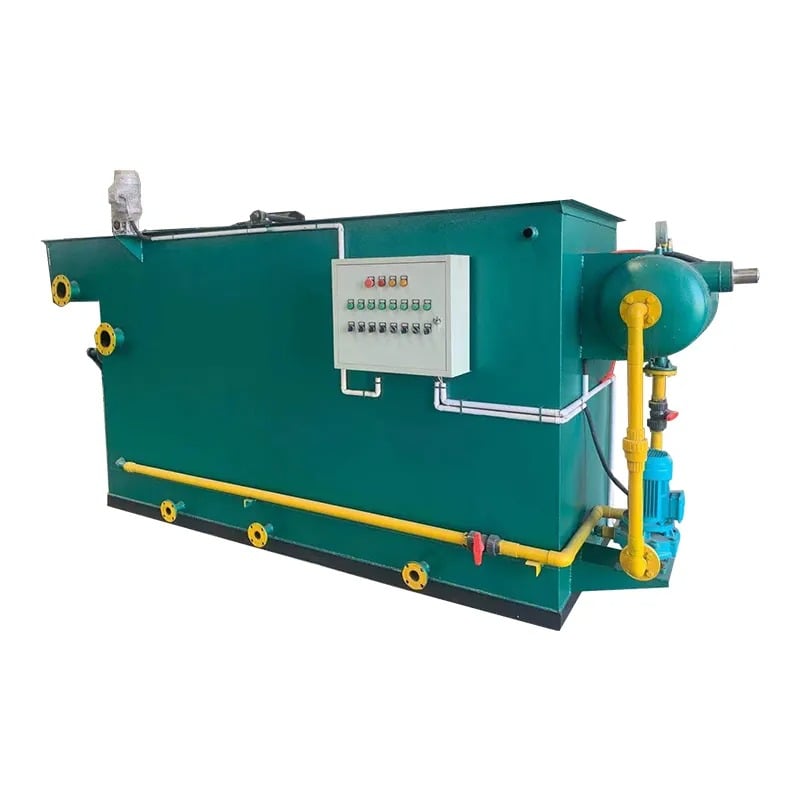
Dissolved air flotation, commonly known as DAF water treatment, is a critical process in industrial wastewater management that separates suspended solids, oils, and contaminants from water. However, unstable flotation in DAF water treatment systems can lead to poor separation efficiency, reduced throughput, and increased operating costs. Understanding the feed conditions that cause flotation instability is essential for maintaining consistent performance and preventing costly downtime in treatment operations.
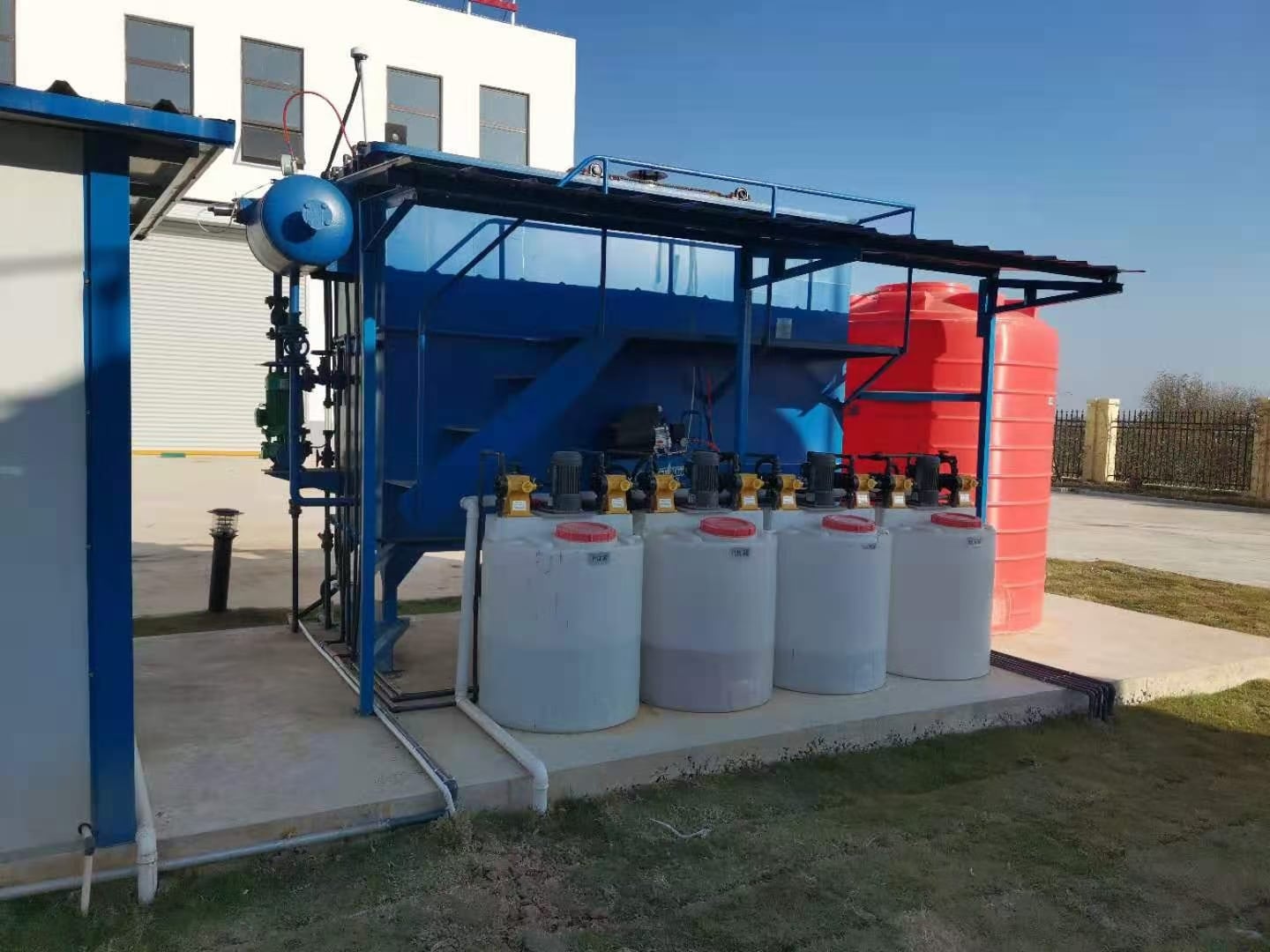
DAF systems depend on precise balance between feed characteristics, chemical dosing, and air injection to function optimally. When feed variation occurs unexpectedly or when operational parameters drift, flotation stability deteriorates rapidly. This article explores the primary feed conditions that compromise flotation performance, including feed variation patterns, coagulant inconsistencies, air recycle pressures, and solids concentration fluctuations. By identifying these destabilizing factors, operators can implement corrective measures before performance degradation becomes problematic.
Understanding Feed Variation and Flotation Instability
Impact of Incoming Water Quality Changes
Feed variation is one of the most significant causes of unstable flotation in DAF water treatment systems. When upstream processes discharge inconsistent water compositions, pH levels, or pollutant concentrations, the daf water treatment system cannot maintain stable bubble-solid attachment and separation performance. Industrial sources such as cooling towers, process lines, and washdown stations often produce highly variable feed, requiring real-time monitoring and adaptive chemical response.
When feed variation creates sudden spikes in oil content, grease concentration, or suspended solids levels, the treatment process becomes overwhelmed. Flotation bubbles may not bind effectively to particles, or excessive solid loading can cause the contact zone to collapse. Temperature fluctuations within feed variation also affect surface tension and bubble stability, making consistent separation geometry difficult to maintain. Operators must establish baseline feed quality expectations and implement early warning systems to detect deviation patterns before they compromise system output.
Particle Size Distribution and Bubble Interaction
Feed variation often introduces inconsistent particle size distributions that affect how effectively solids interact with flotation bubbles. When incoming particles are too fine, they may pass through the system without attaching to air bubbles, reducing solids removal efficiency. Conversely, when particle sizes become too coarse due to feed variation, larger aggregates may not maintain stable contact with the bubble surface throughout the separation zone. This mismatch between particle size and bubble size creates flotation instability that manifests as poor clarification and high overflow turbidity.
Coagulant Dosage and Chemical Balance
How Coagulant Inconsistency Affects Flotation
Coagulant selection and dosage are fundamental to successful DAF water treatment performance, yet many systems experience instability due to improper chemical balance. When coagulant is under-dosed, particles remain dispersed and do not aggregate sufficiently to form flocs large enough to attach to flotation bubbles. When over-dosed, excessive coagulant can create overdosed floc that becomes too dense and heavy, sinking rather than rising with air recycle bubbles. Achieving the correct coagulant concentration requires continuous optimization and adjustment as feed variation introduces new challenges.
The interaction between coagulant chemistry and pH is critical for flotation stability in DAF water treatment. If pH drifts outside the optimal range for coagulant activity, precipitation may occur prematurely or incompletely, leaving colloidal particles unsettled. Different industrial feeds require different coagulant types, and switching between chemistries without proper transition periods can create flotation instability. Operators must monitor coagulant residual, verify injection pump calibration, and maintain chemical storage conditions to prevent performance degradation. Feed variation often necessitates real-time coagulant adjustments using automatic dosing systems that respond to changes in incoming water characteristics.
Floc Formation and Bubble Attachment Efficiency
Quality floc formation directly determines how well solids will attach to air recycle bubbles in the flotation contact zone. When coagulant chemistry is poorly optimized, floc particles may form with weak internal structure or poor surface characteristics that do not allow effective bubble adhesion. The size and density of floc aggregates must align with the bubble population to ensure maximum collision and attachment rates. If floc particles are too small despite adequate coagulant dosage, additional polymeric flocculants may be required to bridge particles and enhance bubble attachment efficiency in DAF water treatment systems.
Air Recycle System Parameters and Solids Handling
Air Recycle Pressure and Bubble Generation
The air recycle system in DAF water treatment operates by pressurizing recycled clarified effluent with compressed air, then releasing the pressure through injection ports to generate fine bubbles that attach to solids. When air recycle pressure drops below design specifications, bubble size increases and bubble population decreases, reducing the contact surface area available for particle attachment. Feed variation can cause excessive solids loading that clogs bubble diffusers, reducing effective air recycle efficiency and creating flotation instability. Operators must maintain consistent air recycle pressure within the design range and monitor differential pressure across injection ports to detect blockages before flotation performance degrades significantly.
Insufficient air recycle pressure may result from compressor wear, leaks in the pressurization line, or saturation column fouling. When pressure falls, the system cannot generate the bubble flow necessary to transport suspended solids to the surface, causing flotation instability and reduced throughput. Conversely, excessive air recycle pressure can cause bubble coalescence, reducing the effective bubble population and wasting energy. The correct air recycle rate must be carefully calibrated to the specific feed characteristics and solids loading anticipated in the DAF water treatment operation. Regular maintenance of air delivery systems, pressure gauges, and injection nozzles is essential for maintaining stable flotation performance.
Solids Handling and Sludge Blanket Management
Solids accumulation at the surface of the DAF water treatment tank forms a sludge blanket that must be managed carefully to prevent flotation instability. When solids loading from feed variation exceeds the scraper removal rate, the blanket becomes excessively thick and can trap fine bubbles before they reach the surface. This creates a dense, waterlogged solids layer that sinks back into the clarification zone, re-suspending settled particles and compromising effluent quality. The blanket depth must be maintained within design limits through consistent skimming and removal. If solids concentrations in the feed increase unexpectedly, operators must increase blanket removal frequency or adjust the scraper speed to prevent blanket buildup that causes flotation instability.
Inadequate sludge blanket management also allows short-circuiting, where untreated feed bypasses the contact zone and exits as effluent without proper treatment. When solids accumulate excessively, upward velocity through the blanket increases, reducing contact time and bubble-particle interaction efficiency. Conversely, when the blanket is removed too aggressively, valuable settling area is lost and fine solids escape in overflow. Balancing blanket thickness with solids removal requirements is essential for maintaining consistent DAF water treatment performance, especially when feed variation introduces unpredictable solids loading patterns. Monitoring blanket density, depth sensors, and overflow turbidity helps operators adjust blanket management strategies in real time.
FAQ
What happens when feed variation exceeds DAF system design capacity?
When feed variation introduces pollutant concentrations or solids loading beyond the system design capacity, flotation stability cannot be maintained regardless of operational adjustments. Overflow turbidity increases, bubble contact zone efficiency drops, and the system enters bypass mode where untreated water exits without proper separation. Operators must either reduce feed flow, implement upstream pre-treatment to stabilize feed characteristics, or upgrade to larger DAF water treatment equipment. Planning for anticipated feed variation through adequate design safety margins prevents emergency conditions and ensures reliable long-term performance.
How does coagulant interact with air recycle systems in DAF water treatment?
Coagulant creates floc particles that must have the correct density and size to attach effectively to air recycle bubbles. If floc is too dense, it sinks before bubbles can capture it; if too light and fluffy, it may not have enough mass to overcome bubble buoyancy and rise effectively. The bubble population generated by air recycle pressure must be sufficient to contact all available floc particles in the settling zone. Optimizing both coagulant chemistry and air recycle parameters together is essential for achieving stable flotation in DAF water treatment systems handling variable feed sources.
When should operators adjust DAF parameters during feed variation events?
Operators should implement automated monitoring systems that detect feed variation patterns and trigger pre-programmed parameter adjustments before flotation instability becomes visible in effluent quality. Real-time measurement of incoming water pH, oil content, and solids concentration allows rapid response through coagulant dosing adjustments and air recycle pressure modification. When manual response is necessary, monitoring overflow turbidity, blanket depth, and clarification zone clarity provides guidance for corrective actions. Establishing clear response protocols and operator training ensures that feed variation is managed proactively rather than reactively, maintaining consistent DAF water treatment performance.

 EN