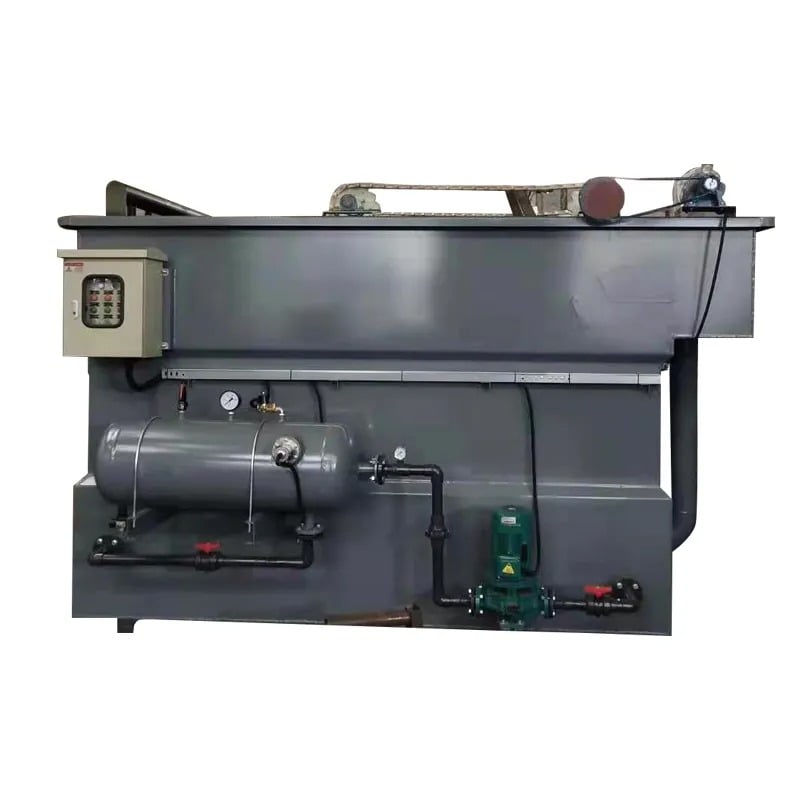
The daf water treatment process represents one of the most effective and widely adopted technologies for treating industrial wastewater across multiple sectors. DAF, or Dissolved Air Flotation, uses compressed air bubbles to separate solids, oils, and other suspended particles from water with remarkable efficiency. Industrial buyers evaluating wastewater solutions must understand how DAF operates, why it delivers superior results compared to traditional settling methods, and how to integrate this technology into their existing treatment infrastructure. This guide breaks down the entire DAF process into practical, actionable insights designed for decision-makers who need reliable, cost-effective wastewater treatment.
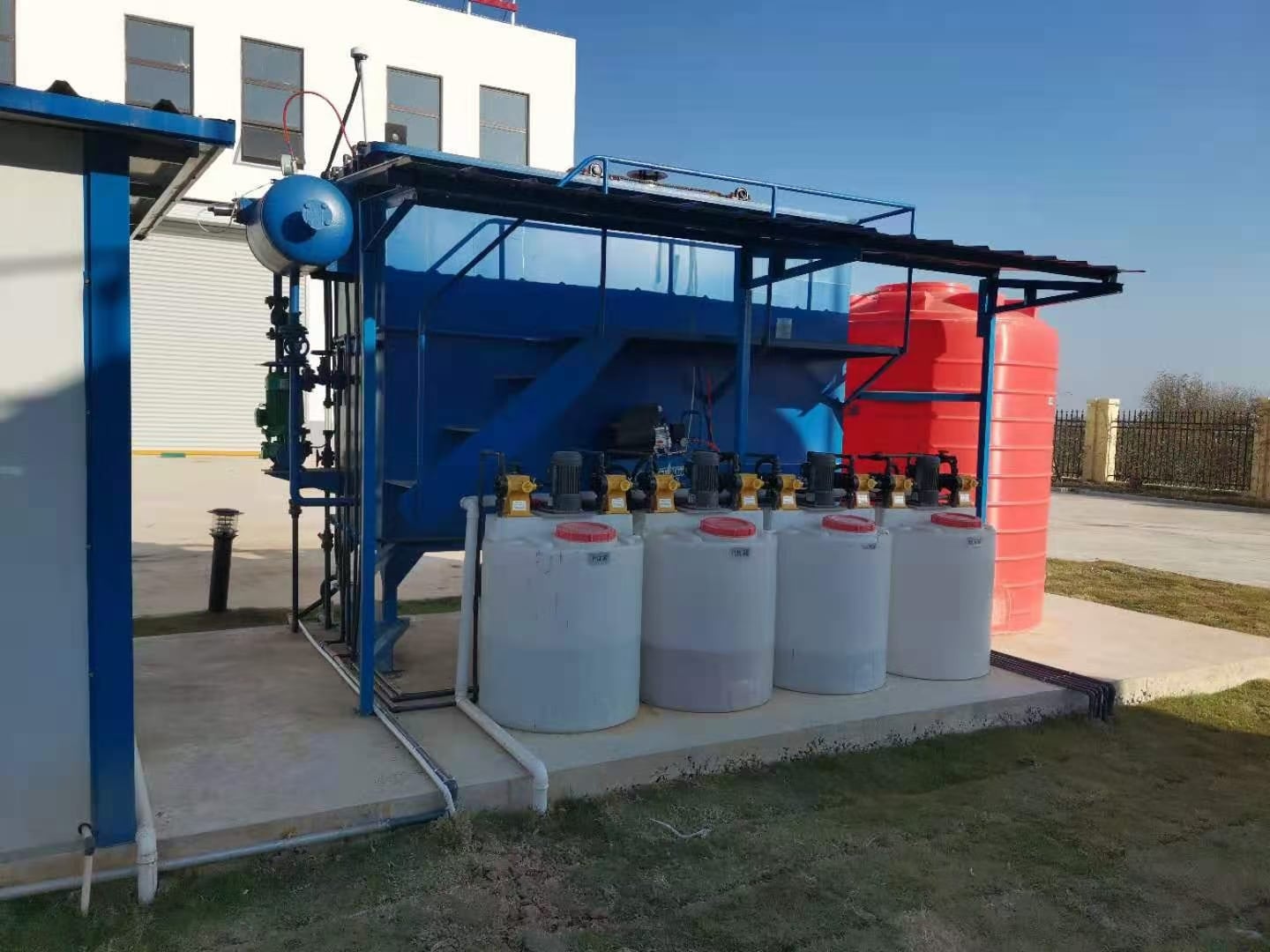
Understanding the DAF mechanism allows industrial operations to make informed purchasing decisions and optimize treatment performance from day one. The process combines chemistry, mechanics, and physics to achieve high removal rates for oils, grease, suspended solids, and colloids. Whether your facility handles food processing wastewater, petrochemical discharge, or municipal treatment, DAF technology provides consistent results with minimal chemical usage and lower operational costs than alternative methods.
Understanding the DAF Water Treatment Process Fundamentals
The Core Mechanism Behind Dissolved Air Flotation
DAF works by introducing microscopic air bubbles into treated wastewater under pressure. These bubbles attach to suspended particles, oils, and colloids, making them less dense than water. The particles then naturally rise to the water surface where they form a concentrated sludge layer. This sludge is continuously skimmed from the top, while clarified effluent exits from the bottom of the tank. The beauty of this technology lies in its simplicity and effectiveness compared to conventional settling, which relies solely on gravity and requires much longer residence time.
Why DAF Outperforms Traditional Settling Methods
Traditional gravity settling depends on density differences and particle size to separate solids. This approach struggles with fine, colloidal particles and light oils that refuse to settle naturally. DAF overcomes these limitations by forcing separation through air bubble attachment. The process achieves removal rates exceeding 95 percent for oils and suspended solids in a fraction of the space required by conventional clarifiers. Industrial buyers appreciate that DAF requires smaller footprints while delivering faster processing speeds and higher quality treated water.
The Step-by-Step DAF Treatment Workflow
Stage One: Coagulation and Chemical Conditioning
The DAF water treatment process begins with coagulation, a critical chemical step that prepares wastewater for efficient separation. Coagulant chemicals, typically aluminum sulfate or ferric compounds, are added to the influent stream. These coagulants destabilize suspended particles by neutralizing their electrical charges, causing fine particles to collide and bind together. This aggregation creates larger, denser particles that attach more readily to air bubbles. Proper coagulation dramatically improves flotation performance, making this first stage absolutely essential for consistent results.
Stage Two: Air Saturation and Bubble Generation
Next, a portion of treated wastewater is recycled and pressurized with compressed air in a saturation vessel. This pressurized recycled water becomes saturated with dissolved air molecules. When this air-saturated water is released into the main flotation tank through a pressure-reduction valve, the sudden pressure drop causes thousands of microscopic bubbles to form. These bubbles are far smaller and more numerous than those produced by conventional air diffusers, maximizing the surface area available for particle attachment. The bubble size consistency ensures predictable performance and high removal efficiency throughout each treatment cycle.
Stage Three: Flotation and Sludge Collection
Inside the flotation tank, air bubbles attach to coagulated particles and carry them toward the surface. As the sludge layer accumulates, continuously operating scrapers push it toward collection zones. Industrial DAF systems include automated sludge removal systems that prevent sludge blanket buildup and maintain treatment efficiency. The sludge concentrated at the surface contains the bulk of removed contaminants and can be directed to dewatering equipment, while clarified effluent is drawn from the lower portion of the tank. This three-stage workflow makes the DAF water treatment process remarkably efficient and reliable for treating challenging industrial streams.
Practical Applications and Performance Considerations
Industries Benefiting From DAF Technology
Food and beverage operations rely heavily on DAF for treating oily wastewaters from meat processing, dairy operations, and cooking oil recovery. Petrochemical facilities use DAF to remove crude oils, emulsions, and refined product residues before discharge or recycling. Metalworking shops employ DAF with flotation to remove cutting oils and suspended metal fines. Municipal treatment plants increasingly adopt DAF technology to reduce sludge volumes and improve effluent clarity. Each industry benefits from the consistent removal rates and operational reliability that DAF provides compared to traditional treatment approaches.
Optimizing DAF Performance Through Coagulation and Operating Parameters
Successful DAF operation depends on proper coagulation dosing, recycle rates, and bubble generation consistency. Industrial buyers should work with treatment specialists to establish baseline coagulation requirements specific to their wastewater characteristics. The flotation tank hydraulic loading rate, typically ranging from 10 to 40 cubic meters per hour per square meter, directly affects separation efficiency. Sludge removal frequency and recycle water pressure must be optimized for each application to maintain peak performance. Advanced DAF systems include automated chemical feed controls and monitoring instruments that adjust parameters in real time, delivering superior results with minimal operator intervention and reducing long-term treatment costs for industrial facilities.
FAQ
What contaminants does a DAF water treatment process remove most effectively?
DAF excels at removing oils, grease, suspended solids, colloids, and light biological solids from wastewater. The process is particularly effective for treating wastewaters with high oil content or fine particles that resist gravity settling. Industrial buyers should note that coagulation makes DAF highly versatile, allowing removal of diverse pollutants by adjusting chemical dosing and operating parameters to match specific wastewater composition.
How does the sludge generated during flotation compare to other treatment methods?
The sludge produced by DAF is more concentrated than sludge from conventional settling because the flotation mechanism actively concentrates particles rather than waiting for gravity to separate them slowly. This concentrated sludge requires less dewatering equipment capacity and produces smaller final solids volumes. Industrial facilities appreciate reduced disposal costs and higher recovery rates for recyclable materials like oils and metals extracted from the sludge through further processing.
What maintenance requirements must industrial buyers consider before purchasing a DAF system?
DAF systems require regular maintenance of air compressors, pressure vessels, and chemical feed equipment to ensure consistent performance. Flotation tank internals, including scrapers and skimmers, need periodic inspection and adjustment. The good news is that modern automated DAF units require significantly less hands-on maintenance than older manual systems. Industrial buyers should budget for routine preventive maintenance and keep replacement parts readily available to minimize downtime and maintain high treatment efficiency throughout the equipment lifespan.

 EN