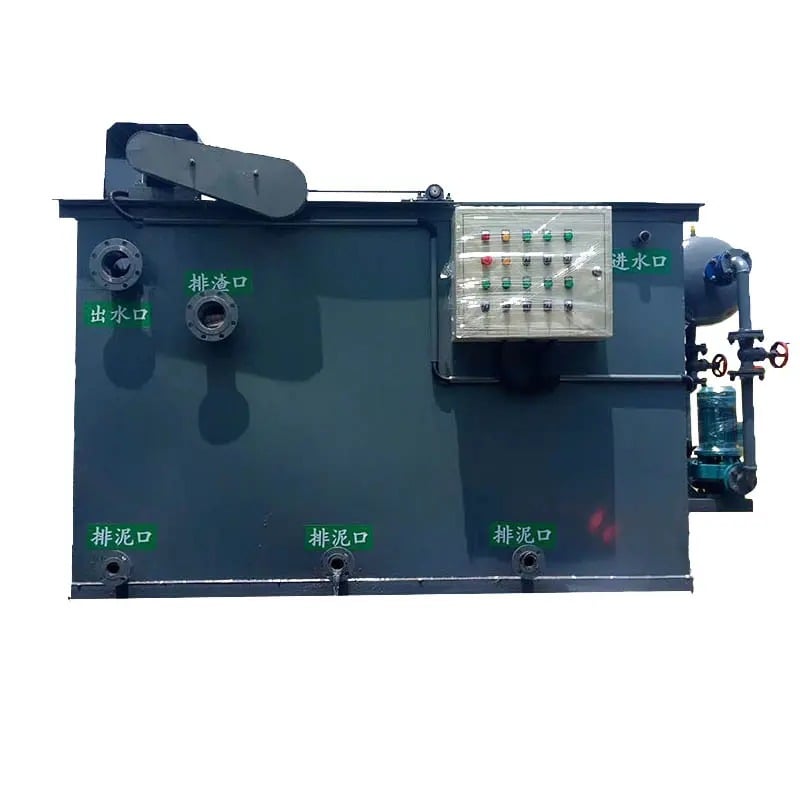
Dissolved air flotation, or DAF, represents one of the most effective solid-liquid separation technologies in industrial wastewater treatment. Yet many facility operators underestimate the importance of consistent upkeep. Without proper daf wastewater treatment maintenance protocols, separation performance degrades quickly, leading to poor effluent quality, regulatory violations, and costly downtime.
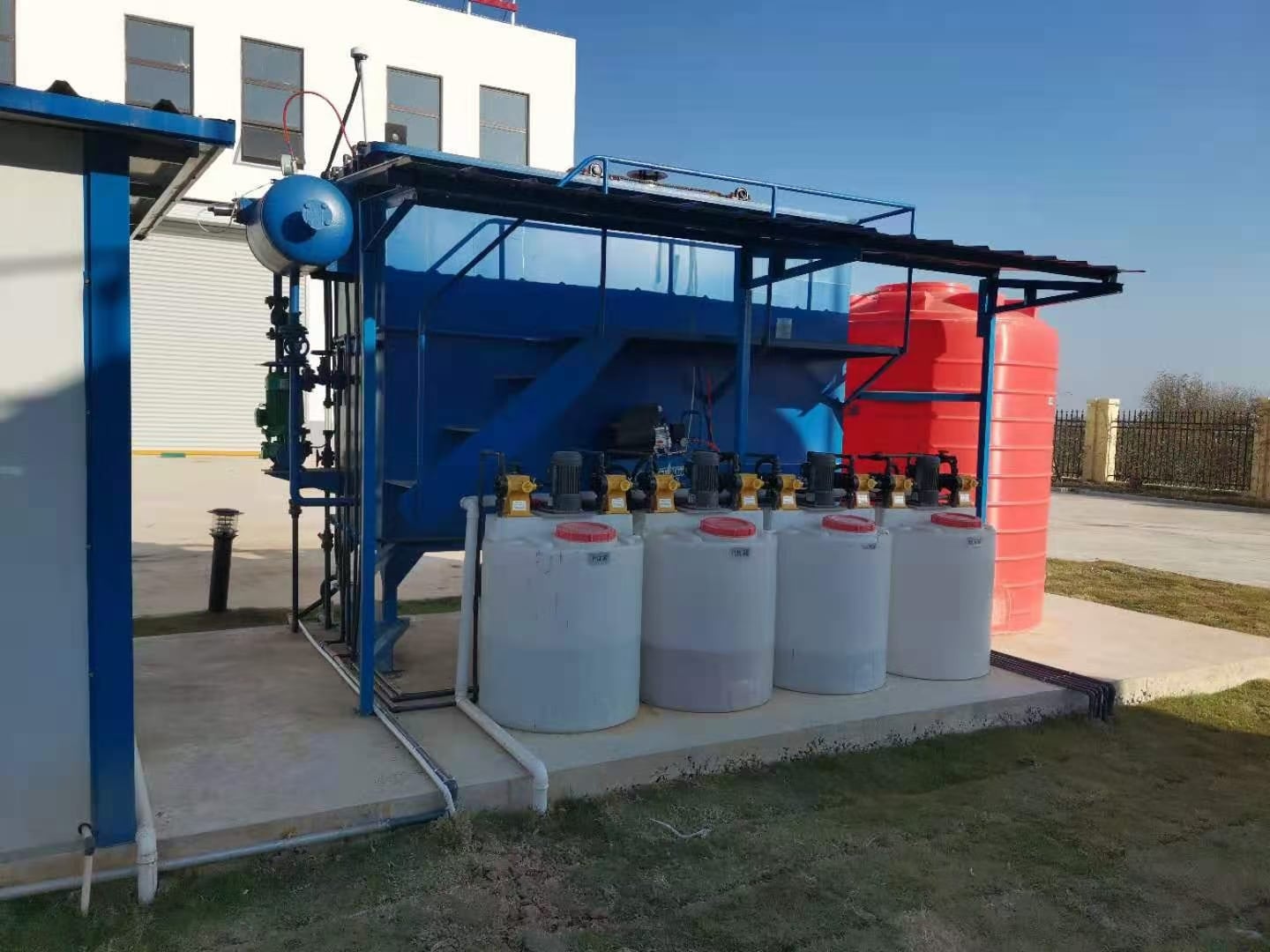
Keeping your DAF system running at peak efficiency requires a disciplined approach to maintenance. This guide walks through the core maintenance activities that preserve separation performance, extend equipment life, and maintain regulatory compliance. Understanding how each component functions and why routine care matters is essential for any wastewater management professional responsible for DAF operations.
Understanding DAF System Components and Their Role
How the Pressurization and Flotation Process Works
The DAF process relies on a pressurized saturator vessel that dissolves air into recirculated wastewater under pressure. When this pressurized water is released into the flotation tank through specially designed nozzles, microscopic air bubbles form and attach to suspended solids and oil droplets. These bubble-particle agglomerates float to the surface, where they are mechanically skimmed and removed as sludge. Understanding this fundamental mechanism helps explain why maintenance of each component directly impacts treatment performance.
Key Operational Components Requiring Regular Attention
The saturator, nozzles, and sludge removal system work in concert to achieve reliable separation. The saturator dissolves air efficiently only when operating at the correct pressure and flow rate. The nozzles distribute pressurized liquid uniformly across the flotation tank to ensure consistent bubble formation. The sludge collection and removal system must function continuously to prevent settled material from re-suspending and degrading effluent clarity. Each component requires specific maintenance actions to sustain separation performance.
Essential Maintenance Practices for Stable Separation Performance
Saturator Care and Pressure System Management
The saturator vessel is the heart of any DAF wastewater treatment system. It maintains the precise air dissolution that creates the microscopic bubbles needed for flotation. Regular inspection of saturator internals, including the diffuser stones and internal piping, prevents clogging and air dissolution inefficiency. Monitor saturator pressure gauges weekly to ensure the system maintains design operating pressure. A drop in pressure often signals air leaks, water seals wearing out, or scale buildup inside pressure lines.
Saturator maintenance also includes periodic cleaning of the water inlet and outlet connections. Mineral deposits and biological growth can accumulate over weeks or months, reducing flow capacity and increasing pressure drop across the vessel. In facilities treating high-iron or high-hardness wastewater, saturator scaling becomes more aggressive. Implement a quarterly internal inspection and cleaning schedule for saturators in challenging wastewater streams. This proactive saturator care preserves the air dissolution efficiency that underpins the entire DAF process.
Nozzle Inspection, Cleaning, and Replacement
The nozzles are precision devices that control bubble size and distribution throughout the flotation tank. Even minor clogging or wear changes bubble characteristics and reduces separation efficiency. Inspect nozzles monthly for blockages, deposits, or visible wear. In facilities with suspended solids or chemical precipitates in recirculated flow, nozzles require more frequent attention. Some operations benefit from weekly nozzle checks during high-load periods.
Cleaning nozzles involves backflushing with clean water or compressed air to dislodge trapped particles. For stubborn deposits, a brief soak in dilute acid solution may be necessary, though this depends on material compatibility and local regulations. Replace nozzles if cleaning does not restore flow or if visible cracks or deformation appear. Worn nozzles often produce larger bubbles that float less effectively, compromising flotation tank performance. A maintenance log tracking nozzle cleaning dates and replacement helps forecast consumable needs and identify patterns that suggest upstream treatment problems.
Sludge Management and Clarification Tank Efficiency
Sludge removal from the flotation tank surface is continuous but the collected sludge must also be managed and thickened efficiently. Improperly handled sludge can re-suspend and return to the effluent, negating flotation tank benefits. Adjust skimming blade speed and position to match current sludge production rates. Sludge that sits on the water surface too long can re-disperse, and sludge moved too aggressively may break apart into fine particles that escape through the clarified effluent outlet.
The collection trough and pump delivering sludge to thickening or dewatering equipment must function reliably. Inspect collection piping for leaks and blockages during routine shutdown maintenance. Sludge that hardens or crystallizes in pipes can create persistent flow problems. Flush collection lines weekly with fresh water if your facility processes wastewater prone to sludge compaction. This maintenance habit prevents emergency shutdowns and ensures predictable sludge handling throughout your treatment process.
Monitoring, Troubleshooting, and Performance Optimization
Key Indicators and Continuous Performance Tracking
Establish a daily monitoring routine that tracks saturator pressure, effluent clarity, sludge production volume, and air-to-solids ratio. These metrics form the foundation of predictive maintenance. A sudden drop in effluent clarity often points to nozzle fouling or inadequate bubble generation. Rising sludge production without a change in inlet concentration may indicate increased air injection, which wastes energy and pushes excessive bubbles into the effluent. Document all readings and create trend graphs to visualize system health.
Predictive Maintenance and Problem Prevention
Rather than waiting for failures, adopt a proactive stance by scheduling preventive maintenance based on operational history and manufacturer recommendations. If your facility experiences seasonal changes in wastewater composition, adjust maintenance frequency accordingly. Industrial sites processing oily wastewater often see accelerated nozzle fouling during high-temperature seasons. A maintenance schedule that anticipates these variations keeps your DAF wastewater treatment system stable year-round. Include pressure line inspections, saturator internal flushing, and complete nozzle replacement as part of biannual shutdowns.
Troubleshooting Common Performance Issues
When effluent clarity deteriorates despite routine maintenance, systematically investigate each component. Start with nozzle inspection—more often than not, clogging is the culprit. If nozzles are clean but performance remains poor, check saturator pressure and air dissolution rate. Low pressure indicates compressor issues, air leaks, or failing water seals. Rising sludge blanket levels without corresponding clarity loss often means sludge removal equipment needs adjustment. Document the symptoms, maintenance actions taken, and results to build a troubleshooting database specific to your facility's equipment and wastewater characteristics.
FAQ
How often should I perform maintenance on a DAF wastewater treatment system?
Weekly monitoring of pressure gauges and nozzle visual inspection prevents most problems. Monthly internal nozzle cleaning and saturator connection inspections are standard best practice. Quarterly saturator internal flushing and sludge collection pipe inspection help maintain separation performance. During high-load seasons or when treating challenging wastewater streams, increase inspection frequency. Biannual complete preventive maintenance shutdowns with internal equipment cleaning and component replacement are recommended for most industrial operations.
What causes nozzles to clog, and how can I prevent it?
Nozzles clog due to mineral deposits, biological growth, precipitated metals, or fine particles entering the pressurized line from inadequate pre-treatment upstream. Prevention begins with optimizing upstream treatment to minimize fines and suspended solids entering the saturator feed line. Install or upgrade inlet strainers to remove larger particles. For facilities with high hardness or iron content, consider water softening or oxidation ahead of the DAF saturator. Regular backflushing of nozzles with clean water or compressed air removes early-stage deposits before they harden and cause permanent flow restriction.
How does proper sludge management improve overall DAF wastewater treatment performance?
Efficient sludge removal prevents re-suspension of solids back into the clarified effluent, which directly impacts effluent quality and regulatory compliance. When collected sludge is promptly conveyed to thickening or dewatering equipment, it does not accumulate on the flotation tank surface and create secondary turbidity. Well-maintained sludge collection systems with properly tuned skimming equipment ensure consistent removal rates that match inlet conditions. This balance optimizes clarifier residence time and bubble contact, producing the most stable separation performance and lowest operating cost per unit volume treated.

 EN