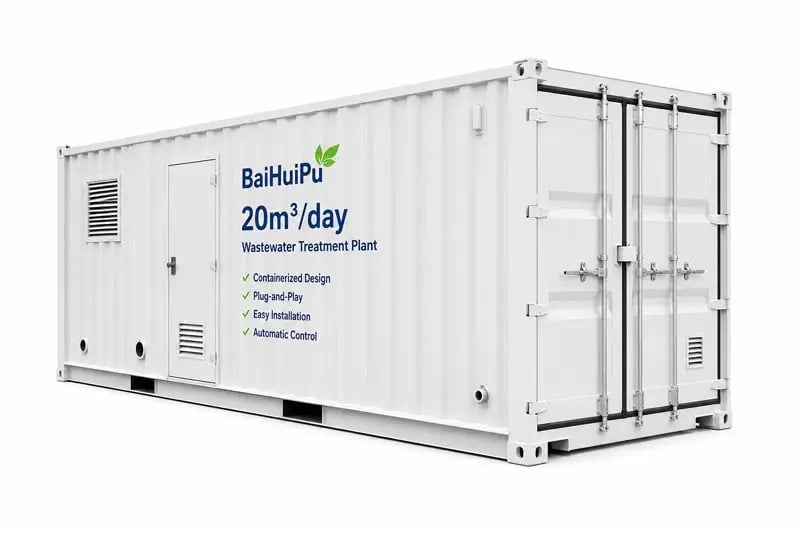
Deploying containerized wastewater treatment systems requires careful planning of utilities and connections before installation begins. Unlike traditional fixed installations, containerized units offer mobility and faster deployment, but their integration into your facility depends on proper coordination of power, water, drainage, and site layout. Understanding these planning requirements upfront prevents costly delays, system failures, and operational inefficiencies that often emerge after equipment arrives on site.
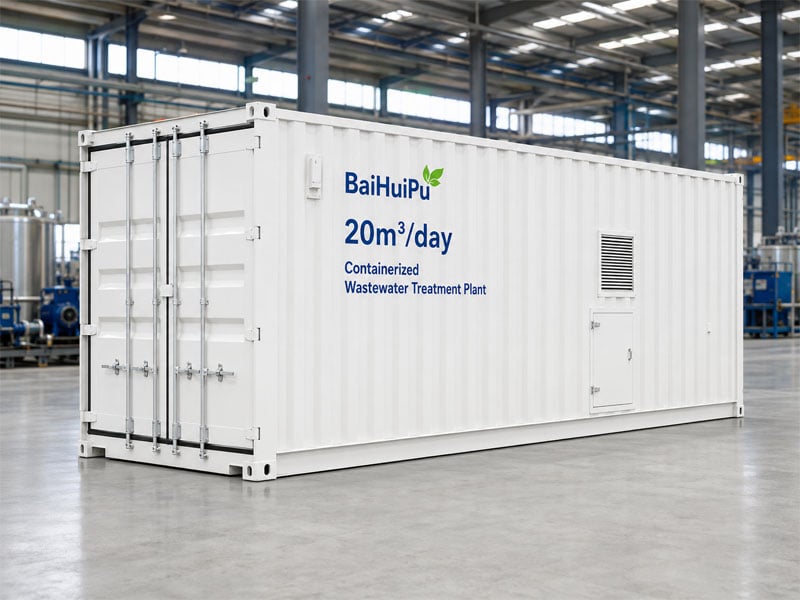
The planning process for containerized wastewater treatment utilities spans multiple disciplines: electrical design, hydraulic feasibility, civil site preparation, and regulatory compliance. Each element must align with the container's specifications and your facility's operational demands. Early engagement with equipment suppliers, utility providers, and site engineers ensures that connections are correctly sized, positioned, and compliant with local codes. This article walks through the essential planning steps that transform a containerized unit from delivery to reliable operation.
Utility Requirements and Power Planning for Containerized Units
Electrical Load Assessment and Supply Planning
Containerized wastewater treatment systems require stable electrical power for pumps, controls, aeration, and monitoring equipment. Most units operate on three-phase or single-phase power depending on treatment capacity and process type. Before site selection, obtain the equipment manufacturer's electrical specifications, including voltage, frequency, amperage, and startup current draw. Verify that your facility's main distribution panel has sufficient available capacity; many containerized systems draw 30–100 amps at full operation, with higher initial surge during startup.
Plan dedicated electrical circuits separate from general facility loads to avoid power fluctuations that can damage treatment controls. Underground conduit routing protects cables and minimizes disruption to site layout. If your facility lacks adequate utility power, investigate backup generator sizing and fuel storage requirements, particularly for remote or critical applications. Coordinate with your local utility authority early to confirm available service capacity at the containerized installation point.
Utility Infrastructure Routing and Cable Management
Containerized units require multiple utility connections routed from the container to the facility infrastructure: electrical supply, water inlet, treated effluent outlet, and sludge removal access. Plan cable trays, conduit, and hose routing to avoid high-traffic areas, machinery vibration zones, and exposure to weather extremes. Utilities must be color-coded, labeled, and documented on site plans to prevent confusion during maintenance and troubleshooting. Leave adequate clearance around the container for access panels, monitoring equipment, and routine service operations.
Water Inlet, Drainage, and Hydraulic Connections
Inlet Flow Piping and Pre-Treatment Considerations
The water inlet connection determines how wastewater reaches the containerized system and directly affects treatment efficiency and equipment longevity. Incoming wastewater must flow through properly sized piping that prevents settling, debris accumulation, and hydraulic shock. Most containerized units include intake connections sized for the design flow rate; verify this capacity matches your actual inflow volume. Install pre-treatment screening or grit removal upstream of the container inlet to remove large solids that could clog internal pumps and media.
Plan the inlet layout with gravity flow in mind whenever possible to reduce power demand and simplify operation. If gravity flow is not feasible, size the inlet pump for the maximum anticipated flow rate plus safety margin. Establish a backup or bypass inlet point in case the primary inlet becomes blocked; this redundancy prevents system shutdown during peak loading periods. Containerized wastewater treatment systems often include integral pre-treatment stages, but site-level inlet design still requires careful hydraulic modeling to ensure consistent performance.
Treated Effluent Outlet Design and Discharge Planning
The treated effluent outlet must connect to your facility's discharge point—whether that is a municipal sewer system, subsurface infiltration field, or surface water body. Size the outlet pipe for the design flow rate without exceeding velocity limits that cause erosion or noise. Most treated effluent from containerized systems meets discharge standards, but verify your local environmental regulations before finalizing the outlet connections. Plan odor control measures, such as outlet vent screening or bioscrubbers, if the container is located near occupied areas.
Containerized layouts often include treated water storage or polishing stages; ensure outlet connections accommodate any intermediate holding tanks or tertiary treatment components. If your facility reuses treated water for irrigation or cooling, add appropriate manifolds and flow control valves at the outlet to manage distribution. Inspect outlet pipe slope and support structures to prevent sagging, settling, or freeze damage in cold climates. Document outlet connection details on utility plans to guide maintenance teams and support future system modifications.
Site Layout, Access, and Sludge ManagementContainer Positioning and Access Requirements
Site layout decisions directly influence the ease and cost of utilities, connections, and ongoing operations for containerized wastewater treatment systems. Position the container on a stable, well-drained foundation with adequate clearance for utility connections on all sides. Verify that delivery access exists for the initial container transport and future replacement of components; containers typically require 20–40 feet of clear approach lane. Plan for seasonal weather impacts: in freeze-prone regions, ensure inlet and outlet pipes are insulated or buried below frost depth to prevent ice damage. In flood-prone areas, elevate the container above the 100-year flood level.
Containerized wastewater treatment units often include roof-mounted equipment or sensor cables; allow at least 4–6 feet of overhead clearance above the container for safe inspection and maintenance. Establish a secure fencing or barrier zone around the container to prevent unauthorized access and protect workers from electrical hazards or moving parts. Plan emergency response access for vacuum trucks and maintenance vehicles that service the system. Document the final container position on as-built site plans to support future upgrades, expansions, or relocation decisions.
Sludge Handling and Residual Discharge Connections
Containerized systems generate settled solids and biological sludge that must be removed regularly or continuously depending on the treatment process. Plan sludge discharge connections with adequate space for vacuum truck access or dedicated sludge pumping to an offsite dewatering facility. Size the sludge outlet pipe and pump for the anticipated solids loading and frequency of removal; improper sludge management quickly compromises container operations and treatment efficiency. Verify local regulations governing sludge storage, handling, and disposal before finalizing the site layout.
Many containerized wastewater treatment installations include integral dewatering or sludge stabilization, reducing offsite disposal volume and costs. Confirm whether your system includes these options and whether your site layout accommodates related utilities such as polymer feed lines or heating equipment. If the container is positioned indoors or under cover, ensure adequate ventilation and odor management for sludge handling areas. Document sludge discharge points and volumes on operational procedure sheets to guide facility staff and support compliance reporting.
FAQ
What is the typical electrical requirement for a containerized wastewater treatment unit?
Most containerized wastewater treatment systems require between 30 and 100 amps of three-phase or single-phase power, depending on treatment capacity and process type. Obtain exact specifications from your equipment supplier and verify your facility's main electrical panel has sufficient available capacity. Plan dedicated circuits separate from general facility loads to protect sensitive treatment controls from power fluctuations.
How do I plan the site layout for utilities and connections?
Begin by identifying the delivery access route, then position the containerized wastewater treatment unit on a stable, well-drained foundation with adequate clearance for utility connections and maintenance access. Route electrical cables, water inlet pipes, effluent outlet pipes, and sludge discharge lines to minimize exposure and interference with facility operations. Document all connections on detailed site plans and coordinate with local utility authorities and environmental agencies to confirm compliance.
What pre-treatment is needed before the inlet connection to a containerized system?
Install upstream screening or grit removal to protect the containerized wastewater treatment inlet from large solids and debris that could clog internal pumps and media. Most containers include integral pre-treatment, but site-level inlet design with gravity flow whenever possible reduces power demand and improves system resilience during peak loading periods.

 EN