Shipping a containerized effluent treatment plant internationally requires meticulous planning and thorough verification before the unit leaves your facility. A containerized treatment solution represents a significant capital investment, and any oversight during preparation can lead to costly delays, damage, or operational failures upon arrival at the destination site. This guide walks you through the critical inspection and documentation steps that ensure your containerized system arrives ready for immediate deployment.
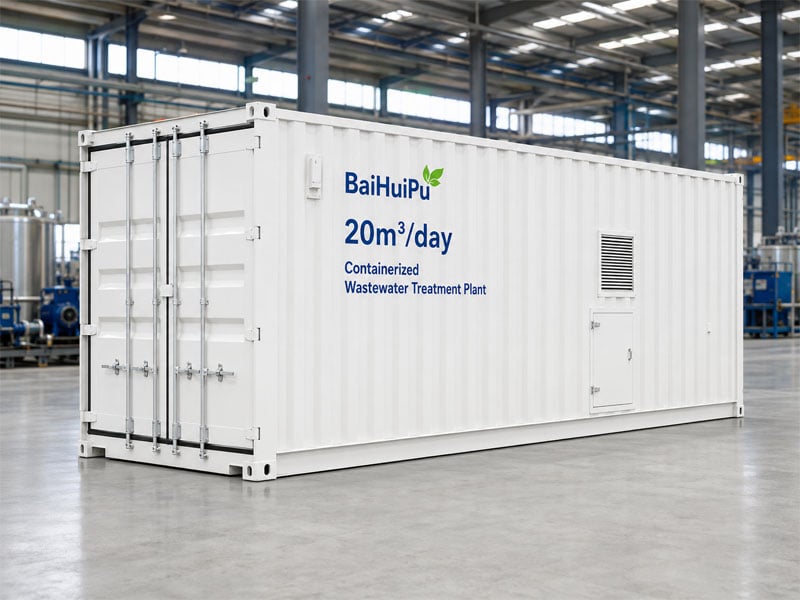
Before your containerized treatment equipment leaves the manufacturing facility, both the supplier and your receiving team must confirm that every component, connection, and system safeguard is in place. Containerized plants consolidate primary treatment, secondary treatment, filtration, and disinfection processes into a self-contained mobile unit. During the shipping process, these units experience vibration, temperature fluctuations, and potential handling stress. Proper pre-shipment verification protects your investment and prevents emergency troubleshooting after international arrival.
Structural and Physical Integrity Verification
Container Frame and Mounting Assessment
The structural foundation of any containerized system determines how well it withstands ocean transit and land transportation. Inspect the container frame for cracks, corrosion, or metal fatigue, particularly at welded joints and corner fittings where stress concentrates during shipping. Verify that all internal equipment—tanks, pumps, clarifiers, and mechanical components—is securely fastened to the frame using appropriate vibration-damping mounts. Movement during containerized transport can loosen bolts, shift pipe connections, and damage sensitive instrumentation if mounting hardware is insufficient.
Check that access doors and maintenance hatches close completely and lock properly. Confirm that external cable conduits and pipe sleeves are sealed to prevent water ingress during overseas shipping. Examine the container floor for moisture barriers and drainage provisions, since condensation and potential seawater spray can accumulate in enclosed spaces during multi-week ocean voyages. Any visible corrosion should be addressed with protective coatings before containerized loading occurs.
Pipe Connections and Valve Configuration
All pipeline connections must be pressure-tested and visually inspected before containerized systems leave the factory. Check that inlet and outlet ports are securely capped or blanked with appropriate blind flanges rated for the expected pressures during shipping. Verify that all manual isolation valves are in the closed position and tagged with operational instructions for your receiving team. Test each pipe joint with a hydrostatic or pneumatic pressure test to confirm no leaks occur under stress.
Flexible hose connections should be examined for cracks, brittleness, or previous damage that could worsen during shipping vibration. Confirm that hose clamps are tight and that stainless steel hardware is used in corrosive-potential areas. Document the exact pressure-test results and include them in your shipping documentation package so that your site commissioning team can reference baseline performance data.
Utilities Readiness and Electrical System Verification
Power Supply Configuration and Cable Integrity
Utilities requirements for containerized effluent treatment plants typically include three-phase power, water supply for backwashing or process use, and compressed air for aeration or control systems. Before shipping, verify that all electrical cables are properly insulated, rated for the voltage and amperage specified in the equipment manual, and securely routed to prevent movement during containerized transit. Check that circuit breaker panels are intact, all switches are clearly labeled, and emergency stop buttons function without sticking or resistance.
Confirm that the power supply voltage matches the specifications for your receiving country's electrical grid. Many regions operate at 380V or 415V three-phase, while North American sites typically use 480V. Verify that the containerized plant includes a transformer or motor soft-starter if voltage conversion is needed. Document the exact electrical requirements on the shipping label and in all correspondence with your site team so that receiving facilities can provision adequate power infrastructure before arrival.
Water Supply and Compressed Air System Check
Containerized treatment units rely on utilities such as water supply for process backwashing and compressed air for aeration. Before shipping, ensure that all water inlet connections are sealed and that pressure regulators are set to factory default positions. Verify that the compressed air system is drained of moisture and that the air lines are capped and protected from external damage. If the containerized system includes a reciprocating compressor or rotary screw air compressor, confirm that the oil level is appropriate and that the unit has been run-tested at no-load operation to verify basic functionality.
Create a utilities pre-shipment summary document listing the required incoming water pressure, air pressure, electrical phase and voltage, and flow rates. This document should accompany the containerized plant so that your receiving team can verify site readiness before commissioning begins.
Commissioning Readiness and Documentation Package
Factory Commissioning and Performance Baseline
A containerized effluent treatment plant should undergo factory commissioning before shipping to establish baseline performance and confirm that all systems operate as designed. This commissioning typically includes filling the primary clarifier, secondary biological reactor, and tertiary filters with clean water, running the circulation pumps, and testing the control system responses. Record the flow rates through each treatment stage, the sound levels during normal operation, and any calibration settings for sensors or chemical dosing equipment.
Video documentation of the factory commissioning run provides your site team with visual proof that the containerized system functioned correctly before shipping. This evidence is invaluable if any performance concerns arise after international arrival. Request that the factory provide a signed commissioning report that certifies all equipment operated within normal parameters and that no issues were detected during the test run.
Regulatory Compliance and Shipping Documentation
Before your containerized effluent treatment plant departs, verify that all regulatory certificates, environmental declarations, and operational manuals are included in the shipping package. Confirm that hazardous material declarations are accurate if the containerized unit contains any coatings, lubricants, or chemical residues that may be regulated during international transport. Obtain a bill of lading that clearly describes the contents, weight, and dimensions so that customs authorities at the receiving port can process the shipment without delay.
Include a detailed spare parts list with the shipment so that your site team can order replacement items before commissioning begins. Provide installation drawings, electrical schematics, process flow diagrams, and operation manuals in both digital and printed formats. A packing list should enumerate every item inside the containerized unit, including bolts, gaskets, sensors, and control system components. This documentation accelerates the post-arrival inspection and reduces the risk of missing components when your team begins unloading.
FAQ
What utilities are typically required for a containerized effluent treatment plant?
Most containerized plants require three-phase electrical power (typically 380V, 415V, or 480V depending on your region), incoming water supply for backwashing and process use, and compressed air for aeration or pneumatic controls. The exact specifications depend on the treatment capacity and technology employed. Your equipment supplier should provide a detailed utilities requirement document that lists the minimum pressure, flow rate, and voltage needed so that your receiving facility can confirm adequate infrastructure is in place before shipping delivery.
How can I verify that commissioning is complete before the containerized system ships?
Request a factory commissioning report that certifies all pumps, motors, sensors, and control systems operated without fault during a full-capacity trial run. The report should include baseline performance data such as flow rates through each treatment stage and any calibration settings. Video documentation of the factory test run provides additional verification. Ensure the supplying facility conducts a final pressure test of all pipe connections and confirms that no leaks occur under operating stress before the containerized equipment is sealed for shipping.
What documentation should accompany a containerized effluent treatment plant during overseas shipping?
The shipping package should include installation drawings, electrical schematics, detailed operation manuals, spare parts lists, a packing inventory, factory commissioning reports, hazardous material declarations if applicable, and a comprehensive utilities requirement summary. All documentation should clarify the containerized system's performance baseline and the specific conditions needed at the receiving site for successful commissioning. Digital copies and printed hard copies should both be provided so that your team has access even if electronic communications become unavailable during international transit.

 EN






