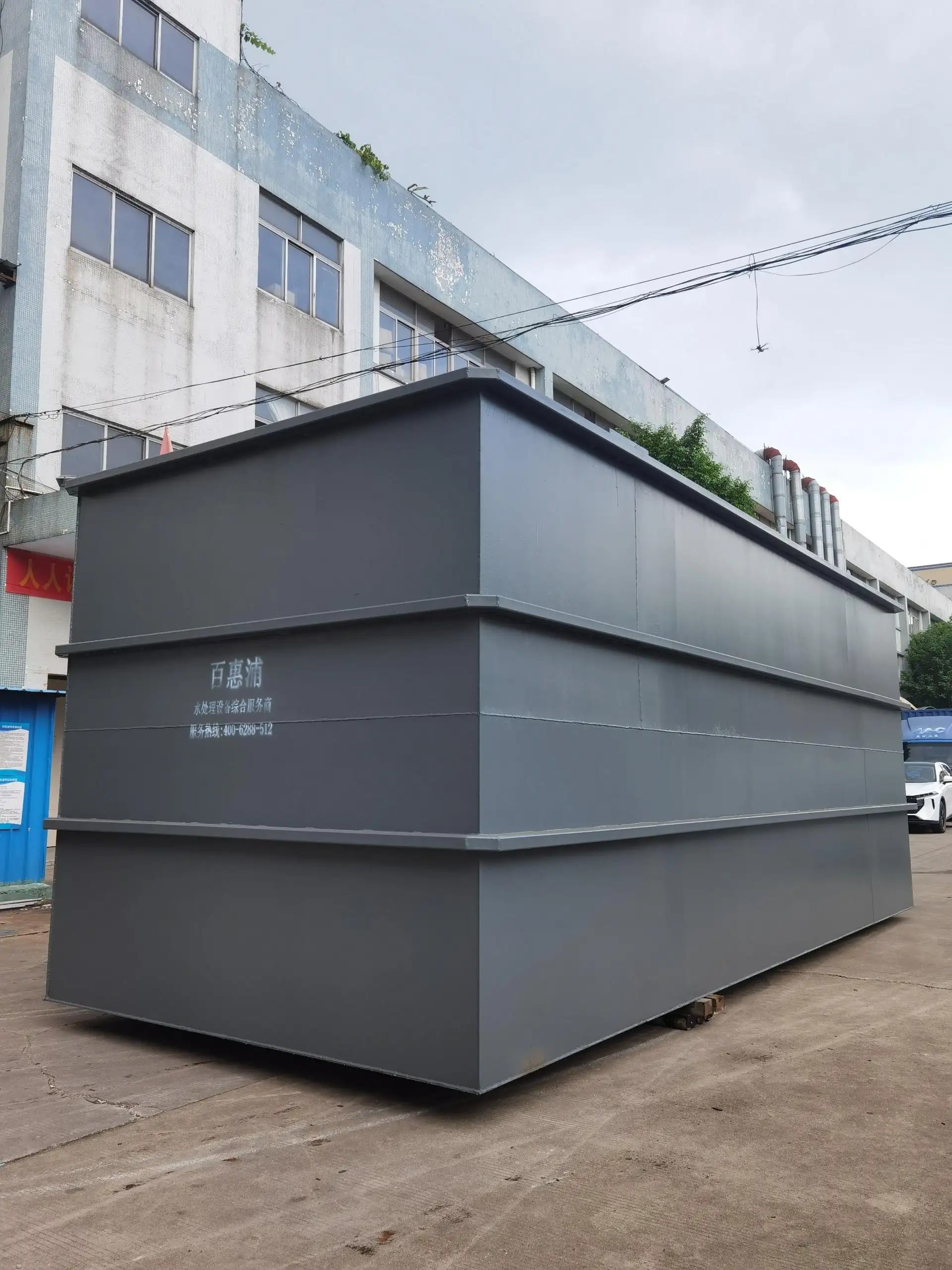
Selecting the right sewage treatment system is one of the most critical infrastructure decisions a new industrial facility must make. The choice between centralized and onsite solutions has far-reaching implications for operational costs, regulatory compliance, environmental performance, and long-term facility flexibility. Many facility planners underestimate how deeply this decision affects the entire manufacturing or processing workflow, from initial capital investment through decades of operational management.
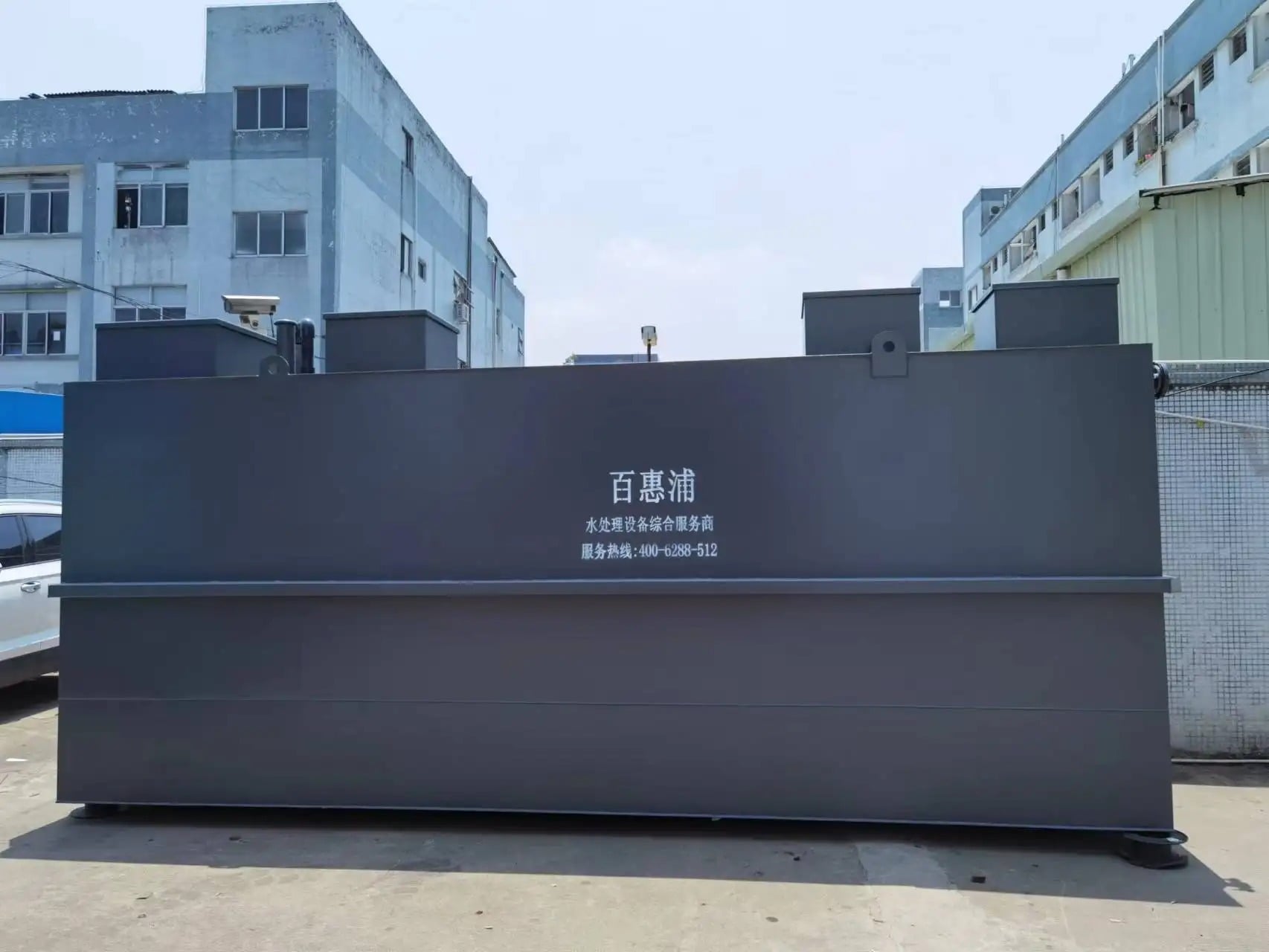
This article cuts through the complexity by examining both centralized and onsite approaches in practical terms. Rather than offering generic pros and cons, we focus on the specific industrial contexts, regulatory drivers, and financial trade-offs that determine which system truly fits your facility. Understanding these factors upfront prevents costly missteps and ensures your sewage treatment infrastructure supports rather than constrains your operations.
Centralized Sewage Systems for Industrial Facilities
How Centralized Treatment Works
A centralized sewage treatment system connects an industrial facility to a municipal or regional treatment plant through a networked pipeline infrastructure. Instead of managing wastewater onsite, the facility's discharge flows to a shared treatment hub where municipal and industrial effluent are combined and processed together. The centralized approach requires minimal equipment and expertise within the facility itself—operators focus on pretreatment, monitoring discharge quality, and maintaining pipeline connections rather than running full biological treatment trains.
For many industrial facilities located near established municipal systems, centralized infrastructure already exists. Connection fees, sewer use charges, and volumetric treatment fees become the primary financial obligations. The burden of meeting effluent standards shifts partially to the centralized plant operator, though the facility remains responsible for pretreatment compliance and discharge permits.
Centralized Advantages for Industrial Growth
Centralized sewage systems offer significant advantages for industrial facilities anticipating expansion. When production increases and wastewater volume grows, a centralized system scales without requiring facility capital investment—the municipal or regional treatment plant absorbs the increased load, provided adequate capacity exists. This flexibility appeals to industries expecting market growth or seasonal production swings. Additionally, centralized systems eliminate the need for onsite operators specialized in wastewater treatment, reducing staffing complexity and training costs that would accompany an onsite operation.
Environmental performance often improves under centralized treatment because larger regional plants deploy advanced technologies and benefit from economies of scale. Tertiary treatment, nutrient removal, and advanced pathogen elimination occur at the centralized facility rather than requiring duplication across dozens of smaller industrial sites. For facilities in water-stressed regions, this consolidated approach to environmental stewardship can align with corporate sustainability targets and regulatory pressures.
Onsite Sewage Treatment Systems for Industrial Facilities
Operational Independence and Control
An onsite sewage treatment system operates independently within the industrial facility's property boundaries. The facility generates wastewater, treats it through biological, physical, and chemical processes onsite, and discharges compliant effluent directly to surface waters, groundwater injection wells, or land application areas. This independence means the industrial facility controls treatment timing, process optimization, and compliance monitoring without depending on municipal infrastructure capacity or management decisions.
For industries with specialized wastewater characteristics—such as food processing with high organic loads, pharmaceutical manufacturing with trace contaminants, or metal finishing with heavy metals—onsite treatment enables custom-engineered process sequences. The facility can implement pretreatment, clarification, biological reactors, oxidation ponds, or membrane filtration tailored precisely to the contamination profile. This customization often achieves better discharge compliance and lower operational waste streams compared to generic centralized facilities.
Strategic Advantages for Industrial Independence
Onsite systems liberate industrial facilities from dependence on municipal service reliability. If a centralized plant experiences equipment failure, maintenance shutdowns, or capacity constraints, connected industrial users face disruption. An onsite system remains under the facility's direct control, enabling rapid response to operational challenges. For mission-critical industries or those in remote locations where centralized infrastructure is nonexistent or unreliable, onsite treatment becomes a strategic necessity rather than an option.
Over long operational periods, onsite systems can deliver lower total treatment costs if the facility operates consistently and achieves high treatment efficiency. Many industrial operators optimize onsite systems through continuous monitoring and process adjustment, reducing sludge generation and chemical consumption. Additionally, onsite facilities may generate renewable energy from biosolids, further offsetting operational expenses. For industrial comparison purposes, the long-term cost advantage of an onsite approach depends heavily on stable operations and skilled management commitment.
Key Decision Factors for Industrial Facility Planners
Proximity to Municipal Infrastructure
Physical proximity to existing centralized infrastructure fundamentally shapes the economic calculation. If the industrial facility locates within an established sewered area with available capacity, centralized connection costs remain manageable and connection timelines predictable. Conversely, if the industrial facility sits remote or requires pipeline extension through difficult terrain, centralized connection becomes prohibitively expensive, tipping the comparison decisively toward onsite treatment. Many industrial facilities in greenfield locations discover that the cost to extend municipal sewers far exceeds the capital cost of an onsite system.
Wastewater Composition and Treatment Requirements
The specific chemical and biological characteristics of the industrial facility's wastewater determine treatment complexity. Generic food or beverage processing may suit centralized plants accustomed to handling organic loads. However, industrial facilities generating persistent chemicals, heavy metals, or recalcitrant compounds may find centralized plant operators unwilling to accept the discharge, or impose prohibitively high surcharges. In such cases, onsite pretreatment or full onsite treatment becomes mandatory. A technical wastewater characterization during facility design should inform this decision rather than leaving it as an afterthought.
Regulatory Environment and Permit Requirements
Regulatory frameworks vary significantly by region and influence the centralized versus onsite comparison. Some jurisdictions mandate centralized connection where municipal systems exist, leaving industrial facilities no choice. Others encourage onsite treatment to reduce strain on aging central infrastructure. Water quality standards, discharge limits for specific pollutants, and environmental sensitivity of receiving waters shape permit conditions. Industrial facilities should engage regulatory agencies early in the planning process to understand which sewage treatment system satisfies local requirements and whether flexibility exists to choose between centralized and onsite approaches.
FAQ
What are the typical capital costs for a centralized sewage treatment connection versus an onsite system?
Centralized connection costs depend on distance to existing infrastructure, with connection fees typically ranging from five thousand to fifty thousand dollars plus pipeline extension and site preparation. Onsite systems for small to medium industrial facilities range from twenty thousand to two hundred thousand dollars depending on treatment complexity and site conditions. However, these upfront figures only capture initial installation—long-term sewer fees and treatment surcharges for centralized systems accumulate significantly over decades, whereas onsite systems face primarily operational expenses and periodic equipment replacement.
Can an industrial facility switch from centralized to onsite sewage treatment after initial operation?
Retrofitting from centralized to onsite treatment is technically possible but financially painful, requiring new equipment installation, site modifications, and potential discharge permit changes. Conversely, converting from onsite to centralized is easier if municipal infrastructure becomes available, though it still demands disconnection work and new regulatory compliance pathways. Most industrial facility planners treat the sewage treatment system choice as relatively permanent and conduct thorough comparison analysis during initial site selection and master planning stages rather than attempting changes later.
Which industrial facilities most commonly choose onsite sewage treatment systems?
Industrial facilities in remote or greenfield locations where centralized infrastructure does not exist comprise the majority of onsite adopters. Additionally, industries with specialized wastewater—such as dairies, breweries, chemical manufacturers, and recycling operations—frequently choose onsite systems to maintain treatment control and avoid surcharges imposed by centralized plant operators. Facilities prioritizing operational independence, those experiencing volatile production volumes, and those with corporate sustainability commitments to minimize environmental impact often favor onsite sewage treatment systems despite higher operational complexity.

 EN