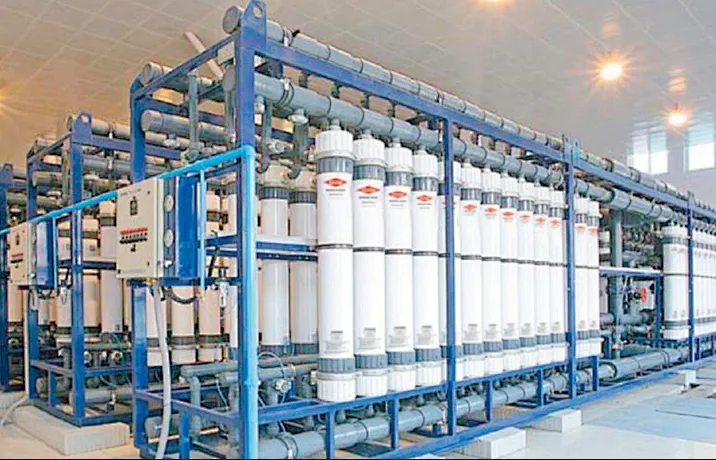
Selecting the right brine concentrator requires a deep understanding of how three critical factors—capacity, energy consumption, and materials durability—interact to determine project success and operational cost. Industrial and municipal operations handling high-salinity wastewater face a complex decision landscape where undersized systems bottleneck production while oversized equipment wastes capital and energy. This guide walks you through the key drivers behind each selection factor, helping you align equipment choice with your facility's actual operational demands and financial constraints.
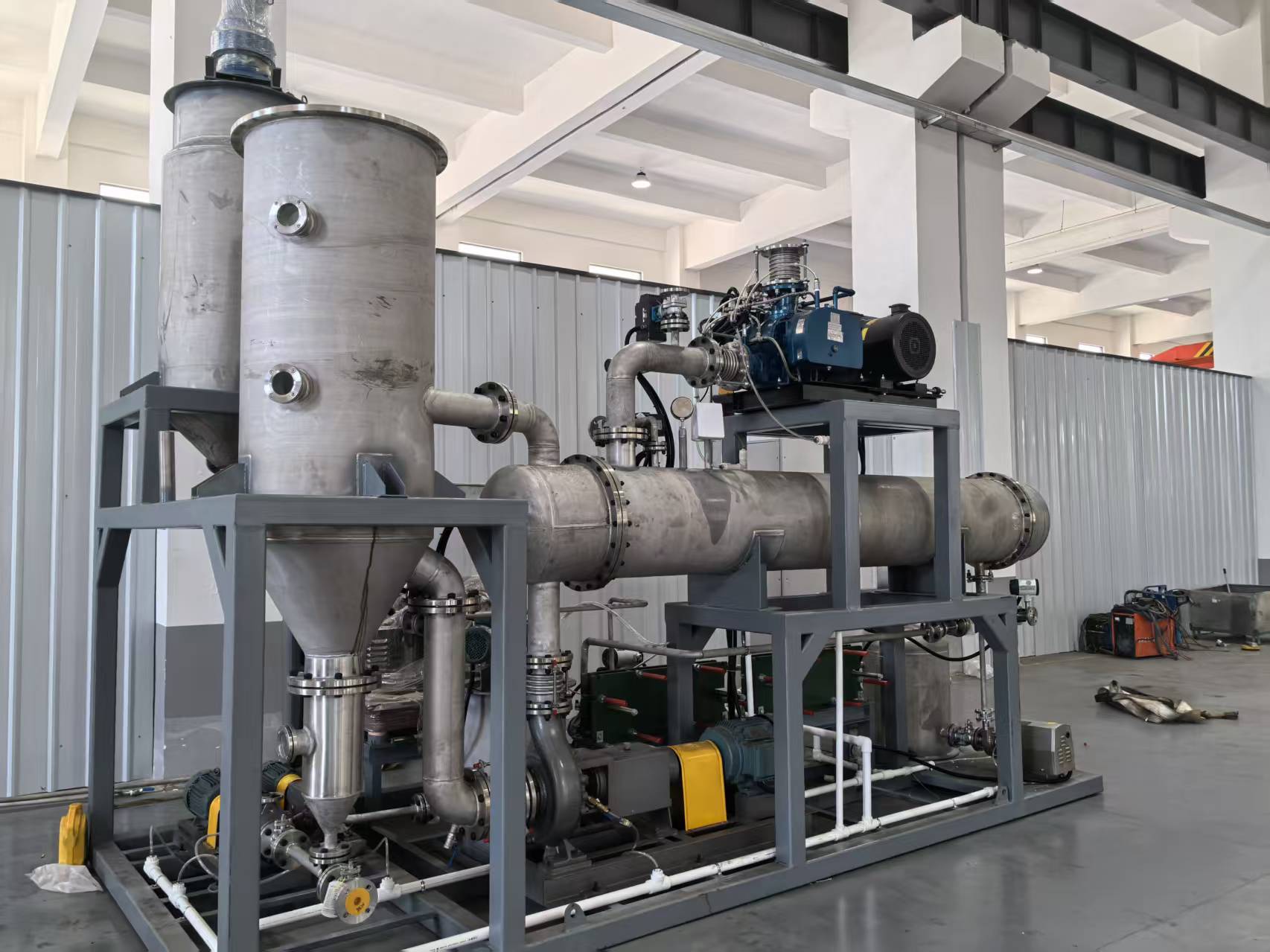
The capacity of a brine concentrator directly reflects how much salt-laden wastewater the system can process per unit of time, typically measured in gallons per hour or cubic meters per day. However, capacity alone does not guarantee operational efficiency. Energy consumption—the most significant recurring operational cost—varies dramatically based on the brine concentrator's design, the concentration levels achieved, and the feedwater salinity profile. Material selection determines how long the equipment withstands corrosive brine environments without degradation, affecting both maintenance frequency and total cost of ownership over the asset's lifetime.
Understanding Capacity Requirements and Throughput Demands
Capacity is the foundational metric for any brine concentrator selection process. Your facility's average daily wastewater volume, peak hourly flow rates, and seasonal variations all drive the minimum capacity specification. If your operation generates 500 gallons per hour of brine feedstock on average but experiences 750 gallons per hour during peak production cycles, undersizing capacity forces either batch processing inefficiencies or backlog accumulation. Oversizing capacity beyond your peak demand wastes both capital expenditure and operational energy, since larger systems consume more power even when operating below their maximum throughput.
The brine concentrator's capacity is influenced by the salt concentration of incoming feedwater. Lower-salinity brines require less aggressive evaporation, allowing faster throughput. High-salinity feeds demand more intensive processing, which can reduce the mass throughput the equipment handles per hour despite nominal volume rating. Additionally, concentrate-to-landfill disposal regulations vary by region, meaning the concentration level your system must achieve affects how much volume it processes before brine becomes disposal-ready. Understanding these operational constraints prevents costly oversizing and ensures your equipment meets actual process demands without unnecessary capital investment or energy waste.
Peak Load versus Average Load Optimization
Most facilities operate at varying flow rates throughout the day or season. Selecting a brine concentrator sized for average throughput rather than peak load can create operational bottlenecks when demand spikes. However, many operations benefit from hybrid approaches: a brine concentrator dimensioned for 70–80% of peak load, combined with temporary surge storage or sequential batch processing, balances capital efficiency with throughput reliability. This strategy reduces equipment oversizing while maintaining operational flexibility, especially in facilities where peak periods are brief or infrequent.
Energy Consumption: The Critical Operating Cost Driver
Energy represents the dominant recurring operational expense for any brine concentrator system. Evaporative technologies—whether mechanical vapor recompression, thermal evaporation, or reverse osmosis—all consume significant electricity or thermal input to remove water from salt-rich solutions. A brine concentrator consuming 8 kilowatt-hours per 1,000 gallons processed costs substantially more to operate over a ten-year horizon than a unit consuming 5 kilowatt-hours per 1,000 gallons, even if the latter system carries a higher capital price tag.
Energy efficiency in brine concentrators depends on multiple design factors: heat recovery integration, vapor compression technology, membrane efficiency, and pre-treatment effectiveness. Mechanical vapor recompression (MVR) systems recover and recycle latent heat from evaporated vapor, reducing fresh energy input significantly compared to single-pass thermal evaporators. Multi-effect evaporators cascade heat between stages, lowering per-gallon energy demand. Understanding these technology distinctions helps you calculate the true cost of ownership rather than focusing only on equipment purchase price. Many operators find that investing in higher-efficiency brine concentrator designs recovers its premium cost within three to five years through energy savings alone.
Calculating Total Cost of Ownership with Energy Benchmarks
To make informed energy decisions, obtain specific energy consumption data from equipment vendors and cross-reference industry benchmarks. A brine concentrator handling 500 gallons per hour for 20 operating hours daily across 250 working days generates 2.5 million gallons annually. If your unit consumes 6 kilowatt-hours per 1,000 gallons, annual electrical demand reaches 15,000 kilowatt-hours. At $0.12 per kilowatt-hour, annual energy cost is $1,800. Over ten years at modest 3% annual electricity price escalation, cumulative energy cost approaches $20,000—a substantial figure that justifies investing in higher-efficiency brine concentrator technology. This calculation frame ensures energy efficiency guides your equipment selection rather than capital price alone.
Materials Selection: Corrosion Resistance and System Longevity
The materials of construction in a brine concentrator determine how effectively the system resists corrosive attack from concentrated salt solutions, chloride ions, and other aggressive chemical species present in high-salinity wastewater. Carbon steel equipment fails rapidly in brine environments, typically within months, requiring costly replacement and operational downtime. Stainless steel grades—particularly 316L and duplex stainless steels—provide superior corrosion resistance but carry higher equipment costs. Specialized coatings, titanium heat exchangers, or polypropylene components offer alternative solutions depending on wastewater chemistry and budget constraints.
Material selection is not a one-size-fits-all decision. Your feedwater chemistry determines which materials offer adequate protection. Chloride-heavy industrial brines demand different material strategies than municipal wastewater concentrates with lower chloride levels but higher organic contamination. High-temperature evaporation processes stress materials differently than ambient-temperature processes. Consulting your wastewater composition analysis and the brine concentrator manufacturer's corrosion resistance recommendations ensures material selection prevents premature failure, unplanned downtime, and catastrophic equipment replacement during system operation.
Maintenance Impact and Long-Term Durability Trade-offs
Higher-grade materials reduce corrosion maintenance frequency and extend brine concentrator operational life significantly. Equipment fabricated from duplex stainless steel or specialty alloys typically operates seven to ten years in corrosive brine service without major refurbishment. Carbon steel or lower-grade materials often require replacement within two to three years. While premium materials increase upfront capital cost by 15–30%, the extended service life, reduced maintenance labor, and elimination of premature replacement cycles deliver substantial economic advantage over the asset lifecycle. Facility planners must balance initial materials cost against long-term maintenance burden and operational reliability risk when specifying brine concentrator construction.
Integrating Capacity, Energy, and Materials Into a Cohesive Selection Strategy
Effective brine concentrator selection requires simultaneous evaluation of all three factors rather than optimizing each independently. A highly energy-efficient system built from materials inadequate for your wastewater chemistry fails operationally despite low energy costs. A durable, corrosion-resistant brine concentrator oversized for your capacity demand wastes capital and energy inefficiently. The ideal specification balances realistic capacity demands, energy efficiency appropriate to your operating profile and electricity costs, and material durability matched to your wastewater chemistry and maintenance tolerance.
Begin by quantifying your exact capacity needs through careful flow rate analysis and concentration target assessment. Next, model energy costs using vendor-provided consumption metrics and your facility's electricity pricing. Finally, specify materials based on wastewater chemistry analysis and your acceptable maintenance intensity level. This structured approach prevents reactive problem-solving and ensures your brine concentrator investment delivers reliable, cost-effective operation aligned with your facility's actual operational constraints and financial parameters.
FAQ
What is the typical capacity range for industrial brine concentrators?
Industrial brine concentrators range from 50 gallons per hour for small facilities to 5,000+ gallons per hour for large municipal or refinery operations. Capacity selection depends on your facility's wastewater generation rate, peak demand periods, and concentrate disposal requirements. Mid-sized operations typically operate equipment in the 500–1,500 gallons per hour range, balancing throughput efficiency with operational flexibility and capital cost constraints.
How much energy does a typical brine concentrator consume?
Energy consumption varies by technology type. Mechanical vapor recompression brine concentrators typically consume 4–7 kilowatt-hours per 1,000 gallons processed. Multi-effect thermal evaporators consume 8–15 kilowatt-hours per 1,000 gallons plus thermal energy input. Reverse osmosis-based systems consume 2–4 kilowatt-hours per 1,000 gallons for pumping but require pre-treatment. Requesting specific energy data from vendors and calculating total annual electricity cost ensures energy efficiency guides your equipment decision appropriately.
Which materials offer the best corrosion resistance for brine concentrators?
Duplex stainless steel and 316L stainless steel provide excellent chloride corrosion resistance for most industrial brine applications. Specialized alloys like 6Mo or titanium components enhance protection in extremely aggressive environments. Material selection depends on your wastewater's specific chemical composition, particularly chloride concentration and temperature. Consulting your wastewater analysis and the manufacturer's material recommendations ensures your brine concentrator withstands your facility's corrosive conditions without premature failure or excessive maintenance.

 EN